Flowers
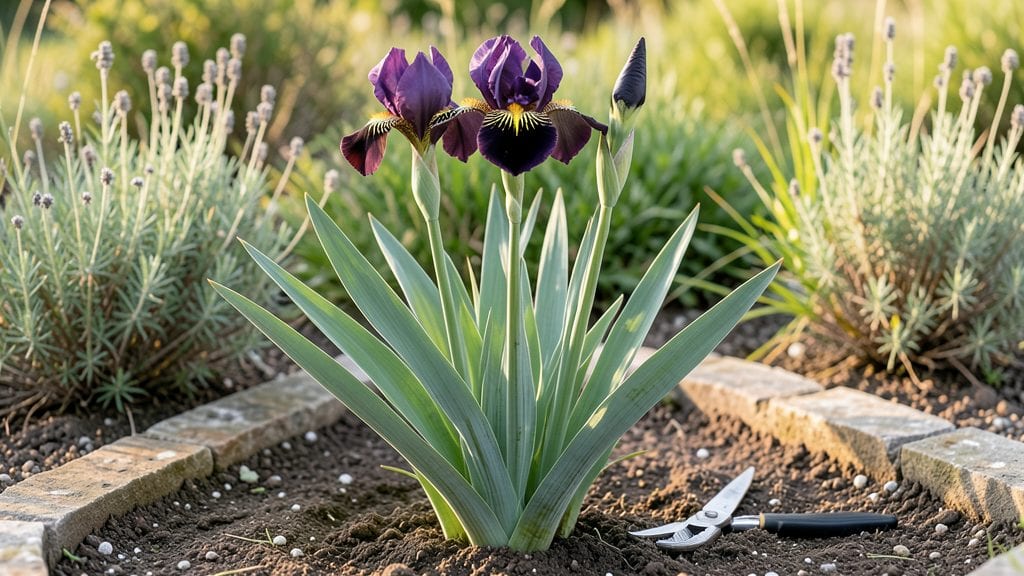
The zebra iris plants with their wild, striped blooms are the kind of garden statement that makes neighbors stop and ask questions. 🌿 I fell in love with them the first time I saw those bold purple-and-white stripes—it’s like nature’s own abstract art.
These irises aren’t just pretty; they’re tough as nails, thriving in full sun and even handling drought once established.
Here’s the secret to their success: plant them in well-draining soil with 3-4 inches of compost mixed in, and give them 6+ hours of sunlight daily. They hate soggy roots, so raised beds or slopes work best in heavy clay.
Spacing matters too—12-18 inches apart keeps them from crowding, and planting the rhizomes just below soil level ensures strong growth.
Once settled, they’re low-maintenance stars. Water deeply once a week during dry spells, but cut back in winter. Fertilize lightly in spring with balanced 10-10-10, and deadhead spent blooms to encourage more flowers.
By their second year, you’ll have clumps so lush they’ll outshine any other perennial in your garden.
They multiply easily too—just dig up and divide clumps every 3-4 years to keep them vigorous. And if pests like iris borers show up, a quick spray of neem oil keeps them at bay. These plants reward patience with years of drama-free blooms—exactly what every gardener wants.
📚 In This Guide
- What you need
- Instructions
- Tips and common mistakes
- Wrapping up and next steps
What you need
- ● Zebra iris rhizomes: 3–5 healthy, firm rhizomes (choose ones with visible eye buds for sprouting).
- ● Well-draining potting mix or garden soil: A blend of 50% garden soil and 50% perlite or coarse sand (for containers). For in-ground planting, amend clay soil with compost or peat moss.
- ○ Organic fertilizer: A balanced 10-10-10 or 5-10-10 granular fertilizer (1–2 tbsp per plant). Optional: Slow-release fertilizer for convenience.
- ● Mulch: 2–3 inches of organic mulch (straw, wood chips, or shredded bark) to retain moisture and suppress weeds.
- ● Garden trowel or shovel: For planting rhizomes (6–8 inches deep).
- ● Pruners or sharp scissors: To trim dead foliage or divide rhizomes.
- ● Watering can or hose with a gentle spray nozzle: Zebra irises hate soggy roots—avoid overhead watering.
- ○ Gloves (optional): Rhizomes can be sharp or prickly!
- ● Container (if not planting in-ground): A wide, shallow pot (at least 12 inches in diameter) with drainage holes.
- ● Sunlight: Full sun (6+ hours daily)—zebra irises thrive in bright, open spaces.
- ● Drainage: No standing water! Ensure your planting site or container has excellent drainage.
- ● Patience: Rhizomes may take 2–3 weeks to sprout and 1–2 years to reach full bloom.
- ● Local climate knowledge: Zebra irises are hardy in USDA zones 3–9—check frost dates in your area for best planting times.
Instructions for planting and caring for zebra iris
Here’s how to get those striking striped blooms thriving in your garden with minimal fuss.
🌱 Step 1: Choose the Right Location and Prepare the Soil
Zebra iris loves full sun—pick a spot with at least 6 hours of direct sunlight daily. They tolerate partial shade but may bloom less dramatically. Dig a hole twice as wide as the root ball but no deeper, since iris roots prefer to sit just below the soil surface.
Work in 2-3 inches of compost into the native soil to improve drainage. Zebra iris hates soggy roots, so if your soil drains poorly, mix in 1 part perlite or coarse sand for every 3 parts soil. The goal is loose, well-draining earth that mimics their natural habitat.
🪴 Step 2: Plant the Rhizomes Correctly
Remove the iris rhizome from its pot and gently separate the roots if they’re crowded. Place the rhizome in the hole with the fanned roots spread out—never bury them deeply. The top of the rhizome should sit just above the soil line, exposed to sunlight. This prevents rot and encourages strong growth.
Backfill with soil, leaving a 1-inch gap around the rhizome for airflow. Press lightly but don’t compact. Water deeply right after planting to settle the soil, but avoid soaking the rhizome itself. You’ll know it’s settled when the soil looks firm but still crumbly.
☀️ Step 3: Water and Mulch for First-Year Success
Keep the soil evenly moist but not soggy for the first 4-6 weeks after planting. Water deeply 2-3 times per week until new growth appears. You’ll see sword-like leaves emerge first—these signal the plant is establishing roots. Once established, iris is drought-tolerant, but young plants need consistent moisture.
Apply a 2-inch layer of mulch around the base, keeping it 6 inches away from the rhizome. Use bark chips or straw—avoid organic mulch like wood chips, which can smother the rhizome. Mulch helps retain moisture and suppresses weeds, but never pile it against the exposed rhizome.
✂️ Step 4: Maintain Through the Growing Season
Fertilize lightly in early spring with a balanced, slow-release fertilizer (10-10-10). Scatter granules around the base but keep them 4 inches away from the rhizome to avoid burning. Zebra iris doesn’t need much food—over-fertilizing leads to lush foliage but fewer blooms.
Deadhead spent blooms by snipping the stalk 2 inches above the base. This redirects energy to next year’s flowers. In late summer, reduce watering to once every 2 weeks to prepare the plant for dormancy. You’ll know it’s ready when the leaves start yellowing naturally.
🌿 Step 5: Divide and Renew Every 3-4 Years
When clumps grow crowded, dig up the rhizomes in early spring or fall. Gently separate the sections, ensuring each has 3-5 fans of leaves. Replant immediately, following the same shallow-planting method. This rejuvenates the plant and prevents overcrowding, which reduces bloom quality.
Discard any rhizomes that look mushy or shriveled—they won’t recover. Healthy rhizomes should feel firm and slightly leathery. After dividing, water deeply and resume regular care. You’ll see stronger, more vibrant blooms within a season.
Tips & tricks for perfect zebra iris planting
Real talk: The secret to those show-stopping zebra iris blooms isn't just following the steps—it's the little details that make all the difference. Here's what nobody tells you about growing these striking plants.
Sunlight Secret: While 6 hours of sun is the minimum, I've found that iris thrives with full sun exposure (8+ hours daily) for the boldest stripes. If your garden gets afternoon shade, position the rhizomes to catch morning sun instead—those afternoon rays can scorch the leaves. Trust me on this: the more sun, the more dramatic those striped blooms will be.
Soil Texture Matters: The instructions mention improving drainage, but here's the thing: Zebra iris actually prefers soil that's slightly gritty rather than just well-draining. Mix in 1 part coarse sand or perlite for every 2 parts soil (instead of 3:1) if your native soil is heavy clay. This mimics their natural habitat of sandy riverbanks and prevents that dreaded rhizome rot.
Watering Wisdom: Those first 4-6 weeks are critical, but I learned this the hard way: overwatering is just as bad as underwatering. Test your soil moisture by sticking your finger 2 inches down—if it's dry, water. If it's damp, wait. The rhizome should feel like a firm potato, not a soggy sponge. Once established, these plants are surprisingly drought-tolerant, but young rhizomes need consistent moisture to root properly.
Mulch Placement: The instructions say to keep mulch 6 inches away from the rhizome, but here's my pro tip: create a donut-shaped mulch ring around the base, leaving the rhizome completely exposed. This prevents moisture from pooling against the rhizome while still protecting the roots. I use straw mulch because it breaks down slowly and adds organic matter without smothering the plant.
Pro Tips for Zebra Iris Plants
- Real talk: The secret to those show-stopping zebra iris blooms isn't just following the steps—it's the little details...
- Sunlight Secret: While 6 hours of sun is the minimum, I've found that iris thrives with full sun exposure (8+ hours d...
- Soil Texture Matters: The instructions mention improving drainage, but here's the thing: Zebra iris actually prefers ...
Frequently asked questions
Got questions about growing zebra iris plants? You’re not alone—these striking beauties can be a little tricky! Here are answers to the most common queries to help you cultivate thriving blooms with confidence.
How do I encourage my zebra iris to bloom more?
Zebra iris thrives with full sun (6+ hours daily) and well-draining soil. After blooming, trim spent stalks but leave the foliage—it feeds the rhizomes for next year’s flowers. Pro tip: Divide clumps every 3–4 years to rejuvenate growth and boost blooms!
When is the best time to plant or divide zebra iris?
Plant or divide in early spring or fall (4–6 weeks before frost). Avoid summer heat, which stresses rhizomes. Choose a spot with loamy, slightly sandy soil—amend heavy clay with compost or grit to prevent rot.
Why aren’t my zebra iris leaves turning green?
Yellowing or pale leaves often signal overwatering or poor drainage. Ensure rhizomes sit above soil (never buried) and water only when the top inch of soil is dry. Watch for: brown tips (underwatering) vs. mushy stems (rot).
Can zebra iris grow in containers?
Yes! Use a wide, shallow pot with drainage holes and a mix of potting soil + perlite. Place in full sun and water sparingly—containers dry out faster. Repot every 2–3 years to refresh nutrients. Note: They’re slower to establish in pots but still stunning!
Are zebra iris deer- or pest-resistant?
Generally deer-resistant, but rabbits and iris borers may target them. Prevent pests: Space plants for airflow, remove debris, and apply neem oil if borers appear. Deer might nibble if other food is scarce—try repellents or fencing.
Wrapping up and next steps
Zebra iris plants bring striking beauty and effortless charm to any garden, with their bold striped blooms and hardy nature. Whether you're a seasoned gardener or a beginner, their low-maintenance care and long-lasting blooms make them a fantastic addition to your outdoor space.
Ready to transform your garden? Start by selecting the perfect spot, gathering your supplies, and planting with confidence—your zebra iris paradise awaits! 🌸🌿
- Next step: Pick your favorite variety and get planting—your garden will thank you!