Size
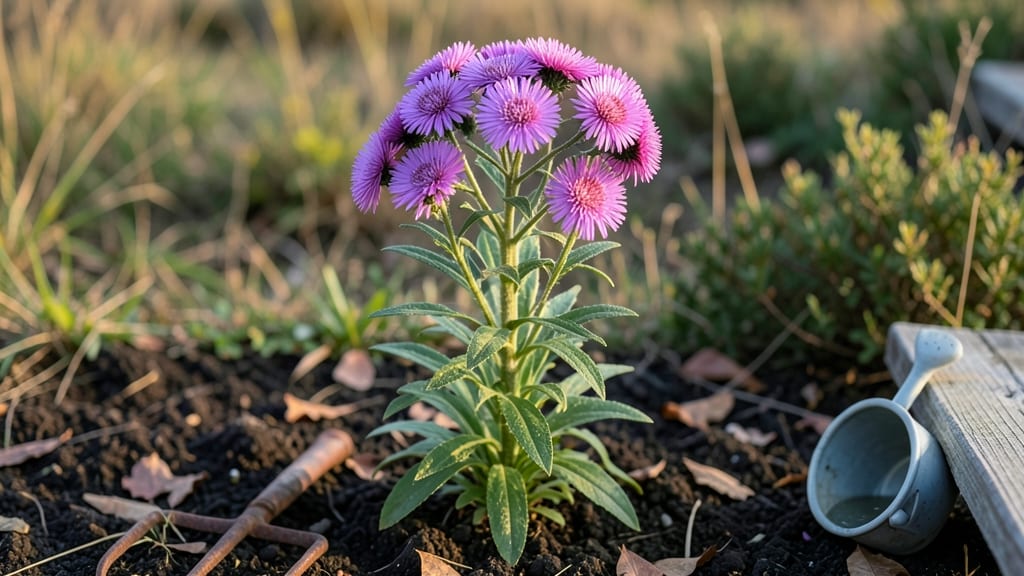
Growing tall aster plants means adding shockingly lush purple-pink blooms that dance in late summer breezes. 🌻 I learned the hard way that these sun-loving perennials need more than just good intentions—they demand the right spot, soil, and a little seasonal TLC to reach their full 3-6 foot glory.
The payoff? Months of bold color when most gardens are fading into fall.
Start with well-draining soil rich in organic matter and full sun—at least 6 hours daily. Varieties like 'New England Aster' and 'Frikart’s Aster' thrive in zones 3-8, but even beginners can nail this with basic prep: amend clay soil with compost and avoid soggy roots.
Plant in early spring or fall, spacing them 18-24 inches apart for that signature airy, wildflower look.
Water deeply once a week (more in drought), then let the soil dry slightly between waterings. The real secret? Deadheading spent blooms keeps flowers coming until frost, and a late-winter pruning removes old growth for next year’s show.
These plants reward patience with stems sturdy enough to support their own weight—no staking needed.
Bonus: Deer usually skip them, and they attract butterflies like magnets. Perfect for borders, cutting gardens, or naturalizing in meadow-style plantings. Let’s get those tall asters thriving in your garden!
📚 In This Guide
- What you need
- Instructions
- Tips and common mistakes
- Wrapping up and next steps
What you need
- ● Tall aster plants: 3–5 nursery-grown plants (choose varieties like Symphyotrichum novae-angliae or S. uplandicum for height and color).
- ● Well-draining potting mix: 10–15 gallons (for container gardening) or amend garden soil with compost (5–10 lbs per 10 sq. ft.).
- ● Slow-release fertilizer: 1 lb of 10-10-10 or organic granular fertilizer (like 5-5-5).
- ● Mulch: 2–3 inches of shredded bark or straw to retain moisture and suppress weeds.
- ● Watering can or hose with a gentle spray nozzle (for even hydration).
- ● Garden trowel or transplanting spade (for digging holes).
- ● Gloves (to protect hands from thorns or soil).
- ● Pruning shears (for deadheading and shaping).
- ● Measuring tape or ruler (to space plants 12–24 inches apart).
- ○ Container (optional): 5–7 gallon pots with drainage holes (for patio or balcony growing).
- ● Sunlight: A full-sun location (6+ hours of direct sunlight daily).
- ● Hardiness zone: USDA zones 3–9 (check your local climate!).
- ● Drainage: Avoid soggy soil—aster roots hate waterlogging!
Step-by-Step instructions for growing tall asters
Here’s how to cultivate these striking perennials with vibrant blooms that thrive in full sun.
🌱 Step 1: Choose the Right Location and Prepare the Soil
Tall asters demand full sun—at least 6-8 hours daily—for their dramatic blooms. I always pick the sunniest spot in my garden, even if it means sacrificing a less vibrant neighbor. These plants tolerate a range of soil types but perform best in well-draining, slightly acidic to neutral soil (pH 6.0-7.0).
Before planting, loosen the soil to a depth of 12 inches with a garden fork or tiller. Amend heavy clay with 2-3 inches of compost to improve drainage and fertility. If your soil is sandy, mix in 1 inch of organic matter like leaf mold or well-rotted manure. The goal is a crumbly, aerated bed that holds moisture without becoming waterlogged.
🌿 Step 2: Plant Bare-Root or Container-Grown Asters
For bare-root plants, soak the roots in lukewarm water for 1-2 hours before planting to rehydrate them. Dig a hole twice as wide as the root ball but only as deep—planting too deep suffocates the crown. Gently spread the roots outward and position the plant so the top of the root ball sits just below soil level. Fill the hole with soil, pressing lightly to eliminate air pockets.
If using container-grown asters, remove the plant from its pot and tease the roots at the edges to encourage outward growth. Place it in the hole at the same depth it was growing in the container. Water deeply right after planting to settle the soil and remove any air gaps. Space plants 18-24 inches apart to allow for mature growth and airflow, which prevents fungal diseases.
💧 Step 3: Water Consistently and Mulch for Retention
Keep the soil evenly moist but not soggy during the first 4-6 weeks to establish roots. Water deeply 1-2 times per week, depending on rainfall, until the top 2 inches of soil feel dry. Once established, tall asters are drought-tolerant but will produce fewer blooms if stressed. I like to water in the early morning to reduce evaporation and fungal risks.
Apply a 2-3 inch layer of mulch (like shredded bark or straw) around each plant, keeping it 2 inches away from the stem to prevent rot. Mulch conserves moisture, regulates soil temperature, and suppresses weeds. Refresh the mulch layer annually or as it breaks down. Avoid over-mulching, which can smother the crown and invite pests.
☀️ Step 4: Fertilize and Prune for Stronger Blooms
Feed tall asters in early spring with a balanced, slow-release fertilizer (10-10-10) at half the recommended rate. Avoid high-nitrogen fertilizers, which promote leafy growth at the expense of flowers. I also side-dress with 1-2 inches of compost in late spring to provide a steady nutrient supply. Stop fertilizing by mid-summer to encourage blooming instead of new foliage.
Deadhead spent blooms regularly to prolong the flowering season and prevent self-seeding if you don’t want volunteers popping up elsewhere. Cut back one-third of the plant in early fall to promote bushier growth the following year. In USDA Zones 3-8, tall asters are hardy perennials, so they’ll return year after year with minimal care—just a little cleanup in late winter to remove old foliage.
⏰ Step 5: Divide and Maintain for Long-Term Health
Every 3-4 years, divide clumps in early spring to rejuvenate plants and prevent overcrowding. Dig up the plant, separate the roots into 3-4 inch sections, and replant each division immediately. This also gives you extra plants to share or expand your garden. Tall asters are low-maintenance but appreciate a light pruning in late fall to tidy up the foliage before winter.
Watch for aster yellows disease (transmitted by leafhoppers) or powdery mildew in humid climates. Improve airflow by spacing plants properly and avoid overhead watering. If pests appear, treat with neem oil or insecticidal soap as needed. With the right care, your tall asters will reward you with months of bold, late-season color—a true garden showstopper.
Tips & tricks for growing tall asters like a pro
Between us, these sun-loving perennials reward patience with months of dramatic blooms—but only if you nail a few key details.
Sunlight is Non-Negotiable: That 6-8 hours of daily sun isn't just a suggestion—it's the difference between vibrant blooms and leggy, weak stems. I've seen asters in partial shade produce flowers, but they're pale and sparse. Mark your sunniest spot with stakes before planting to avoid compromises. If your garden has limited sun, choose a location where the afternoon sun hits strongest, as this is when asters perform best.
Soil Prep Makes All the Difference: The 12-inch deep soil loosening in Step 1 isn't just about aeration—it creates the perfect environment for those deep roots to establish. For heavy clay soils, I swear by mixing in that 2-3 inches of compost right before planting. The goal is to create a sponge-like texture that holds moisture but drains freely. If your soil is sandy, don't skimp on the 1 inch of organic matter—it's what keeps nutrients from washing away during those critical first 4-6 weeks.
Root Care During Planting: That 1-2 hour soak for bare-root plants isn't just about hydration—it's about reviving roots that may have dried out during shipping. I've learned the hard way that planting without this step often leads to poor establishment. When positioning your plant, remember that the top of the root ball should sit just below soil level. Planting too deep suffocates the crown, while planting too shallow exposes roots to temperature swings. A good rule of thumb is to make sure the soil line on the root ball aligns with your garden soil level.
Watering Strategy for First 6 Weeks: The 1-2 times per week watering guideline assumes average rainfall. In my experience, it's better to check soil moisture than follow a schedule. Stick your finger 2 inches deep—if it feels dry, water deeply until moisture reaches 6 inches down. Early morning watering isn't just about reducing evaporation; it gives foliage time to dry before nightfall, which dramatically reduces fungal risks. I've seen powdery mildew appear within days when plants stay wet overnight.
Pro Tips for Tall Aster Plant
- Between us, these sun-loving perennials reward patience with months of dramatic blooms—but only if you nail a few key...
- Sunlight is Non-Negotiable: That 6-8 hours of daily sun isn't just a suggestion—it's the difference between vibrant b...
- Soil Prep Makes All the Difference: The 12-inch deep soil loosening in Step 1 isn't just about aeration—it creates th...
Frequently asked questions
Got questions about growing tall aster plants? You’re not alone!
Here are some of the most common queries—plus quick, practical answers to help you nurture these sun-loving perennials with confidence.
How tall do tall aster plants actually grow?
Tall aster plants typically reach 3 to 6 feet in height, depending on the variety. Some cultivars, like Symphyotrichum novae-angliae, can even hit 6+ feet! Give them plenty of space (at least 18–24 inches apart) to avoid overcrowding and support their striking vertical presence.
When is the best time to plant tall asters?
Plant tall asters in early spring or early fall for optimal root establishment. Avoid late summer heat, which can stress young plants. If starting from seeds, sow them indoors 6–8 weeks before the last frost, or directly outdoors after the soil warms to 50°F (10°C).
How often should I water tall aster plants?
Water deeply 1–2 times per week during the first growing season to encourage strong roots. Once established, tall asters are drought-tolerant but appreciate consistent moisture (about 1 inch per week). Pro tip: Mulch around the base to retain soil moisture and reduce weeds!
What pests or diseases commonly affect tall asters?
Watch for aphids, spider mites, and powdery mildew, especially in humid conditions. Remove affected leaves promptly and spray with neem oil if needed. For powdery mildew prevention, ensure good air circulation and avoid overhead watering. Most issues are manageable with proper care!
Can tall asters grow in containers?
While possible, tall asters thrive best in garden beds due to their size. If container-growing, choose a large pot (at least 12–15 inches deep) with well-draining soil and stake the plant for support. Place in full sun and water consistently—just expect slightly shorter blooms than in-ground plants.
Wrapping up and next steps
Growing a tall aster plant is a rewarding way to add vibrant color and texture to your garden, especially if you love sun-drenched perennials that thrive with minimal fuss. 🌻 With the right soil, sunlight, and care, these bold bloomers will flourish year after year, turning your outdoor space into a stunning showstopper.
Whether you're a seasoned gardener or just starting out, their resilience and beauty make them a perfect choice!
Ready to dive in? Start by selecting the perfect spot—one with full sun and well-draining soil—and follow the steps above to give your tall aster plant the best possible start. Happy gardening! 🌱