Transplanting
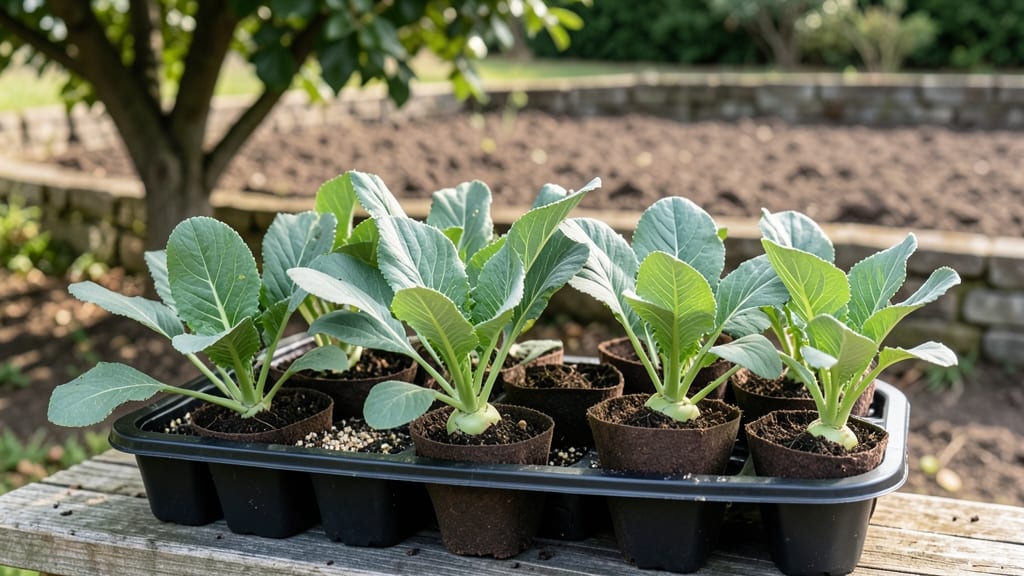
Planting kohlrabi seedlings marks the start of a harvest that tastes like a cross between broccoli and a crisp apple—sweet, tender, and packed with crunch. 🌱 I’ve learned the hard way that rushing this step leads to leggy plants or ones that bolt before you get a bite-sized reward, but doing it right means you’ll be pulling those bulbous stems in just 6-8 weeks.
The secret isn’t complicated: rich, well-draining soil amended with compost, spacing them 12-18 inches apart in rows 2 feet apart, and planting just deep enough so the first true leaves peek above the soil line.
Too deep, and they’ll struggle; too shallow, and they’ll flop. Water gently after planting—no soaking—and keep the soil moist but not soggy for the first week.
Once settled, these seedlings thrive in full sun to partial shade, though they’ll appreciate afternoon shade in hot climates. The first few leaves will look delicate, but within 10-14 days, you’ll see sturdy growth—proof you’ve dodged transplant shock.
That’s when the real fun begins: watching those bulbs swell and knowing you’re just weeks away from harvest.
Fair warning: kohlrabi hates competition, so mulch around them to keep weeds at bay. And if your seedlings look wilted after planting, don’t panic—just water deeply and give them a day to recover. The payoff? A garden full of plants that taste like summer in every bite.
📚 In This Guide
- What you need
- Instructions
- Tips and common mistakes
- Wrapping up and next steps
What you need
- ● Healthy kohlrabi seedlings: 6–12 plants (depending on space; aim for 12–18 inches apart at maturity).
- ● Garden soil: Well-draining, loose, and enriched with compost (pH 6.0–7.0).
- ● Transplanting tool: A small hand trowel or garden fork for gentle soil disturbance.
- ● Watering can or hose: With a gentle spray nozzle (avoid blasting seedlings!).
- ● Organic mulch: Straw or shredded leaves (1–2 inches thick) to retain moisture.
- ○ Fertilizer (optional but helpful): Balanced organic fertilizer (e.g., 5-5-5) or compost tea for a nutrient boost.
- ● Row marker or stakes: To label planting spots and track growth.
- ● Shade cloth: For the first 2–3 days if transplanting in hot weather.
- ● Planting gloves: To protect hands from soil and thorny stems.
- ● Epsom salt (magnesium sulfate): A pinch in the planting hole for extra vigor.
Step-by-step instructions for planting kohlrabi seedlings
Here’s how I get seedlings thriving in the garden—no guesswork, just strong, productive plants.
🌱 Step 1: Choose the Perfect Spot for Your Kohlrabi
Kohlrabi loves full sun—at least 6 hours daily—and well-draining soil. I pick a location with afternoon shade if your summers run hot, since kohlrabi bulbs can turn tough and woody in extreme heat. Test the soil first: it should feel slightly moist but not soggy when squeezed. If your soil is heavy clay, mix in a 1-inch layer of compost to improve drainage.
Kohlrabi also needs space—12-18 inches apart in rows 2 feet apart—so they don’t crowd and develop those knobby bulbs properly. I sketch a quick grid with sticks and twine to mark the spots before digging. This ensures even spacing and keeps me from accidentally planting too close.
🪴 Step 2: Prepare the Soil and Plant with Care
Loosen the soil to a depth of 12 inches with a garden fork or tiller. Break up any clumps so roots can spread easily. If your soil is sandy, add a handful of compost to each planting hole to retain moisture. Kohlrabi seedlings are delicate, so handle them gently when transplanting—grasp the leaves, not the stem, to avoid damage.
Dig a hole just deep enough to bury the seedling up to its first true leaves. Press the soil lightly around the base to remove air pockets, then water deeply to settle everything. I like to use a 1-gallon watering can for each seedling to ensure the roots get a good drink without disturbing the soil surface.
☀️ Step 3: Water and Mulch for Consistent Growth
Water immediately after planting, then keep the soil evenly moist—never soggy. Kohlrabi bulbs swell when moisture is steady, so aim for 1 inch of water per week, either from rain or your hose. I check soil moisture by sticking my finger 1 inch deep; if it feels dry, it’s time to water. Mulch with 2-3 inches of straw or shredded leaves to lock in moisture and keep weeds down.
Here’s the thing—kohlrabi hates competition. Weeds steal nutrients and moisture, so pull any that pop up within 3-5 days of planting. A quick check every few days keeps your plants focused on growing those sweet, crunchy bulbs instead of fighting for resources.
✂️ Step 4: Monitor and Harvest at Peak Time
Watch for first true leaves to appear, then keep an eye on bulb size. Kohlrabi bulbs are ready to harvest when they’re 2-3 inches in diameter—they get tough and woody if left too long. I harvest in the morning when temps are cool, using a sharp knife to cut the bulb cleanly from the stem. Leave the leaves on the plant; they’ll keep producing for a few more weeks.
If you miss the window, don’t worry—you can still eat the leaves like greens, though the bulb won’t be as sweet. I’ve found that harvesting early gives the best flavor, so I set a reminder 4-6 weeks after transplanting to check the bulbs. They grow fast, so timing is everything!
Tips & tricks for planting kohlrabi seedlings
Here's what I've learned after planting kohlrabi for years—these tricks make all the difference between mediocre and outstanding harvests.
Soil Prep Secret: Before planting, I always mix a handful of well-rotted compost directly into each planting hole, especially if your soil is sandy. This extra boost gives seedlings a nutrient head start. Don't skip this step—kohlrabi bulbs need consistent feeding to stay sweet and tender. I've found that seedlings in enriched soil reach the 2-3 inch harvest size about 10 days faster than in regular garden soil.
Planting Depth Trick: When burying seedlings up to their first true leaves in Step 2, make sure the soil is pressed firmly around the base to eliminate air pockets. I use my thumb to gently press while holding the seedling steady—this creates better root-to-soil contact. If you plant too shallow, seedlings can dry out quickly in the 6 hours of daily sun kohlrabi needs.
Watering Wisdom: The 1 inch of water per week guideline works best when watered deeply at the base, not overhead. I use a 1-gallon watering can with a narrow spout to direct water right at the soil surface. Watering in the morning prevents evaporation and gives roots time to absorb moisture before the heat of the day. Watch for wilting leaves—this is your signal to water immediately.
Harvest Timing Tip: Set a reminder for 4-6 weeks after transplanting to check bulb sizes, but don't wait until the last day. I harvest mine when bulbs are 2 inches in diameter—they're sweeter and more tender at this size. Use a sharp knife to cut cleanly, leaving the leaves attached. The leaves will keep producing for another 2-3 weeks, giving you bonus greens even if you miss the bulb harvest window.
Pro Tips for Planting Kohlrabi Seedlings
- Here's what I've learned after planting kohlrabi for years—these tricks make all the difference between mediocre and ...
- Soil Prep Secret: Before planting, I always mix a handful of well-rotted compost directly into each planting hole, es...
- Planting Depth Trick: When burying seedlings up to their first true leaves in Step 2, make sure the soil is pressed f...
Frequently asked questions
about planting kohlrabi seedlings—get quick answers to common concerns before you start!How deep should I plant kohlrabi seedlings?
Plant seedlings no deeper than they were in their seedling tray—typically just below the soil line where the first true leaves emerge. Kohlrabi roots are shallow and sensitive; burying too deep can stunt growth. A gentle press into loose soil ensures stability without stressing the plant.
When is the best time to transplant kohlrabi seedlings outdoors?
Wait until nighttime temperatures stay above 50°F (10°C) and all frost risk has passed. Kohlrabi thrives in cool weather (55–75°F / 13–24°C) but wilts in heat or cold. Early spring or late summer transplants work best—avoid peak summer for optimal bulb development.
Can I plant kohlrabi seedlings in containers or only in the ground?
Yes! Kohlrabi grows well in containers 12+ inches deep with good drainage. Use a high-quality potting mix and space seedlings 6–8 inches apart. Containers warm up faster than soil, so monitor moisture closely—kohlrabi hates drying out. Just ensure pots get 6+ hours of sunlight daily.
What pests should I watch for after transplanting kohlrabi?
Keep an eye out for cabbage worms, flea beetles, and aphids, which love kohlrabi’s tender leaves. Use row covers early on or spray with neem oil if pests appear. Healthy seedlings with rich compost are less appealing to bugs—so prioritize soil prep!
What can I plant alongside kohlrabi to improve growth?
Kohlrabi benefits from companion plants like:
- Dill or celery (repels pests)
- Spinach or lettuce (shares similar growing conditions)
- Avoid planting near tomatoes or strawberries—they compete for nutrients.
Wrapping up and next steps
You’ve got everything you need to plant your hardened-off kohlrabi seedlings like a pro! 🌱 With the right soil, spacing, and care, these little powerhouses will reward you with crisp, delicious harvests in no time. Don’t let hesitation slow you down—your garden (and your taste buds) will thank you.
Ready to take the next step? Grab your gloves, head outdoors, and give those seedlings the perfect home! Happy planting—your future kohlrabi feasts are waiting! 🥬✨