Pruning
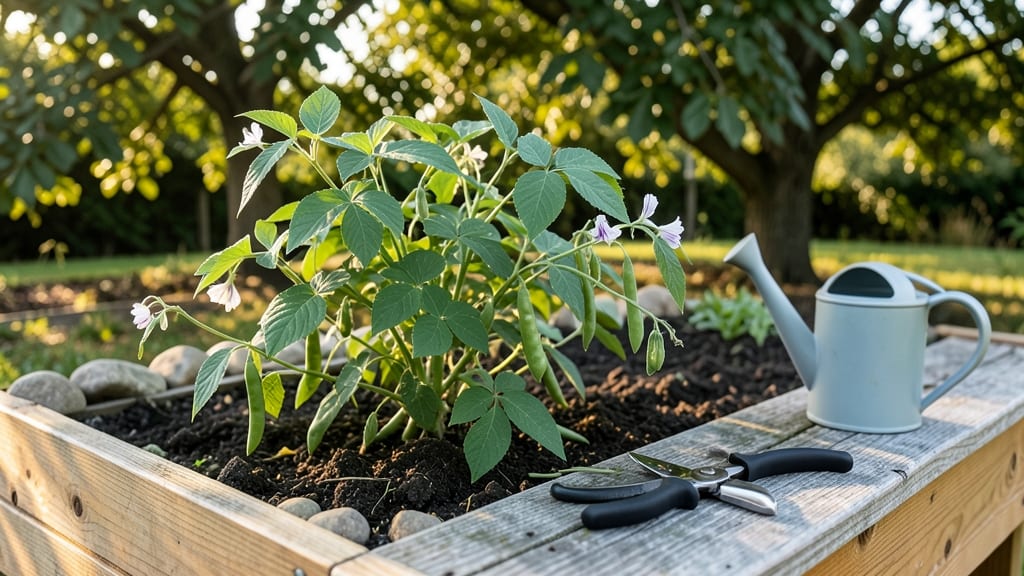
Pruning bean plants might sound like overkill, but those three strategic cuts each season turn a single plant into a nonstop harvest machine. 🌱 I learned the hard way—skipping pruning means fewer beans, more sprawl, and plants that collapse under their own weight by midsummer.
The right cuts keep air flowing, boost sunlight access, and force energy into pods instead of vines.
You’ll need just three tools: sharp pruning shears, gardening gloves, and a small bucket for trimmings. Pole beans get one heavy trim early, then light maintenance every 3-4 weeks, while bush beans only need a single cleanup after their first flush of flowers.
The goal isn’t to hack away—it’s to shape the plant so it focuses on what you actually want: more beans, not more leaves.
By midseason, you’ll notice pods forming closer to the stem, not dangling at the ends of leggy branches. Harvests become consistent, and the plants stay upright even when heavy with beans.
The key is timing: first trim at flowering, second when vines hit 6 feet, and the final cleanup before frost. Every cut after that is just stealing from your future harvest.
Works for both bush and pole varieties, even in containers. The same principles apply whether you’re growing in a backyard plot or a balcony planter. Here’s how to get it right the first time—and why it’s worth the 10 minutes it takes.
📚 In This Guide
- What you need
- Instructions
- Tips and common mistakes
- Wrapping up and next steps
What you need
- ● Pruning shears: Bypass-style (sharp, clean cuts) or felco-style (durable for thick stems). 1 pair (sterilize with rubbing alcohol between plants!).
- ● Gloves: Garden-grade (nitrile-coated for grip) to protect from thorns and dirt. 1 pair.
- ● Disinfectant: 70% isopropyl alcohol or bleach solution (1 part bleach to 9 parts water) for tool sterilization.
- ○ Pruning saw: Optional for woody, mature bean stalks (only if stems exceed ½ inch in diameter).
- ○ Garden twine or clips: Optional for supporting trimmed plants (e.g., soft plant ties or twist ties).
- ● Healthy plants: Wait until beans are at least 6–8 inches tall and have 3–5 sets of true leaves (not just seed leaves).
- ● Dry conditions: Prune on a mild, dry day (avoid wet leaves to prevent disease).
- ● Harvest timing: Trim before beans flower (for bush beans) or after the first pod sets (for pole beans).
- ● Seasonal prep: Spring: Focus on removing winter damage. Summer: Thin crowded vines. Fall: Prune to encourage regrowth before frost.
How to prune bean plants for continuous harvests
Keep your bean plants productive all season with these simple trimming techniques.
✂️ Step 1: Remove Damaged or Diseased Growth Early
Start by inspecting your plants for any leaves, stems, or pods showing signs of damage—yellowing, brown spots, or soft, mushy areas. Use clean, sharp pruning shears to cut these parts off at the base, about ¼ inch above a healthy leaf or stem. This prevents disease from spreading to the rest of the plant.
I always prune in the morning when the plant is dry and the air is cooler. This gives any cuts time to dry before evening moisture sets in. Remove any leaves touching the soil too—this keeps humidity low and reduces the risk of fungal infections.
✂️ Step 2: Trim Back Overgrown Vines Mid-Season
When your bean plants start to get leggy or overcrowded, it's time to thin them out. Look for the main stem and any strong side branches—these are the ones that will produce the most beans. Cut back any weak or overcrowded stems to about 6 inches apart, focusing on the lower third of the plant first.
This step encourages better airflow and sunlight penetration, which means bigger, healthier pods. I like to leave at least 3-4 main stems per plant—this keeps the harvest coming without overstressing the plant. After trimming, give the plant a light watering to help it recover.
✂️ Step 3: Harvest and Prune Mature Pods Late Season
As your beans mature, you’ll notice pods swelling and turning from green to their mature color. Pinch or cut these off just above the pod itself, using a gentle twisting motion or clean snips. This encourages the plant to produce more flowers and pods instead of focusing energy on already mature beans.
I always harvest in the morning when pods are crisp and full of flavor. After picking, take a moment to check the plant for any remaining pods that are past their prime—remove these too to keep the plant focused on new growth. This final trim can extend your harvest by 2-3 weeks.
⏰ Step 4: Clean Up After the Harvest Season
Once your bean plants have finished producing or the first frost is approaching, it’s time for a final cleanup. Cut back all remaining vines to about 2 inches above the ground, leaving the roots intact. This makes it easier to compost the plant matter and prepares the soil for next season.
I like to leave the soil undisturbed and add a layer of mulch to protect the roots over winter. This keeps the area tidy and reduces weeds, so you’re ready to plant fresh beans come spring. A little cleanup now means less work later!
Tips & tricks for perfect bean plant pruning
These simple tricks will help you keep your bean plants thriving all season long.
The Timing Factor: Early morning is the best time to prune—between 7 and 9 AM when dew has dried but temperatures are still cool. This gives cuts plenty of time to heal before evening moisture sets in. I've ruined a few plants by pruning too late in the day, so trust me on this timing!
Tool Intelligence: Use clean, sharp pruning shears that cut cleanly rather than tearing the plant. Dull shears can crush stems and create larger wounds that invite disease. I sterilize my shears with rubbing alcohol between plants to prevent cross-contamination, especially when dealing with diseased growth.
Visual Cues for Pruning: When trimming overgrown vines in Step 2, look for the "V" shape where leaves attach to the stem. Cut just above this node—it's where new growth will emerge. This simple technique ensures you're always cutting in the right place for maximum regrowth potential.
Harvest Extension: That final trim in Step 3 can truly extend your harvest by 2-3 weeks if done consistently. I've seen plants continue producing for weeks after most gardeners have given up—just keep removing mature pods and any past-prime growth. The key is regular checking rather than waiting until pods are overripe.
Pro Tips for Prune Bean Plants
- These simple tricks will help you keep your bean plants thriving all season long.
- The Timing Factor: Early morning is the best time to prune—between 7 and 9 AM when dew has dried but temperatures are...
- Tool Intelligence: Use clean, sharp pruning shears that cut cleanly rather than tearing the plant. Dull shears can cr...
Frequently asked questions
Got questions about pruning bean plants? You’re not alone!
Whether you're a first-time gardener or a seasoned green thumb, these common FAQs will help you keep your bean plants thriving—so you can enjoy a steady harvest all season long.
When is the best time to prune bean plants?
Prune bean plants three times during the growing season: first when vines reach 12–18 inches (early summer), second when pods start forming (mid-summer), and third after harvest to encourage regrowth (late summer). Avoid pruning during flowering or podding unless necessary—focus on after harvests for best results.
How much should I trim off each time?
Remove 1/3 of the plant’s height during each pruning session. For example, if your plant is 3 feet tall, trim back to about 1.5–2 feet. This encourages bushier growth and more pods. Never cut more than 30% at once—beans are delicate and need time to recover!
What if I prune too late in the season?
Pruning after early fall (when temperatures drop below 60°F) can stunt regrowth or even kill the plant. If you miss the third trim, focus on harvesting remaining pods and protecting the plant with mulch. In warm climates, a light trim in early spring can jumpstart new growth for a winter harvest.
Can I prune bush beans the same way as pole beans?
No! Bush beans don’t need pruning—they produce pods all at once and benefit from being left alone. Pole beans, however, thrive with regular trims to promote vertical growth. If you’re growing both, treat them separately: skip pruning bush beans and focus on pole beans for year-round harvests.
What if my beans look stressed after pruning?
Yellowing leaves or slow regrowth? You might’ve pruned too aggressively. Revive your plants by:
- Watering deeply (1–2 inches per week).
- Adding compost or a balanced fertilizer (10-10-10).
- Avoiding pruning for 2–3 weeks to let it recover.
Pro Tip: Mark your calendar!
Use a gardening journal to track pruning dates and harvests. This helps you predict when to trim next season—consistency is key for continuous bean production!
Wrapping up and next steps
Pruning your bean plants isn’t just about tidying up—it’s the secret to bountiful, year-round harvests! By mastering the art of seasonal trims, you’ll boost productivity, improve airflow, and keep pests at bay. Whether you’re a beginner or a seasoned gardener, these techniques make the process simple and rewarding.
Now that you’re armed with the know-how, roll up your sleeves and get pruning! Start with your next trim, and soon you’ll be enjoying a steady supply of fresh, homegrown beans. Happy gardening! 🌱✂️