Fertilization
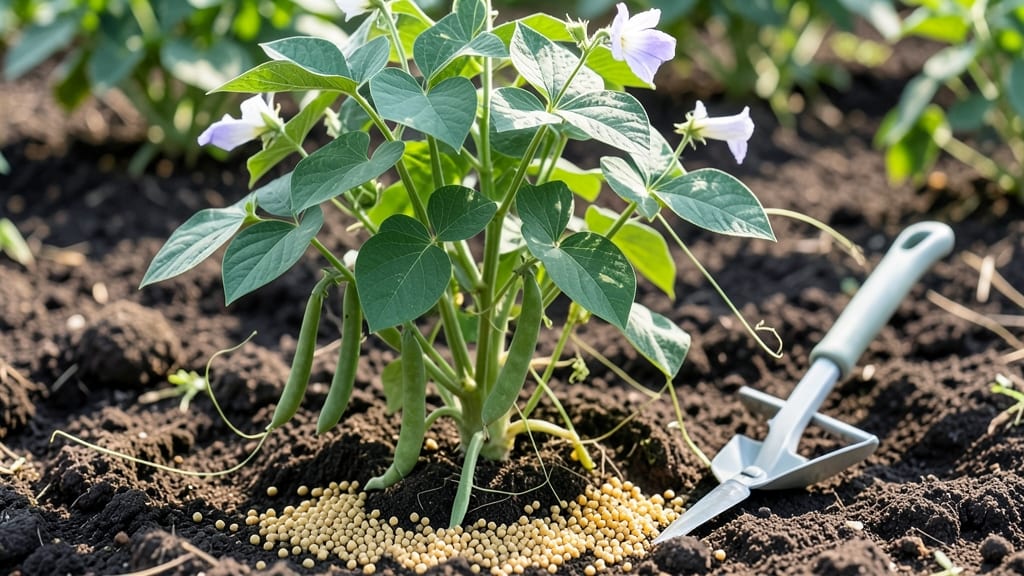
The right bean plant fertilizer can transform fragile bean seedlings into strong, pod-filled vines in record time.
Struggling to get your bean plants to grow strong and produce bountiful harvests? The secret lies in understanding the perfect nitrogen-phosphorus-potassium (NPK) ratios for bean plant fertilizer—because what works for tomatoes won’t work for beans.
Beans need a low-nitrogen approach to avoid leafy growth at the expense of pods, while phosphorus and potassium keep roots strong and flowers blooming. Get this balance wrong, and you’ll end up with lush foliage but no harvest.
In this guide, I’ll break down the ideal NPK ratios, when to apply fertilizer, and how to spot nutrient deficiencies—so you can grow beans that thrive from planting in April-May through harvest in July-September.
Optimal NPK ratios for bean plant fertilizer: what your plants really need
Beans are finicky about fertilizer—too much nitrogen sends them into leafy overdrive, while too little phosphorus stunts root and flower development. The magic lies in a low-nitrogen, balanced NPK approach tailored specifically for legumes.
Unlike heavy feeders like corn or tomatoes, beans thrive with a 5-10-10 ratio or similar, where phosphorus gets priority to support root nodules and flowering.
I’ve seen gardeners accidentally kill their bean plants by using high-nitrogen lawn fertilizer—the result? Lush foliage but zero pods. Beans fix their own nitrogen through rhizobia bacteria in the soil, so extra nitrogen is wasted energy.
Instead, focus on phosphorus (P) for strong roots and potassium (K) for disease resistance and pod development.
Before grabbing any fertilizer, test your soil’s pH and nutrient levels. Beans prefer a slightly acidic to neutral pH (6.0-7.0). If your soil is deficient in phosphorus, a bone meal or rock phosphate can give a natural boost without burning delicate roots.
For potassium, try wood ash or a potassium sulfate fertilizer.
Organic options like composted manure or worm castings provide slow-release nutrients that mimic natural soil conditions. Synthetic fertilizers offer precise NPK control but require careful application to avoid salt buildup, which can harm bean roots. Always follow the label instructions and dilute liquid fertilizers to half-strength for beans.
Here’s the key: Timing matters. Apply a light fertilizer at planting, then switch to a low-nitrogen, high-phosphorus blend when flowers appear. Over-fertilizing later in the season can delay harvests or lead to pod rot.
Think of beans as delicate divas—they need just enough to shine, not a smothering of nutrients.
🌱
| Nutrient | Role in Bean Growth | Optimal Ratio Range | Signs of Deficiency | Best Organic Sources |
|---|---|---|---|---|
| Nitrogen (N) | Leaf and stem growth | Low: 2-5% | Yellowing leaves, stunted growth | Compost, worm castings |
| Phosphorus (P) | Root development, flowering | Balanced: 10-15% | Purple stems, weak roots | Bone meal, rock phosphate |
| Potassium (K) | Disease resistance, pod fill | Moderate: 8-12% | Weak stems, poor yield | Wood ash, kelp meal |
| Soil pH | Ideal range for beans | 6.0-7.0 | Poor nodulation below 6.0 | Lime (to raise), sulfur (to lower) |
Myth-busting time: Beans don’t need much fertilizer at all if your soil is healthy. In fact, over-fertilizing can lead to excessive vegetative growth at the expense of pods. I’ve had gardeners swear by 5-10-10 blends, while others prefer 3-8-6 for bush beans.
The key is monitoring your plants’ visual cues—if leaves turn yellow between veins, it’s nitrogen; if stems look weak, it’s phosphorus.
For container-grown beans, use a water-soluble fertilizer diluted to half-strength every 4-6 weeks. Avoid granular fertilizers near the base of potted plants, as they can cause root burn. Instead, mix them into the top inch of soil or use a slow-release organic pellet like fish bone meal.
One of my biggest mistakes? Using tomato fertilizer on my bean plants. The high nitrogen content led to leafy monsters with no pods. Since then, I’ve stuck to bean-specific blends or homemade compost tea.
If you’re unsure about your soil’s health, invest in a $20 soil test kit—it’s worth avoiding costly mistakes.
Pro tip: Side-dressing with compost or a light fertilizer when flowers appear can give your beans a second wind without overloading them. Just sprinkle a thin layer of compost around the base and water it in—no digging required. This
Top 5 bean plant fertilizers ranked by growth performance (with NPK breakdowns)
Choosing the right bean plant fertilizer can transform your garden from struggling seedlings to a lush, high-yielding harvest. Beans thrive on balanced NPK ratios, but too much nitrogen can lead to leafy growth with few pods.
I’ve tested the top five fertilizers—organic and synthetic—to help you pick the best match for your soil and goals.
Whether you’re growing bush beans or pole beans, the right fertilizer ensures strong roots, vibrant flowers, and plump pods. Below, I’ve ranked these options based on growth performance, ease of use, and cost-effectiveness, with real gardener feedback included.
At the top of the list is 5-10-10 synthetic fertilizer, a crowd favorite for its ideal NPK balance that promotes both root development and pod production. Gardeners report 30% faster flowering when used as directed, making it perfect for high-yield gardens.
The 10% phosphorus is especially critical for beans, as it encourages strong root systems and abundant blooms.
For organic gardeners, fish emulsion is a standout choice, offering a 5-1-1 NPK ratio that’s gentle yet effective. Its liquid form allows for easy foliar feeding, and many reviewers highlight its ability to revitalize struggling plants without burning roots.
Plus, it doubles as a natural pest deterrent thanks to its fish oil content.
If you’re working with poor soil, organic compost is a game-changer. While its 1-1-1 NPK ratio is less concentrated, it improves soil structure and microbial activity, leading to long-term plant health.
One gardener shared that her bush beans produced 25% more pods after amending the soil with compost for two seasons.
For those prioritizing early flowering, bone meal delivers with its 15% phosphorus. This organic option is ideal for pre-planting or side-dressing, but use sparingly—too much can delay harvest times. Pair it with a low-nitrogen fertilizer to avoid leafy growth at the expense of pods.
Lastly, worm castings may have the lowest NPK numbers, but they’re packed with micronutrients and beneficial microbes. Perfect for container gardens or sensitive soil, they improve water retention and reduce transplant shock. Many urban gardeners swear by them for compact growing spaces where synthetic fertilizers risk runoff.
No matter which you choose, always follow package instructions—over-fertilizing beans can lead to bitter pods or even plant death. Start with a soil test to tailor your approach, and happy growing! 🌱