Pests and Diseases
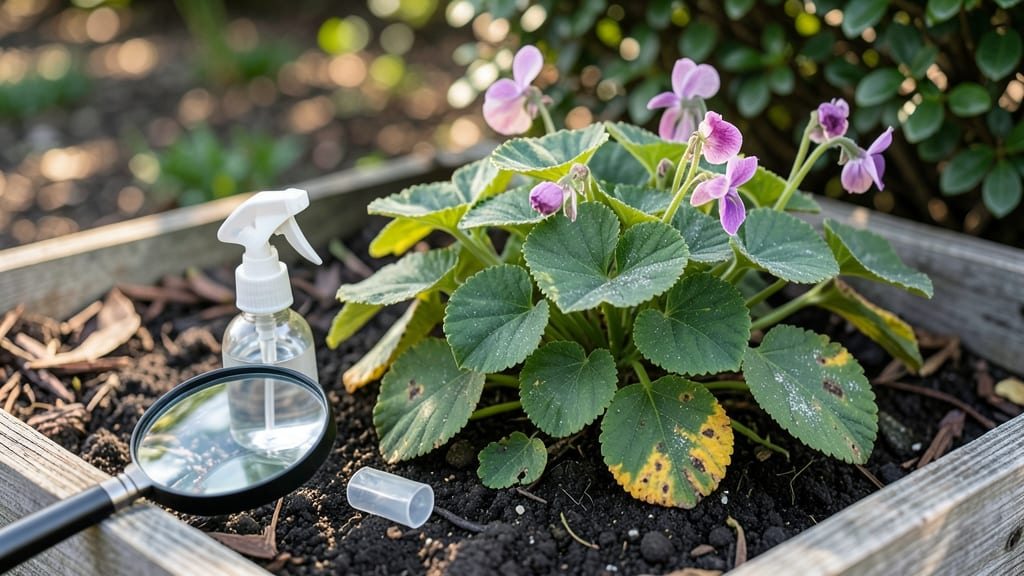
Impatiens plant disease can turn your vibrant hanging baskets into sad, spotted messes in weeks. 🌿 I’ve watched powdery mildew and leaf spots creep across my impatiens like a silent takeover, but there’s a way to fight back—before it’s too late.
The key is catching symptoms early and knowing which treatments work best.
Most impatiens diseases start with too much moisture—whether from overhead watering, poor airflow, or crowded plants. Powdery mildew shows up as white fuzzy patches, while bacterial spots create dark, water-soaked marks.
The good news? Proper spacing, watering at the base, and removing infected leaves can stop the spread before it ruins your display.
You’ll learn to treat fungal issues with neem oil or baking soda sprays, and bacterial infections with copper-based fungicides. The goal is to keep your impatiens thriving without losing them to disease—so you can enjoy those bright blooms all season long.
Works for both garden beds and containers, and the fixes apply to other shade-loving plants too. Let’s get your impatiens back to their best before the next downpour hits.
Root Causes Behind Impatiens Woes
Impatiens plants—those vibrant, shade-loving beauties—can quickly go from lush and lively to wilted and sad when diseases strike. But why do these issues pop up in the first place? The answer lies in a mix of environmental stressors, microbial invaders, and even human habits.
Let’s break down the key triggers behind impatiens plant diseases, so you can spot them early and stop them in their tracks.
Impatiens thrive in partial shade, but when their leaves brush too closely together—or when they’re planted too densely—the result is a perfect storm for fungal diseases. Here’s why:
- Humidity buildup: Stagnant air traps moisture between leaves, creating a damp, warm microclimate that fungi like Downy Mildew and Powdery Mildew adore. These pathogens need this environment to germinate and spread.
- Reduced sunlight penetration: Tightly packed foliage blocks light, weakening lower leaves. Weakened leaves are easier targets for infections.
- Splashback from soil: Water droplets kicked up during irrigation can carry fungal spores from the soil directly onto leaves, bypassing natural defenses.
Actionable fix: Space plants 12–18 inches apart and prune to improve airflow. If growing in containers, elevate pots to prevent soil splash.
Water is life for impatiens—but too much (or the wrong kind) can drown their roots and fuel disease. Common watering blunders include:
| Problem | Why It’s Dangerous | Solution |
|---|---|---|
| Overhead watering | Wets foliage, promoting fungal spores like Alternaria or Phytophthora. | Use drip irrigation or water at the base early in the day. |
| Poor drainage | Soggy soil suffocates roots and encourages root rot (caused by Pythium or Phytophthora). | Amend soil with perlite or sand; ensure pots have drainage holes. |
| Hard water buildup | Mineral deposits on leaves block stomata, stressing plants and making them susceptible to infections. | Use rainwater or filtered water; flush soil occasionally. |
Pro tip: Always water in the morning so foliage dries by night—fungi love overnight dampness! 🌡️
Many impatiens diseases start in the soil, where spores lie dormant until conditions are just right. The biggest culprits:
- Reused contaminated soil: Fungal spores like Fusarium or Verticillium can survive for years in old potting mix. If you replant in the same soil without sterilizing it, you’re basically inviting a repeat performance.
- Compacted or nutrient-poor soil: Stressed plants with weak immune systems are easy prey. Phytophthora (a water mold) thrives in heavy, clay-like soils that don’t drain.
- Infected plant debris: Leaving behind old impatiens stems or leaves in the garden? Those can harbor spores that reinfect new plants.
Actionable fix: Sterilize soil with a 10-minute bake in the oven (200°F) or use fresh, sterile potting mix. Rotate planting locations yearly to break the disease cycle.
Impatiens are sensitive to abrupt changes. When they’re pushed beyond their comfort zone, their defenses drop—and diseases move in. Watch for these stress signals:
- Temperature swings: Cold snaps or sudden heat waves weaken plants. Downy Mildew, for example, flourishes in cool (60–75°F), humid conditions.
- Nutrient deficiencies: Lack of phosphorus or magnesium stunts growth, making leaves thin and prone to infection. Powdery Mildew often targets nitrogen-deficient plants.
- Transplant shock: Moving impatiens abruptly (especially in hot weather) can stress roots, opening doors for root rot.
Pro tip: Harden off seedlings gradually and mulch to stabilize soil temperature. A balanced fertilizer (like 10-10-10) keeps them resilient! 💪
By tackling these root causes—airflow, water habits, soil health, and stress management—you’ll create an impatiens paradise where diseases struggle to take hold. Next up: how to spot these issues early and treat them effectively.
Quick Fixes for Sick Impatiens
Reviving your impatiens doesn’t have to be a guessing game. Whether your plants are battling fungal blights, bacterial spots, or viral infections, targeted action can turn things around. Below, we’ll map common causes to practical, step-by-step solutions—plus prevention tips to keep your impatiens thriving long-term.
---
Fungal diseases thrive in humid, damp conditions, so act fast to stop the spread.
#### 🔥 Step 1: Prune Infected Leaves - Remove all yellow, spotted, or moldy leaves immediately with clean, sharp scissors. - Dispose of pruned leaves in the trash (not compost)—fungi can survive in soil. - Pro tip: 💡 Sterilize your tools with 70% rubbing alcohol between cuts to prevent cross-contamination.
#### 🍳 Step 2: Apply Fungicide - Neem oil (1 tsp per quart of water + a drop of dish soap) is a natural, effective treatment.
Spray evenly on both leaf surfaces. - Copper fungicide (like Copper Sulfate) works for stubborn cases—follow label instructions. - Reapply every 7–10 days until new growth appears.
#### 🌡️ Step 3: Improve Airflow & Light - Space plants 12–18 inches apart to reduce humidity buildup. - Avoid overhead watering—use a drip irrigation system or water at the base. - Move pots to a sunnier spot (impatiens need 4–6 hours of sunlight daily).
#### ✨ Prevention Checklist - Water in the morning so foliage dries quickly. - Rotate pots occasionally for even sunlight exposure. - Clean garden tools after each use.
---
Bacteria cause water-soaked spots that turn brown and crusty. Unlike fungi, they can’t be cured—only managed.
#### 👨🍳 Step 1: Remove & Destroy Infected Plants - Pull up severely infected plants and bag them (don’t compost). - Disinfect soil with a 10% bleach solution (1 part bleach to 9 parts water) if replanting.
#### 🔪 Step 2: Use Copper Bactericide - Copper-based sprays (like Copper Hydroxide) can slow bacterial spread. - Apply every 5–7 days until new growth emerges.
#### 🌱 Step 3: Adjust Watering Habits - Water deeply but infrequently—let the top inch of soil dry out between waterings. - Avoid splashing soil onto leaves (use a soaker hose).
#### 🎯 Prevention Tips - Rotate crops—don’t plant impatiens in the same spot yearly. - Sterilize containers with bleach or baking soda before reuse. - Choose resistant varieties like Impatiens walleriana ‘Super Elfin’ (less prone to bacterial issues).
---
Viruses are incurable—once a plant is infected, remove it completely to protect others.
#### 🚨 Step 1: Quarantine & Remove Infected Plants - Isolate sick plants immediately—viruses spread via aphids, whiteflies, and contaminated tools. - Burn or trash infected foliage do not compost.
#### 🐜 Step 2: Control Pests - Spray with insecticidal soap or neem oil to eliminate aphids/whiteflies (common virus carriers). - Introduce beneficial insects like ladybugs for natural pest control.
#### 🛡️ Prevention Strategies - Inspect new plants before bringing them home—look for mottled leaves or stunted growth. - Keep weeds down—they harbor pests that spread viruses. - Rotate plant families (impatiens are in the Balsaminaceae family) to reduce soil-borne risks.
---
Even if the disease isn’t severe, boost your plants’ immunity with these easy care tweaks:
| Issue | Fix It With | Prevent It By | |-------------------------|------------------------------------------|--------------------------------------------| | Yellowing leaves | Chelated iron supplement (for chlorosis) | Test soil pH (aim for 6.0–6.5) | | Stunted growth | Balanced fertilizer (10-10-10) | Feed every 4–6 weeks in growing season | | Drooping stems | Check for root rot—trim mushy roots | Use well-draining soil (add perlite) | | Pale leaves | More sunlight (or grow lights) | Rotate pots weekly for even light |
--- Final Pro Tip: 🔥 Act fast! The sooner you treat symptoms, the better your impatiens’ chances of recovery. Prevention is your best defense—healthy plants resist disease naturally!
Frequently asked questions
What are the first signs my impatiens have a fungal infection?
Look for white powdery patches on leaves (powdery mildew) or yellow spots with dark borders (leaf spot diseases). These appear first on older leaves and spread quickly in humid conditions. Act fast by pruning infected areas and improving airflow.
Can I save my impatiens if they have bacterial spots?
Unfortunately, bacterial infections like Xanthomonas can't be cured, but you can slow the spread. Remove severely infected plants immediately, apply copper fungicide, and adjust watering to prevent soil splash. For mild cases, copper sprays may buy time for new growth.
Why do my impatiens get diseases even with proper care?
Even with good care, stress factors like sudden temperature changes, poor drainage, or crowded planting can weaken defenses. Viruses (spread by pests) and soil-borne pathogens can also strike unexpectedly. Rotate planting locations yearly and sterilize containers to reduce risks.
Are there disease-resistant impatiens varieties?
Yes! Look for 'Super Elfin' or 'Diamond' series impatiens, bred for better disease resistance. These hybrids handle humidity better and show fewer fungal symptoms. Always check seed packets for disease-resistance claims before purchasing.
How often should I spray neem oil on my impatiens?
Apply neem oil every 7–10 days during active growth (spring-fall) as both a preventive and treatment. Mix 1 teaspoon per quart of water with a drop of dish soap. Avoid spraying in direct sunlight to prevent leaf burn.