Flowers
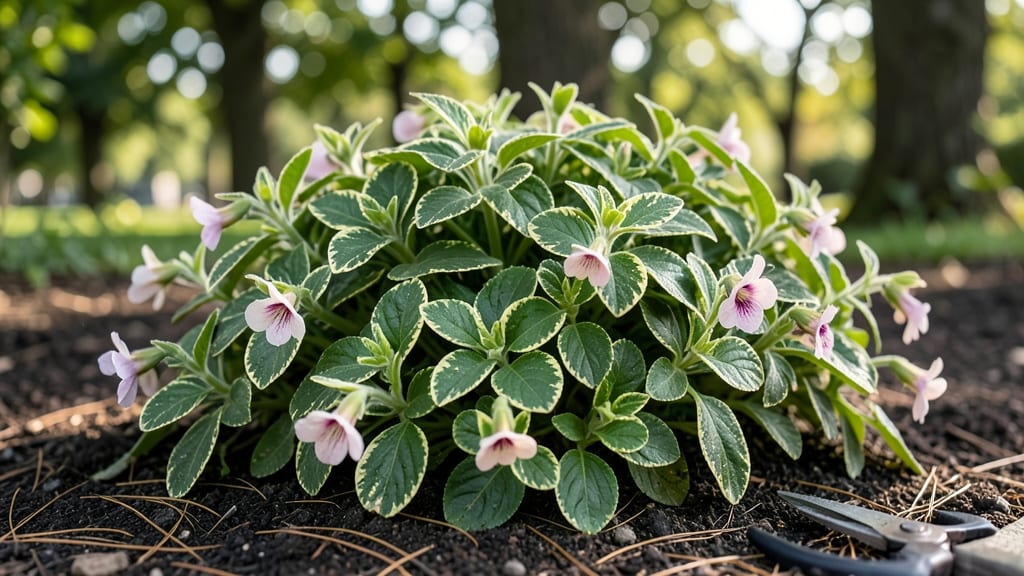
Variegated impatiens plants bring a splash of color to shady spots where most flowers refuse to grow. ✨ I’ve grown them for years, and their glossy leaves with creamy edges paired with bright blooms make them the star of my woodland garden.
These shade lovers thrive where ferns and hostas struggle, filling gaps with nonstop blooms from spring until frost.
The secret to their success is simple: rich, moist soil, partial shade, and consistent watering. They despise dry soil and hot sun, so mulch heavily to keep roots cool and damp.
Most garden centers sell them as bedding plants, but you can also grow them from seed indoors in early spring or propagate cuttings from existing plants—it’s easier than you’d think.
You’ll end up with a lush, flowering curtain that hummingbirds adore and neighbors will envy. The blooms come in pink, white, and purple, with foliage that adds texture even when flowers fade.
With minimal care, these plants reward you with months of effortless beauty—perfect for under trees, along fences, or in containers where light is limited.
They do have one quirk: impatiens don’t like wind, so protect them in exposed spots. And while they’re annuals, they self-seed aggressively in mild climates, turning your shady spots into a self-sustaining display year after year. Here’s how to make them thrive in your garden.
📚 In This Guide
- What you need
- Instructions
- Tips and common mistakes
- Wrapping up and next steps
What you need
- ● Variegated Impatiens Plants: 3–6 plants (check labels for New Guinea impatiens or hybrid varieties like 'Super Elfin' or 'Fiesta').
- ● Containers or Garden Beds: Containers: 12–16" pots (1–2 plants per pot) with drainage holes.
- ● Garden Beds: Partial to full shade spots with well-draining soil.
- ● Potting Mix: 5–10 gallons of moisture-retentive, peat-based mix (e.g., African violet mix or add perlite for aeration).
- ○ Slow-Release Fertilizer: 1–2 tbsp of balanced 10-10-10 or 20-20-20 per pot (optional for garden beds).
- ● Mulch: 1–2 inches of pine bark or shredded leaves to retain moisture.
- ● Watering Can or Hose: With a gentle spray nozzle (avoid overhead watering).
- ● Pruning Shears: Sharp, clean pair for trimming leggy stems.
- ● Ebb-and-Flow Tray: For consistent moisture in containers.
- ● Plant Stakes or Cages: To support taller varieties (e.g., 'Super Elfin').
- ● Liquid Fertilizer: Diluted fish emulsion or seaweed extract for a mid-season boost.
- ● Shade Cloth: 30–50% coverage if your area gets hot afternoon sun.
- ● Decorative Stones or Gravel: For a polished container look (top layer only).
Step-by-Step instructions for planting and caring for variegated impatiens
Here's how to get those stunning variegated blooms thriving in your shady spots—simple steps for stunning results.
🪴 Step 1: Choose the Perfect Planting Location
Variegated impatiens love partial to full shade, so pick a spot with 4-6 hours of dappled sunlight or filtered light. Too much direct sun bleaches their variegated leaves and fades the flowers. I always test the spot first by placing a plant there for a few hours—if the leaves start looking stressed or crispy, move it to a shadier area.
These plants also adore humidity, so spots near trees, under decks, or in shaded garden beds work best. If your yard is dry, group them with other shade-loving plants like ferns or hostas to create their own microclimate. Avoid windy areas—their delicate stems can flop without support.
🌱 Step 2: Prepare the Soil and Plant Your Impatiens
Use the 4-6 inches of rich, well-draining potting mix you’ve prepared, amending it with 1 cup of compost per plant. Variegated impatiens hate soggy roots, so if your soil drains poorly, mix in 1 part perlite for every 3 parts soil to improve aeration. I like to dig a hole twice as wide as the root ball but only as deep—planting too deep suffocates the roots.
Gently remove the plant from its container and loosen any circling roots with your fingers. Place it in the hole so the top of the root ball sits just below soil level—this prevents stem rot. Backfill with soil, pressing lightly to remove air pockets, then water deeply to settle everything. You’ll know it’s right when the soil looks evenly moist but not muddy.
💧 Step 3: Water Consistently for Lush Growth
Keep the soil evenly moist but never soggy—this is the golden rule for variegated impatiens. Water when the top inch of soil feels dry to the touch, which is usually every 2-3 days in warm weather. I use a watering can with a fine rose to avoid disturbing the delicate stems. Overwatering causes yellowing leaves, while underwatering leads to droopy flowers.
Mulch around the base with 1-2 inches of shredded bark mulch to retain moisture and keep roots cool. This also suppresses weeds, which compete for water and nutrients. Avoid letting mulch touch the stems—keep it 2 inches away to prevent rot.
☀️ Step 4: Fertilize and Encourage Blooms
Feed your impatiens every 2-3 weeks with a balanced, water-soluble fertilizer (like 10-10-10) diluted to half-strength. Too much fertilizer burns their sensitive roots, so I always mix it in a watering can first. You’ll see the difference in 2-3 weeks—healthier foliage and more vibrant blooms. Stop fertilizing in late summer to encourage a clean finish before winter.
Deadhead spent blooms regularly by pinching them off with your fingers. This redirects the plant’s energy into producing new flowers instead of seed pods. I do this every week or two, and my plants keep blooming until the first frost. If you notice leaves turning yellow, it’s often a sign of overwatering or poor drainage—adjust your care routine immediately.
✂️ Step 5: Prune and Overwinter (If Possible)
If your impatiens are annuals in your climate, enjoy them until frost kills them naturally. But if you’re in a mild-winter zone, you can try overwintering them indoors. Cut back the plants by one-third in early fall, then dig them up carefully, keeping as much root as possible. Repot them in 4-inch containers with fresh potting mix and place them in a cool, bright spot (like a garage or shed).
Water sparingly over winter—just enough to keep the soil from drying out completely. In early spring, bring them back outside after the last frost. You’ll often get new growth within weeks, and they’ll bloom even more vigorously the second year. If overwintering fails, don’t worry—just treat them as annuals and replant fresh ones next season.
Tips & tricks for perfect variegated impatiens
Here's what I've learned after growing these stunning shade plants for years—simple secrets that make all the difference.
Location Test First: Before committing to a spot, do this quick test: place a plant in your chosen location for a few hours during the hottest part of the day. If the leaves look crispy or wilted after just a couple hours, move it to a shadier area. The 4-6 hours of dappled sunlight mentioned in Step 1 is crucial—too much sun bleaches those gorgeous variegated leaves faster than you'd think.
Root Ball Preparation: When removing plants from their containers in Step 2, gently tease apart any circling roots with your fingers. These roots can strangle the plant as it grows. I also like to soak the root ball in water for 10 minutes before planting—this helps rehydrate roots that may have dried out during transit or storage, giving your impatiens a stronger start.
Mulching Strategy: That 1-2 inches of shredded bark mulch in Step 3 isn't just about moisture—it's also about temperature regulation. In hot weather, mulch acts like insulation, keeping roots cooler than surface soil temperatures. And here's a pro tip: refresh your mulch layer every 3-4 months as it breaks down, adding a thin layer of compost each time to feed your plants.
Fertilizer Timing: The 2-3 week feeding schedule in Step 4 works perfectly, but there's a trick to make it even more effective. Mix your fertilizer with water in a watering can and apply it in the morning—this gives the roots time to absorb nutrients before the heat of the day. Also, if you notice new growth slowing down after a few feedings, it might be time to switch to a lower-nitrogen fertilizer to encourage more blooms.
Pro Tips for Variegated Impatiens Plants
- Here's what I've learned after growing these stunning shade plants for years—simple secrets that make all the differe...
- Location Test First: Before committing to a spot, do this quick test: place a plant in your chosen location for a few...
- Root Ball Preparation: When removing plants from their containers in Step 2, gently tease apart any circling roots wi...
Frequently asked questions
Got questions about keeping your variegated impatiens thriving? You’re not alone! Here are answers to the most common concerns—from planting to troubleshooting—so you can enjoy their stunning blooms worry-free.
When is the best time to plant variegated impatiens?
Plant them after the last frost in spring (typically late April to early June, depending on your zone). These shade-lovers hate cold snaps, so wait until soil temps hit 55°F (13°C) or warmer. For containers, you can start them indoors 6–8 weeks before the last frost if you’re eager for early color!
How often should I water variegated impatiens?
Keep soil consistently moist—never soggy! Water deeply 2–3 times weekly (daily in extreme heat). Their delicate roots wilt fast when dry, so mulch around plants to retain moisture. Pro tip: Water at the base (not leaves) to avoid fungal issues like powdery mildew.
Why aren’t my variegated impatiens blooming?
Lack of blooms usually means too much shade, over-fertilizing with high-nitrogen (which encourages leaves over flowers), or poor circulation. Try moving them to bright, indirect light (like dappled sunlight) and switch to a balanced bloom booster (10-10-10) every 4–6 weeks. Deadhead spent blooms too!
Can variegated impatiens survive winter?
Nope—not in most climates! They’re annuals and die back with frost. In USDA Zones 10–11, they may persist as perennials with winter mulch. For colder areas, treat them as summer stars: plant fresh each spring for nonstop color. Save seeds if you’re ambitious (though they’re often hybrids and may not true!).
What’s a good alternative if variegated impatiens don’t thrive?
Try these shade-tolerant, low-maintenance bloomers:
- Fuchsia: Loves humidity, blooms all season, and thrives in partial shade.
- Begonias (like Wax Begonias): Drought-tolerant once established, with bold foliage.
- Heuchera (Coral Bells): Stunning foliage, no flowers needed!
- Lobelia: Trailing habit, great for containers, and blooms nonstop.
What do brown leaves on variegated impatiens mean?
Brown edges or spots usually signal underwatering, sunburn (too much direct light), or fungal issues (like powdery mildew). Check soil moisture first—if dry, water deeply. For sunburn, move plants to more shade. Fungal problems? Prune affected leaves and avoid wetting foliage. A copper fungicide can help if it’s persistent.
Wrapping up and next steps
Variegated impatiens are the perfect shade-loving superstars—bursting with color, thriving in low light, and keeping your garden lively from spring to frost! 🌿 With their easy-care nature and stunning foliage, they’re ideal for containers, borders, or hanging baskets.
Whether you’re a seasoned gardener or just starting, these plants reward effortlessly with nonstop blooms and drama.
Ready to transform your shady spots? Grab your variegated impatiens, follow the tips above, and watch your garden come alive. Next, explore companion plants to create an even more vibrant display—your green thumb will thank you! 🌸