Diseases
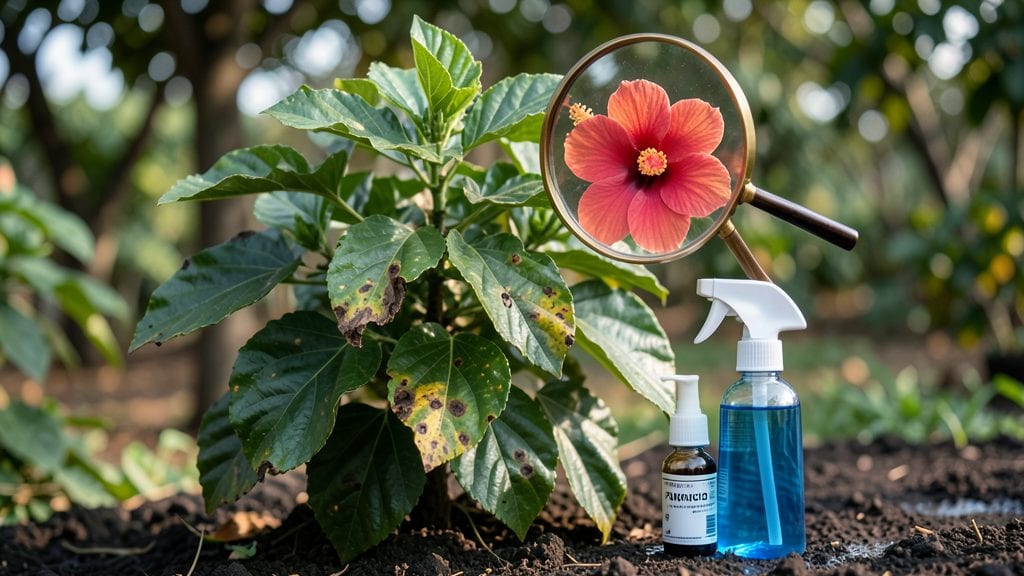
Hibiscus plant diseases can turn your vibrant blooms into a sad, spotted mess—unless you catch them early. 🌿 I’ve seen anthracnose turn glossy leaves into ragged brown patches, and rust make them look like they’ve been dusted with orange powder.
The good news? Most issues have simple fixes if you know what to look for.
Fungal infections like anthracnose and rust thrive in warm, humid conditions, while bacterial spots spread when leaves stay wet too long. Aphids and whiteflies, on the other hand, suck sap and leave sticky residue that attracts sooty mold.
The key is acting fast—prune infected leaves, improve airflow, and treat with neem oil or copper fungicide before the problem spreads.
With the right care, your hibiscus will bounce back stronger. You’ll spot the first signs of trouble—yellowing leaves, dark spots, or weird growths—and know exactly how to stop it.
Think of it as a game of early detection: the sooner you act, the sooner your plant will reward you with bold, healthy blooms all season.
Works for both indoor and outdoor hibiscus, whether you’re dealing with tropical varieties or hardy shrubs. Let’s get your plant back to its showstopping best—no more guessing, just results.
Root Causes Behind Hibiscus Troubles
Hibiscus plants may look tough, but they’re surprisingly vulnerable to a mix of environmental stressors, pathogens, and even human mistakes. Understanding why these diseases strike is the first step to stopping them.
Below, we break down the science behind the most common triggers—so you can protect your hibiscus before problems bloom.
Hibiscus thrives in warm, humid climates, but push the conditions too far in either direction, and diseases will take hold. Here’s how:
- 💦 Overwatering & Poor Drainage
- Hibiscus roots hate soggy soil. When water pools around roots, it creates the perfect breeding ground for fungal pathogens like Phytophthora and Fusarium. These fungi clog root tissues, cutting off water and nutrient flow, leading to wilting, yellowing leaves, and eventual collapse.
- Why it happens: Stagnant water starves roots of oxygen, weakening their defenses. Fungal spores, always present in soil, seize the opportunity to infect stressed plants.
- ☀️ Extreme Heat or Cold Snaps
- Hibiscus is tropical—it cannot handle sudden temperature swings. Heat stress (above 95°F/35°C) weakens cell walls, making plants more susceptible to bacterial leaf spot (Xanthomonas) or powdery mildew (Oidium).
- Why it happens: High temps increase plant respiration, depleting energy reserves needed for disease resistance. Cold damage (below 32°F/0°C) disrupts cellular function, leaving wounds where pathogens can enter.
- 🌬️ High Humidity Without Airflow
- Humidity >70% + stagnant air = a fungal buffet. Anthracnose (Colletotrichum) and rust (Puccinia) spores thrive in these conditions, splashing from leaf to leaf via water droplets.
- Why it happens: Humid air slows water evaporation from leaves, creating a damp film that traps spores. Poor airflow prevents drying, extending the infection window.
Diseases don’t just appear—they invade. Hibiscus pathogens exploit weaknesses, often hitching rides on wind, water, or even your tools. Here’s how they gain entry:
- 🍃 Fungal Spores: The Silent Saboteurs
- Fungi like Botrytis (gray mold) and Alternaria (leaf spot) produce microscopic spores that wait for the right conditions to germinate. A single infected leaf can release millions of spores per day.
- Why it happens: Spores land on leaves, germinate when humidity rises, and penetrate through natural openings (stomata) or wounds. Once inside, they grow hyphae (thread-like structures) that digest plant cells.
- 🦠 Bacteria: The Fast Spreaders
- Unlike fungi, bacteria (Pseudomonas, Xanthomonas) multiply rapidly inside plant tissues. They often enter through:
- 🌧️ Rain splashes (carrying bacteria from soil to leaves).
- 🪒 Pruning wounds (if tools aren’t sterilized).
- 🐛 Insect damage (e.g., aphids or mites feeding on sap).
- Why it happens: Bacteria secrete enzymes that break down cell walls, causing water-soaked lesions that ooze bacteria—ready to infect neighboring plants.
- Unlike fungi, bacteria (Pseudomonas, Xanthomonas) multiply rapidly inside plant tissues. They often enter through:
- 🦟 Viruses: The Hitchhikers
- Viruses (e.g., Hibiscus Chlorotic Ringspot Virus) don’t spread on their own—they need vectors. Aphids, whiteflies, or even contaminated hands can transfer them while feeding or handling plants.
- Why it happens: Viruses hijack plant cells to replicate, causing mosaic patterns, stunted growth, or deformed flowers. Once infected, a hibiscus stays infected for life—there’s no cure.
Even the best gardeners make mistakes—and hibiscus plants pay the price. Here’s how we unintentionally fuel diseases:
- 🌱 Overcrowded Plants
- Hibiscus needs space (3–6 feet apart) for airflow. Packing them too closely traps moisture, creating a disease incubator for fungal growth.
- Why it happens: Dense foliage blocks sunlight, lowering leaf temps and increasing humidity at the plant base. Fungi like Botrytis thrive in these shaded, damp conditions.
- 🪴 Poor Sanitation in the Garden
- Reusing contaminated tools, unsterilized pots, or old mulch spreads pathogens. Even infected plant debris left in the soil can reinfect next season.
- Why it happens: Pathogens survive in organic matter for years. Pruners cutting an infected branch can carry spores to healthy plants, starting a new outbreak.
- 💧 Wrong Watering Practices
- ❌ Overhead watering (especially in the evening) keeps leaves wet, promoting fungal growth.
- ❌ Hard water with high salts (common in tap water) stresses roots, making them vulnerable to Fusarium wilt.
- Why it happens: Wet leaves for >12 hours create ideal conditions for Alternaria or Septoria spores to germinate. Salty water disrupts osmosis, causing root cells to dehydrate.
Pro Tip: 💡 Most hibiscus diseases start with stress. By fixing one issue—like improving drainage or spacing plants—you can dramatically reduce disease risk. Think of it like giving your hibiscus a superhero cape against pathogens!
Quick Fixes for Hibiscus Ailments
Reviving your hibiscus plant starts with identifying the right cure for its specific issue. Below are practical, step-by-step solutions tailored to the most common hibiscus diseases—fungal, bacterial, and viral—plus prevention tips to keep your plant thriving long-term.
Fungal infections like anthracnose, powdery mildew, and root rot thrive in damp conditions. Act fast to prevent them from weakening your hibiscus.
🔥 Treat Anthracnose & Leaf Spots
- Prune Infected Leaves 🌿
- Use sterilized pruners (wipe with rubbing alcohol) to remove yellowing, brown, or crinkled leaves.
- Dispose of them in the trash (not compost) to prevent reinfection.
- Apply Fungicide 💊
- Spray with a copper-based fungicide (like Copper Soap) or a neem oil solution (1 tbsp neem oil + 1 tsp mild soap per quart of water).
- Reapply every 7–10 days until new growth appears.
- Improve Airflow & Drainage 🌬️
- Thin out crowded foliage to reduce humidity around the plant.
- Ensure pots have drainage holes and use well-draining soil (mix in perlite or sand).
- Water Wisely 💧
- Water early in the day so leaves dry quickly.
- Avoid overhead watering—water at the base instead.
💡 Prevention Tip: Space plants 2–3 feet apart and mulch with straw (not thick layers) to keep soil dry.
🍳 Fix Powdery Mildew
- Wipe Leaves Gently 🧼
- Use a soft cloth dampened with water and a drop of dish soap to remove white powdery residue.
- Spray Baking Soda Solution ✨
- Mix 1 tsp baking soda + 1 tsp horticultural oil + 1 quart water and spray every 3–4 days until cleared.
- Boost Sunlight & Airflow ☀️
- Move the plant to a sunnier spot (hibiscus love 6+ hours of sunlight).
- Prune nearby plants to increase airflow.
💡 Prevention Tip: Avoid over-fertilizing with nitrogen—it encourages lush, mildew-prone growth.
👨🍳 Cure Root Rot
- Check the Roots 🔍
- Gently remove the plant from its pot and inspect roots—healthy roots are firm; rotten ones are mushy and black.
- Trim Damaged Roots ⏰
- Cut away soft, discolored roots with sterilized scissors.
- Dust cuts with cinnamon powder (natural antifungal) or fungicide.
- Repot in Fresh Soil 🏺
- Use a well-draining potting mix (add perlite or orchid bark).
- Choose a slightly larger pot (only 1–2 inches bigger) to prevent overwatering.
- Adjust Watering Habits 💧
- Let the top 1–2 inches of soil dry out before watering again.
- Ensure the pot has drainage holes and a saucer underneath (empty excess water after 30 mins).
💡 Prevention Tip: Never let hibiscus sit in soggy soil—they prefer moderate moisture, not wet feet.
Bacterial infections like bacterial blight and leaf spot spread quickly. Isolation and sanitation are key.
🔪 Treat Bacterial Blight & Leaf Spot
- Remove All Infected Parts 🗑️
- Prune yellow, brown, or oozing leaves immediately with sterilized tools.
- Do not compost—dispose of them in sealed bags.
- Apply Copper Fungicide 🛡️
- Spray a copper-based bactericide (like Copper Fungicide) every 7–10 days for 3–4 weeks.
- Disinfect Tools & Pot 🧼
- Wash pots with 10% bleach solution (1 part bleach to 9 parts water) before repotting.
- Sterilize pruners with rubbing alcohol between cuts.
- Improve Sanitation 🏥
- Avoid overhead watering—use a drip irrigation system or water at the base.
- Clean up fallen leaves regularly to prevent bacterial buildup.
💡 Prevention Tip: Rotate plants occasionally to prevent soil-borne bacteria from lingering in one spot.
Viral infections (like hibiscus chlorotic ringspot) have no cure, but you can slow progression and strengthen the plant.
🎯 Manage Viral Infections
- Isolate the Plant Immediately 🚫
- Move the infected hibiscus away from other plants to prevent aphids (common virus carriers) from spreading it.
- Control Pests 🐜
- Spray neem oil or insecticidal soap to eliminate aphids, whiteflies, and mealybugs (they transmit viruses).
- Introduce ladybugs or lacewings for natural pest control.
- Boost Plant Health 💪
- Fertilize with a balanced formula (10-10-10) to strengthen immunity.
- Prune lightly to encourage new, healthy growth.
- Replace Severely Infected Plants 🌱
- If the plant is beyond saving, remove it completely to prevent virus spread to other hibiscus.
💡 Prevention Tip: Buy virus-tested hibiscus plants from reputable nurseries and inspect new plants before bringing them home.
- Quarantine new plants for 2–4 weeks before introducing them to your garden.
- Rotate crops if growing hibiscus in the ground—don’t plant them in the same spot yearly.
- Test soil pH (hibiscus prefer 6.1–6.5)—extreme pH can weaken plants, making them disease-prone.
- Use resistant varieties like ‘Dwarf Green’ or ‘Lord Baltimore’, which are less susceptible to fungal issues.
By acting quickly and methodically, you can save your hibiscus and keep it blooming beautifully for seasons to come! 🌺💚
Frequently asked questions
What are the most common signs my hibiscus has a fungal infection?
Look for yellowing leaves with brown or black spots (anthracnose), orange powdery patches (rust), or white fluffy growth (powdery mildew). Fungal issues often appear on older leaves first and spread when humidity stays high for long periods. Check the undersides of leaves too—many spores hide there!
Can I save my hibiscus if it has bacterial leaf spot?
Yes, but act fast! Prune all infected leaves immediately with sterilized tools, then treat with a copper fungicide every 7-10 days. The key is stopping the spread—bacterial spots ooze and contaminate tools/soil. For severe cases, you may need to replace the top 4-6 inches of soil to remove bacteria buildup.
Why does my hibiscus get root rot even though I water it carefully?
Root rot thrives when soil stays soggy for more than 24 hours. Even if you water moderately, poor drainage (no holes in pots, compacted soil) or overpotting (too-large containers) traps excess moisture. Always check for drainage holes and use a mix with perlite—hibiscus hate "wet feet"!
Is there a natural remedy for hibiscus diseases?
Neem oil (1 tbsp + 1 tsp soap per quart of water) works against fungi, bacteria, and even some pests. For fungal spots, try a baking soda spray (1 tsp baking soda + 1 quart water + few drops of oil). Reapply every 5-7 days until symptoms clear—just avoid using these on blooming flowers.
How do I prevent hibiscus diseases before they start?
Focus on 3 key habits:
- Space plants 2-3 feet apart for airflow,
- water at soil level (never overhead), and
- sterilize tools between cuts. Also, remove fallen leaves regularly—they harbor spores! For extra protection, apply copper fungicide preventatively during humid months.