Pests
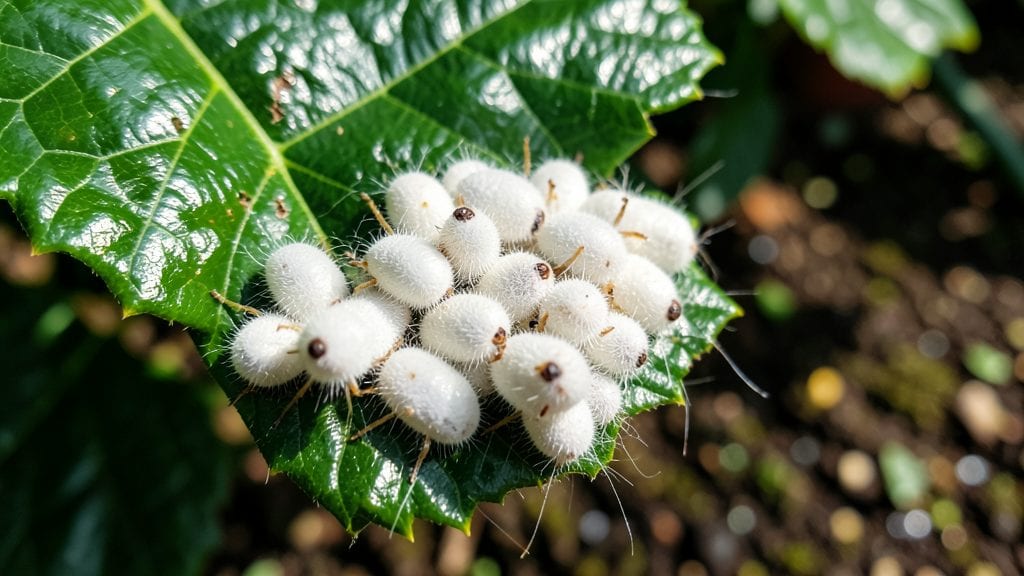
Hibiscus plant worms are sneaky little pests that can turn your vibrant blooms into a chewed-up mess in days. ✨ I’ve watched my prized hibiscus leaves disappear overnight—until I learned the telltale signs: jagged holes, wilting stems, or tiny white grubs hiding in the soil.
The key to saving your plant? Spotting them early and acting fast.
Most of these worms—like cutworms or root-knot nematodes—thrive in moist, shaded soil. They strike at night, leaving behind a trail of destruction that’s easy to miss until it’s too late.
The good news? A few simple checks—like flipping over leaves or shaking out soil—can reveal their hiding spots before they do real damage.
Once you confirm the infestation, you’ll eliminate them quickly with organic sprays (neem oil works wonders) or targeted soil treatments. Within a week, your hibiscus can bounce back with fresh, unblemished leaves—no more mystery wilting or missing petals.
This method works for both container and in-ground hibiscus, and the same principles apply to other tropical plants. Let’s get those worms out of your garden for good.
Root Causes Of Worm Infestations
Hibiscus plants may seem resilient, but they’re not immune to worm invasions—especially when specific conditions align. Understanding why these pests target your hibiscus is the first step to stopping them before they cause damage.
Below, we break down the key triggers, backed by science, so you can address the problem at its source.
Worms thrive in environments where moisture, decay, and shelter are abundant. Hibiscus plants grown in dense, compacted soil or poorly draining containers create the perfect breeding ground. Here’s why:
- Lack of airflow: Compacted soil traps excess moisture, preventing oxygen from reaching roots. This weakens the plant’s defenses and attracts worms seeking damp, anaerobic zones.
- Organic buildup: Over time, dead leaves, mulch, or old fertilizer decompose in the soil, creating a nutrient-rich buffet for worms. Some species, like root-knot nematodes, feed on decaying matter and plant roots alike.
- Root stress: Crowded roots (from overpotting or planting too closely) release sugars and exudates that signal worms to migrate toward the plant.
Actionable fix: Loosen soil annually with a garden fork, mix in perlite or sand for drainage, and avoid over-mulching near the base.
Hibiscus plants under stress—whether from nutrient deficiencies, disease, or environmental shocks—become easier targets. Worms exploit plants that can’t fight back effectively:
- Nitrogen deficiency: Yellowing leaves (chlorosis) signal a lack of nitrogen, a key component of plant proteins. Worms detect these chemical changes and home in on stressed foliage.
- Fungal/bacterial infections: Diseases like root rot or powdery mildew create entry points for worms. For example, hibiscus greenfly (a sap-sucking pest) often follows fungal damage.
- Extreme temperatures: Sudden heatwaves or cold snaps shock the plant, reducing its ability to produce defensive compounds like phenolics, which repel pests.
Actionable fix: Test soil pH (ideal: 6.0–6.5 for hibiscus), fertilize with balanced NPK (e.g., 10-10-10), and quarantine new plants for 2 weeks to prevent spreading pathogens.
Some worms are drawn to hibiscus plants via volatile organic compounds (VOCs) emitted by the plant or its soil. These chemical signals act like an invisible dinner bell:
- Root exudates: Healthy hibiscus roots release sugars and amino acids into the soil. Cutworms and loopers use these as a food source, especially in warm, humid conditions.
- Damaged foliage: When leaves are chewed (even by non-worm pests like aphids), the plant releases jasmonic acid, which can attract secondary pests, including worm larvae.
- Compost or manure proximity: Fresh compost piles emit ammonia and other gases that lure worm eggs to hatch nearby. If your hibiscus is near a compost bin, it’s a high-risk zone.
Actionable fix: Avoid fertilizing directly around the base; instead, use a slow-release granular fertilizer 6 inches away. Prune damaged leaves promptly to reduce VOC signals.
Worms are highly sensitive to moisture. Hibiscus plants in regions with high humidity, frequent rain, or poor drainage face higher risks because:
- Egg viability: Many worm species (e.g., tomato fruitworms) lay eggs in damp soil. Excess moisture keeps eggs from drying out, ensuring a steady infestation.
- Adult activity: Worms are most active when soil moisture is between 20–50%. Hibiscus in containers without drainage holes or outdoor plants in soggy beds become worm magnets.
- Fungal hitchhikers: Wet conditions encourage mycorrhizal fungi, which some worms symbiotically rely on for nutrition. This creates a self-sustaining cycle.
Actionable fix: Install drip irrigation to control watering, elevate pots to prevent waterlogging, and mulch sparingly (1–2 inches max) to allow evaporation.
Pro tip: 🔍 Inspect soil moisture by squeezing a handful—if it stays clumped, it’s too wet. Aim for a crumbly texture.
Quick Fixes for Common Plant Worms
Once you’ve identified the culprits—whether they’re hibiscus worms, aphids, or other leaf-munching pests—it’s time to take action. The good news? Most infestations can be tackled with simple, non-toxic methods if you catch them early.
Below, we’ve mapped out practical solutions for each cause, along with prevention tips to keep your hibiscus thriving.
Cause: Chewing larvae or worms (like tomato hornworms or hibiscus looper caterpillars) skeletonize leaves, leaving behind silvery trails or holes.
How to Fix It
- 🔥 Handpick the Pests
- Wear gloves and pluck off visible worms by hand—drop them into soapy water to kill them instantly.
- Check under leaves and in flower buds, where they hide.
- 🍳 Use Organic Sprays - Neem oil spray (1 tsp neem oil + 1 tsp mild soap + 1 quart water): Spray directly on pests and undersides of leaves.
Reapply every 5–7 days. - Bacillus thuringiensis (Bt): A natural bacteria that targets caterpillars. Mix with water and spray at dusk (avoid spraying flowers to protect pollinators).
- 👨🍳 Introduce Beneficial Predators
- Ladybugs, lacewings, and parasitic wasps (like Trichogramma) eat worm eggs and larvae. Buy them online or attract them with dill or fennel plants nearby.
- 🥘 Physical Barriers (For Severe Cases)
- Cover young plants with fine netting (like tulle or insect mesh) to block adult moths from laying eggs.
💡 Prevention Tips
- 🌡️ Monitor regularly: Inspect plants every 2–3 days during warm months.
- ✨ Prune damaged leaves: Remove heavily chewed foliage and dispose of it in sealed bags (not compost).
- 🎯 Plant companion flowers: Marigolds and nasturtiums repel some moths.
Cause: Tiny green, black, or red pests cluster on new growth, leaving sticky honeydew and yellowing leaves.
How to Fix It
- 🔥 Blast Them Off
- Use a strong stream of water from a hose to dislodge aphids. Repeat every 2–3 days.
- 🍳 Soap or Oil Spray
- Insecticidal soap (1 tbsp castile soap + 1 quart water) or horticultural oil (follow label rates). Spray directly on pests (avoid hot sun to prevent leaf burn).
- 👨🍳 Natural Predators
- Release ladybugs or lacewing larvae—they devour aphids within hours.
- 🥘 Sticky Traps
- Place yellow sticky cards near plants to catch flying adults.
💡 Prevention Tips
- 🌡️ Keep plants healthy: Overwatering attracts aphids—water at the base, not leaves.
- ✨ Quarantine new plants: Check store-bought hibiscus for pests before bringing them home.
- 🎯 Use reflective mulch: Aluminum foil or silver plastic around the base confuses pests.
Cause: Microscopic worms in the soil cause galling (lumpy roots) and stunt growth.
How to Fix It
- 🔥 Solarization (For Severe Cases)
- Cover soil with clear plastic for 4–6 weeks in hot sun to kill nematodes.
- 🍳 Organic Soil Amendments
- Mix compost, coconut coir, or sand into the soil to improve drainage (nematodes thrive in soggy soil).
- Plant marigolds or chives nearby—they release nematode-repelling compounds.
- 👨🍳 Beneficial Nematodes (For Advanced Gardeners)
- Apply Steinernema or Heterorhabditis nematodes (sold at garden centers) to the soil—they hunt and kill root-knot nematodes.
💡 Prevention Tips
- 🌡️ Rotate crops: Avoid planting hibiscus in the same spot yearly.
- ✨ Solarize empty beds: Even if no plants are growing, cover soil with plastic in summer.
- 🎯 Test your soil: A simple nematode test kit (available online) confirms infestations before symptoms appear.
If your hibiscus is severely stunted, wilting, or covered in pests despite treatment, consult a local extension office or pest control expert. Some infestations (like hibiscus borers) require systemic insecticides or professional intervention.
🔥 Pro Tip: Always test treatments on a small area first—some organic sprays can burn tender hibiscus leaves! And remember: Consistency is key—pests rebound if you skip treatments.
Frequently asked questions about hibiscus plant worms
What are the most common types of worms attacking hibiscus plants?
Hibiscus plants often face attacks from cutworms, root-knot nematodes, and hibiscus looper caterpillars. Cutworms chew leaves at night, while nematodes attack roots, causing galls. Loopers create irregular holes in foliage. Always check under leaves and in soil for signs.
How can I tell if my hibiscus has a worm infestation?
Look for chewed leaves, silvery trails, or tiny white grubs in soil. Root-knot nematodes cause lumpy roots and stunted growth. Inspect stems and leaves at dusk when worms are most active.
Are there organic ways to eliminate hibiscus worms?
Yes! Try neem oil spray (1 tsp oil + 1 tsp soap per quart of water) or Bacillus thuringiensis (Bt) for caterpillars. Introduce beneficial predators like ladybugs or lacewings, and handpick visible worms into soapy water.
Can worms kill my hibiscus plant?
Severe infestations—especially from root-knot nematodes or borers—can weaken or kill hibiscus over time. If you see wilting, yellowing, or sudden leaf loss, act fast with targeted treatments and soil amendments.
How do I prevent future worm problems in my hibiscus?
Improve soil drainage, rotate crops, and plant marigolds or chives nearby to repel pests. Use reflective mulch and avoid overwatering—worms thrive in damp, shaded conditions.