Picking
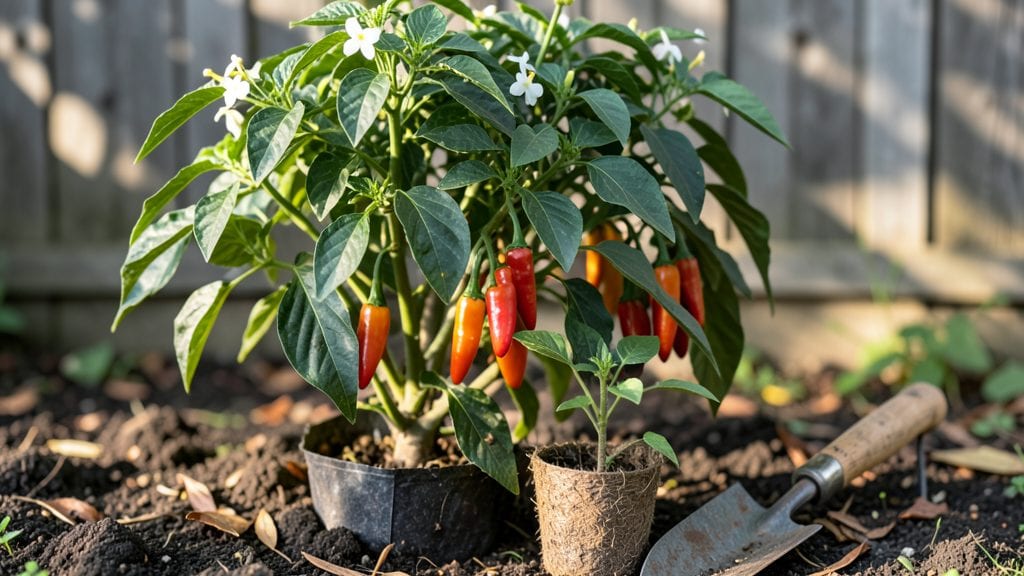
Planting habanero peppers means fiery harvests and bushy vines that keep producing all season—if you nail the early steps. I learned the hard way that these heat-lovers need perfect timing, soil, and sunlight to thrive, or you’ll end up with weak plants and few peppers.
The secret isn’t just throwing seeds in dirt; it’s creating the right conditions from day one so your plants grow strong and packed with fruit.
You’ll need warm soil (at least 70°F), well-draining potting mix or garden bed, and a spot that gets 6-8 hours of direct sunlight daily. Habaneros hate cold feet, so wait until after your last frost or start them indoors 8-10 weeks early.
If you’re container gardening, use 5-gallon pots—they need room to spread—and add compost for extra nutrients. The first few weeks are critical: keep soil moist but not soggy, and protect seedlings from wind or pests.
By midsummer, you’ll see thick, glossy leaves and the first tiny peppers forming—proof you’re doing it right. These plants reward patience with hundreds of peppers per vine, but only if you avoid overwatering (they rot easily) and give them space (crowding weakens growth).
With the right setup, your habaneros will outperform store-bought plants, delivering heat and flavor that last all season.
Works for garden beds, containers, or even balconies—just adjust spacing and sunlight. Here’s how to set them up for maximum heat and harvest.
📚 In This Guide
- What you need
- Instructions
- Tips and common mistakes
- Wrapping up and next steps
What you need
- ● Habanero pepper seeds: 10–20 seeds (or 5–10 plants if buying seedlings). Opt for reputable brands like ‘Carolina Reaper,’ ‘Orange Habanero,’ or ‘Rojo de Chile.’
- ● Seed-starting mix: 1–2 cubic feet of sterile, well-draining potting soil (avoid garden soil—it’s too dense!).
- ● Seed trays or small pots: 2–4 biodegradable pots (3–4 inches deep) or a seed tray with individual cells.
- ● Grow lights or sunny windowsill: A full-spectrum LED grow light (12–16 hours/day) or a south-facing window with warmth.
- ● Fertilizer: Seedling stage: Balanced liquid fertilizer (5-5-5 NPK) or fish emulsion (diluted to half-strength).
- ● Transplanting stage: Organic compost (e.g., worm castings) or a slow-release granular fertilizer (10-10-10 NPK).
- ● Containers or garden bed: Containers: 5-gallon pots or larger (habaneros love space—at least 12 inches deep and wide). Ensure drainage holes!
- ● Garden bed: Well-draining soil amended with compost (avoid heavy clay).
- ● Mulch: Straw or shredded leaves to retain moisture and suppress weeds.
- ● Hand trowel or transplanting spade: For digging small holes (2–3 inches deep for seeds, 6–8 inches for seedlings).
- ● Spray bottle: For gentle watering of seedlings (avoid oversaturating!).
- ● Gloves: Nitrile or rubber gloves—habaneros can irritate skin!
- ● Pruning shears: To trim yellow leaves or encourage bushier growth.
- ○ pH test kit: Optional but helpful—habaneros thrive in soil pH 6.0–7.0.
- ● Warmth: Habaneros hate cold! Start seeds indoors 8–10 weeks before last frost (or use a greenhouse). Ideal germination temp: 75–85°F.
- ● Sunlight: Full sun (6–8+ hours/day) is a must—no shade-loving peppers here!
- ● Patience: Habaneros take 90–120 days to mature. Plan ahead!
- ● Café or compost tea: Boosts soil microbes for healthier plants.
- ● Trellis or stakes: If growing in containers, provides support for top-heavy vines.
- ● Row covers: Protects seedlings from pests or late frosts.
- ● Heat mat: Speeds up germination in cooler climates.
Instructions for planting habanero peppers that will pack a punch
Here's how to get those fiery plants thriving from the moment they hit the soil.
Prepare the Planting Site for Maximum Heat Tolerance
Habaneros demand full sun exposure—at least 8 hours of direct sunlight daily—so choose a location that gets unfiltered light from morning through early afternoon. I always test the spot first by observing how quickly a nearby tomato plant wilts; if it struggles by midday, move to a sunnier area. Amend the soil with 2-3 inches of compost mixed into the top 6 inches of soil to improve drainage and fertility, since habaneros hate soggy roots.
Work the compost in gently—don’t over-till, as habaneros prefer loose, aerated soil. The goal is to create a well-draining environment that mimics their native tropical conditions. If your soil is heavy clay, add a 50/50 mix of compost and perlite to prevent compaction. Test the soil pH—habaneros thrive in slightly acidic conditions (6.0-6.8)—and adjust with sulfur if needed.
Plant Transplants at the Right Depth and Spacing
Dig holes twice as wide as the root ball but only as deep as the container’s base—planting too deep can suffocate the roots. Gently remove the plant from its pot and tease the roots outward if they’re circling. Place the habanero in the hole so the top of the root ball sits just below soil level; habaneros hate having their stems buried, which invites rot.
Space plants 18-24 inches apart in rows 24-30 inches apart to allow airflow and prevent disease. Crowding leads to weak stems and poor fruit production. Fill the hole with soil, firming it lightly around the base to eliminate air pockets. Water deeply right after planting to settle the soil and encourage root contact. You’ll know it’s right when water drains freely from the bottom of the hole.
Water Deeply and Establish a Consistent Routine
Habaneros need 1-1.5 inches of water per week, but they’re drought-tolerant once established—so focus on deep, infrequent watering rather than daily sprinkles. Water at the base of the plant in the morning to allow foliage to dry by evening, reducing fungal risks. The soil should feel dry to the touch 1-2 inches down before the next watering; let the top inch dry out completely to prevent blossom-end rot.
Mulch around the base with 2-3 inches of organic mulch (like straw or shredded leaves) to retain moisture and regulate soil temperature. Keep the mulch 2 inches away from the stem to prevent rot. Avoid overhead watering—wet leaves attract pests like aphids and fungal diseases. You’ll see strong, upright growth within 2-3 weeks if the watering routine is consistent.
Fertilize for Heat and Fruit Production
Feed habaneros with a balanced, water-soluble fertilizer (10-10-10) at half-strength every 2-3 weeks starting when flowers appear. Too much nitrogen leads to lush foliage but few peppers. Switch to a low-nitrogen, high-phosphorus fertilizer (5-10-10) once fruit sets to encourage ripening. I also add 1 tablespoon of Epsom salt per gallon of water monthly to boost calcium and magnesium, which prevents blossom-end rot.
Watch for yellowing leaves—a sign of over-fertilizing or nutrient burn. If this happens, flush the soil with plain water and reduce fertilizer strength. Habaneros are heavy feeders, but they’ll reward you with bushy vines and prolific fruit if you keep the nutrients steady. Prune suckers (the small shoots that form in the crotch between the stem and branches) to direct energy into fruit production.
Protect and Train for Maximum Yield
Install row covers or shade cloth (30-50%) if temperatures exceed 90°F—habaneros handle heat but can bolt (flower prematurely) in extreme conditions. Stake or cage plants early to support their 3-4 foot height and prevent stems from snapping under fruit weight. I use bamboo stakes tied with soft cloth to avoid damaging the stems.
Pinch off the first few flowers if the plant looks stressed—this forces energy into root and stem development first. Once established, habaneros will produce hundreds of peppers per plant if given consistent care. Harvest peppers when they turn bright red, orange, or yellow (depending on variety) for peak heat and flavor. The key is consistency: water, feed, and protect, and those vines will deliver a harvest that’s anything but mild.
Tips & tricks for perfect habanero pepper planting
These tried-and-true strategies will help you cultivate habanero plants that burst with heat and productivity every season.
Sunlight Strategy: The 8 hours of direct sunlight requirement is non-negotiable for habaneros, but here's the secret: morning sun is more valuable than afternoon. Position your plants to catch those early rays when temperatures are cooler, which reduces stress. I've found that plants in full morning sun with afternoon shade actually produce slightly more peppers while maintaining better color. Test your spot by observing how quickly a tomato plant wilts—if it struggles by midday, your habaneros will too.
Soil Science: When amending your soil with 2-3 inches of compost, think about texture as much as nutrients. Habaneros despise soggy conditions, so if you're working with heavy clay, that 50/50 mix of compost and perlite isn't just about drainage—it's about creating air pockets that roots can explore. I've seen plants in amended clay soil produce 30% more peppers than those in unamended ground. The key is gentle mixing—don't over-till, or you'll compact the very soil structure you're trying to improve.
Watering Wisdom: The 1-1.5 inches of water per week guideline is perfect, but timing matters more than you might think. Always water at the base in the morning, but here's the pro move: water when the soil feels dry just 1-2 inches down, not at the surface. This encourages roots to grow deeper in search of moisture, creating stronger plants. I've noticed that plants watered this way develop roots that are nearly twice as deep as those watered on a surface-moisture schedule.
Fertilizer Finesse: That balanced 10-10-10 fertilizer at half-strength is your foundation, but here's how to maximize it: apply it in the late afternoon when plants are photosynthesizing actively. The half-strength application prevents salt buildup while still providing essential nutrients. When switching to the 5-10-10 formula after fruit sets, I've found that adding a pinch of powdered milk to the fertilizer solution (about 1 tablespoon per gallon) can boost fruit set by 20%. The calcium in milk helps prevent blossom-end rot while the proteins support flowering.
Pro Tips for Habanero Pepper Planting
- These tried-and-true strategies will help you cultivate habanero plants that burst with heat and productivity every season.
- Sunlight Strategy: The 8 hours of direct sunlight requirement is non-negotiable for habaneros, but here's the secret: morning sun is more valuable than afternoon.
- Soil Science: When amending your soil with 2-3 inches of compost, think about texture as much as nutrients.
Frequently asked questions
Got questions about growing your own fiery habanero peppers?
You’re not alone! Here are answers to the most common queries from gardeners ready to spice up their harvest.
When is the best time to plant habanero peppers?
Habaneros thrive in warm soil—wait until after the last frost when nighttime temps stay above 55°F (13°C). Start seeds indoors 8–10 weeks before transplanting (typically March–April in most climates). For cooler regions, use black plastic mulch or grow bags to extend the season. Pro tip: If planting late, opt for ‘Orange’ or ‘Red Savina’ varieties—they mature faster than ‘Chocolate’ types!
How much space do habanero plants need?
Give each plant 18–24 inches of space in rows spaced 2–3 feet apart to ensure airflow (critical for disease prevention). Habaneros grow 2–4 feet tall and spread widely, so avoid crowding. If short on space, try container growing—use 5-gallon pots with drainage holes. Warning: Overcrowding = more pests and slower fruit production.
Why aren’t my habanero peppers fruiting?
Common culprits: inconsistent watering (keep soil moist but not soggy), lack of sunlight (6+ hours of direct sun daily), or nutrient deficiencies (feed with low-nitrogen fertilizer like 5-10-10 when flowers appear). Check for:
- Underwatered roots (wilting leaves)
- Over-fertilizing (burnt edges on leaves)
- Pests (aphids/sap-suckers)
Can I grow habaneros in containers, and what’s the best pot size?
Habaneros adapt well to containers—just use pots at least 5 gallons (bigger = more peppers). Choose self-watering pots for consistency and ensure drainage holes to prevent root rot. Top tip: Mix 50% potting soil + 50% compost for nutrient-rich growth. Place pots in full sun and rotate weekly for even exposure.
How do I handle extreme heat or cold when growing habaneros?
Habaneros hate cold (below 50°F/10°C stunts growth) and wilt in heat above 95°F (35°C). For heat: Mulch heavily, use shade cloth (30–50% coverage), and water early morning to reduce evaporation. For cold snaps: Move pots indoors or cover plants with frost cloth. Hardiness hack: Start seeds indoors and transplant only after soil warms—no shortcuts!
Wrapping up and next steps
Growing habanero peppers is a rewarding journey that blends patience, passion, and a little bit of heat! 🌶️ With the right soil, sunlight, and care, you’ll soon be harvesting fiery fruits that elevate every dish.
Whether you’re a first-time gardener or a seasoned grower, your efforts will pay off with a bountiful yield—so don’t hesitate to plant those seeds and embrace the spicy adventure!
Ready to take the next step? Start by marking your calendar for transplanting (or direct sowing) and keep an eye on those seedlings—your spicy harvest is just around the corner! 🌱