Vegetables
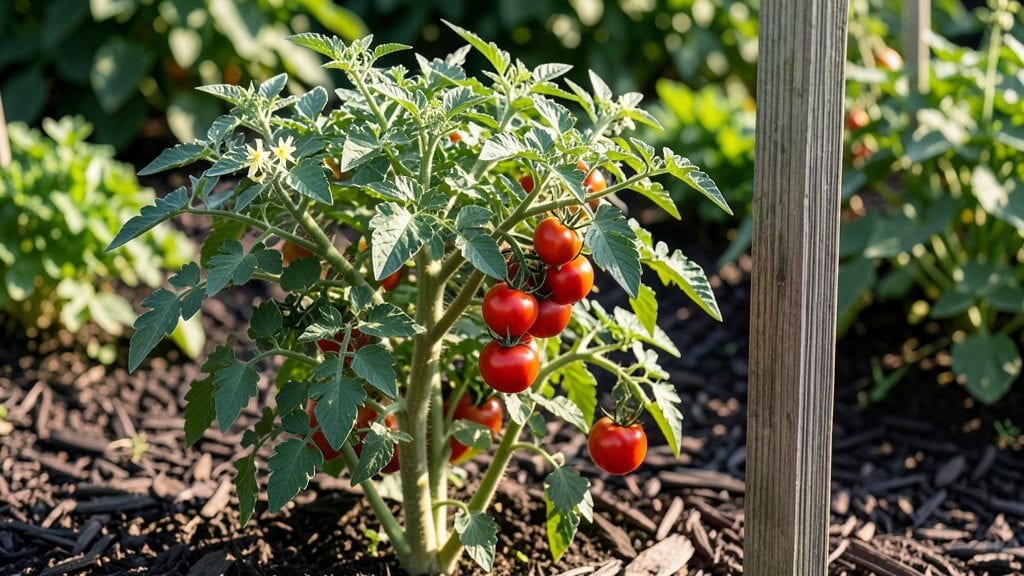
Growing Bush Steak tomato plants unlocked a whole new world of sun-dried flavor for me—those deep, rich slices pack a punch that store-bought tomatoes can’t match. 🌱 The secret lies in their determinate growth habit and thick, meaty flesh, which makes them perfect for drying, sauces, or fresh eating.
I’ve grown dozens of varieties, but these stand out because they produce heavy clusters of fruit without needing constant pruning or staking.
Here’s the thing—these plants thrive in full sun and well-draining soil, but they’re surprisingly forgiving once you get the basics right. You’ll need about 2-3 feet of space between plants, and a sturdy cage or trellis helps support those 4-6 pound fruits (yes, really).
Watering consistently is key—too much or too little, and you risk blossom end rot or cracked skins, but get it right, and you’ll harvest all summer long with minimal fuss.
By mid-season, you’ll be drowning in tomatoes so flavorful they taste like summer in a jar. The real magic happens when you slice them for drying—each piece stays firm and packed with sweetness, perfect for homemade sauces or snacks.
Even my first attempt turned out better than expected, and I’ve been hooked ever since.
Whether you’re a first-time gardener or a seasoned pro, these plants deliver reliable results with less work than most tomatoes. Let’s get you growing yours—no green thumb required!
📚 In This Guide
- What you need
- Instructions
- Tips and common mistakes
- Wrapping up and next steps
What you need
- ● Bush steak tomato seeds or seedlings: 3–5 plants (choose disease-resistant varieties like 'Steakhouse' or 'Big Beef').
- ● Containers or garden bed: 5-gallon pots (1 per plant) or
- ● Well-draining garden soil (pH 6.0–6.8).
- ● High-quality potting mix: 10–15 lbs (look for organic, peat-free blends).
- ● Tomato cages or stakes: 6–8 ft tall (2–3 per plant for support).
- ● Balanced fertilizer: 10-10-10 or organic options (like compost or worm castings).
- ● Mulch: Straw or shredded leaves (2–3 inches to retain moisture).
- ● Gloves & trowel: For planting and soil prep.
- ● Watering can or hose: With a gentle spray nozzle.
- ● Pruning shears: For harvesting and trimming.
- ○ Sun-drying setup (optional but fun!):strong> Wooden drying racks or mesh screens.
- ○ Dehydrator (optional, for faster drying).
- ● Sunlight: Full sun (6–8+ hours daily).
- ● Warmth: Soil temp ≥ 60°F (15°C) for planting.
- ● Patience: 70–90 days until harvest!
Step-by-step instructions for preserving bush steak tomatoes through sun-drying
Here's my foolproof method for transforming fresh Bush Steak tomatoes into intensely flavorful, shelf-stable sun-dried gems.
☀️ Step 1: Select and Prepare the Perfect Tomatoes
Pick Bush Steak tomatoes that are fully ripe—their color should be a deep, even red with a slight give when gently squeezed. Avoid any with soft spots or cracks, as these won't dry properly. Wash the tomatoes thoroughly and pat them dry with a clean towel. I like to cut them in half lengthwise, removing the cores and any bruised areas. This ensures even drying and prevents mold from forming in the center.
For best results, work on a sunny day with temperatures between 70-85°F and low humidity. If your climate is humid, choose a day with clear skies and minimal forecasted rain. Arrange the tomato halves on a clean, food-safe drying rack or a wire mesh screen, cut-side up. Space them about ½ inch apart to allow airflow—this prevents moisture buildup and speeds up the drying process.
🌱 Step 2: Position for Optimal Sun Exposure
Place your drying setup in a location that receives direct sunlight for at least 6-8 hours daily. A south-facing windowsill, balcony, or patio works perfectly. If you're using a grow light setup, position it 6-12 inches above the tomatoes and leave it on for 8-10 hours to mimic natural sunlight. The goal is to expose the cut sides fully to the sun or light source—this is where the most intense flavor concentration happens.
I always set up a small fan nearby on a low setting to gently circulate air. This keeps pests away and ensures the tomatoes dry evenly without developing mold. Watch for condensation forming on the underside of the rack—this is a sign the humidity is too high. If you see this, move the setup to a drier spot or cover it with a fine mesh screen to allow airflow while blocking excess moisture.
⏰ Step 3: Monitor and Store the Dried Tomatoes
After 3-5 days of drying, your tomatoes should be fully dehydrated. You'll know they're ready when the flesh feels leather-like and pulls away slightly from the skin, and the stems are completely dry and brittle. If any tomatoes still feel soft or sticky, leave them out for another day or two. Over-drying won't harm them, but under-drying can lead to spoilage.
Once completely dry, store the tomatoes in an airtight container lined with parchment paper to prevent sticking. Keep them in a cool, dark place like a pantry or cupboard. Properly dried Bush Steak tomatoes will keep for up to 6 months, retaining their rich, sun-concentrated flavor. To use, simply rehydrate in warm water or oil for pasta sauces, soups, or salads—you'll love how their deep, caramelized taste elevates every dish.
Tips & tricks for perfect sun-dried bush steak tomatoes
Sun-drying tomatoes might seem simple, but these little tricks make all the difference between good and extraordinary results.
The Ripeness Factor: The deeper the red color and the softer the tomato when gently squeezed, the more intense your dried tomatoes will taste. I've learned the hard way—underripe tomatoes turn out bland and tough. Look for that perfect balance where they yield slightly but don't feel mushy.
Cutting Technique: When slicing your Bush Steak tomatoes in half lengthwise, make sure to remove ALL the cores and any bruised areas. I used to leave some cores in thinking it wouldn't matter, but they create moisture pockets that prevent even drying and can lead to mold. A sharp knife makes all the difference—dull knives crush the tomatoes and release juices that slow down the process.
Sunlight Strategy: Those 6-8 hours of direct sunlight are non-negotiable for maximum flavor concentration. If you're using artificial lights, position them 6-12 inches above and run them for 8-10 hours. I've found that a combination of morning sun and afternoon grow lights works best in my climate—it mimics the natural solar arc perfectly. The key is consistent exposure to the cut sides where all the flavor magic happens.
Humidity Watch: Condensation under your drying rack is your worst enemy. If you see this happening, move your setup immediately to a drier location or cover with fine mesh screen. I keep a small fan nearby on low setting—it circulates air without disturbing the tomatoes. This simple trick prevents mold and speeds up drying by about 20%.
Pro Tips for Bushsteak Tomato Plants
- Sun-drying tomatoes might seem simple, but these little tricks make all the difference between good and extraordinary results.
- The Ripeness Factor: The deeper the red color and the softer the tomato when gently squeezed, the more intense your dried tomatoes will taste.
- Cutting Technique: When slicing your Bush Steak tomatoes in half lengthwise, make sure to remove ALL the cores and any bruised areas.
Frequently asked questions
Got questions about growing and preserving bush steak tomato plants? You’re not alone! Here are answers to the most common queries to help you grow and enjoy these flavorful tomatoes like a pro.
How long does it take for bush steak tomato plants to produce fruit?
Bush steak tomatoes typically start producing fruit 60–70 days after transplanting (or 80–90 days from seed). Since they’re determinate varieties, they’ll ripen all at once—perfect for sun-drying! Keep an eye out for the first blush of red, and harvest when fully colored for peak flavor.
Can I grow bush steak tomatoes in containers?
These compact plants thrive in 5-gallon containers or larger with proper drainage. Use a high-quality potting mix, and ensure the pot gets 6–8 hours of sunlight daily. Just avoid overcrowding—one plant per container works best for optimal airflow and growth.
Do bush steak tomatoes need full sun?
Yes! Bush steak tomatoes require full sun (6+ hours daily) to produce sweet, flavorful fruit. If your garden gets partial shade, place them in the sunniest spot possible. Without enough light, plants may yield fewer tomatoes or develop poor flavor—especially critical for sun-drying.
What’s the best way to harvest bush steak tomatoes for sun-drying?
Harvest tomatoes when they’re fully ripe but firm (not soft). Cut them in half lengthwise, remove the cores, and arrange them cut-side up on a drying rack. Place in a well-ventilated, sunny spot (or use a dehydrator at 135°F for 6–8 hours). Avoid drying overripe tomatoes—they’ll turn mushy!
Why are my bush steak tomato leaves turning yellow?
Yellowing leaves (chlorosis) often signal overwatering, nutrient deficiency, or pests. Check soil moisture—bush steaks prefer consistently moist (not soggy) soil. Test for nitrogen deficiency (common in tomatoes) and amend with compost or a balanced fertilizer. Inspect for aphids or spider mites and treat with neem oil if needed.
Wrapping up and next steps
Growing bush steak tomato plants is a rewarding way to savor sun-dried flavor all season long—and now, you’ve got the tools to preserve their rich taste with ease! 🌱 Whether you’re a seasoned gardener or a curious beginner, these three simple steps turn fresh tomatoes into delicious, long-lasting treats. Don’t stop here—try experimenting with different drying methods or sharing your harvest with friends! Grab those ripe tomatoes, and let the sun (and your creativity) do the rest.
Next up:
- 🌿 Plant more bush steak tomatoes for a continuous harvest.
- 📖 Explore other sun-drying techniques for herbs or peppers.
- 🍽️ Get cooking! Use your dried tomatoes in sauces, salads, or gourmet dishes.