
Aphids
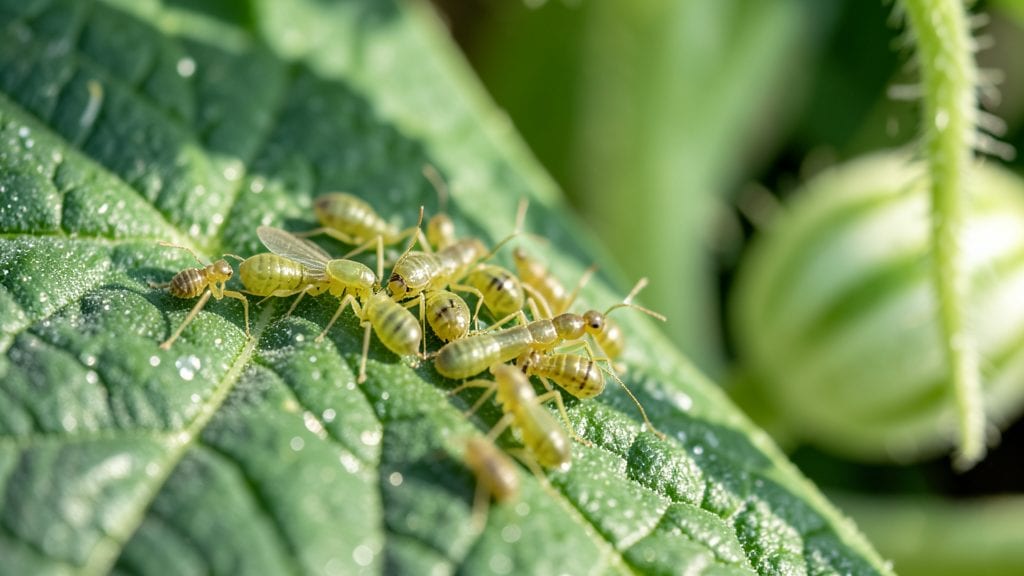
Aphids on watermelon plants can turn your harvest into a sticky, curled mess in days—unless you act fast. 🌿 I’ve battled these tiny green invaders for years, and the right organic spray stops them cold within hours, saving both your plants and your sanity.
The key isn’t just spraying; it’s hitting them at the right stage and using what they hate most.
Most gardeners grab the wrong solution—soapy water or neem oil alone won’t cut it if the infestation’s already heavy. What works? A two-pronged mix of insecticidal soap and horticultural oil, applied at dawn when aphids are sluggish.
You’ll see them drop off within 2-3 hours, and the plants start looking fresh again by evening. The secret’s in the timing and the blend.
By the next morning, your watermelons will be free of that sticky residue, and new growth will be crisp and vibrant instead of puckered. The spray doesn’t just kill aphids—it keeps them from returning for weeks, so you’re not stuck in a cycle of spraying every few days.
Plus, it’s safe for bees and other pollinators if used correctly.
This method works for squash, cucumbers, and other melons too, but watermelons are the worst offenders. Here’s how to make it work without harming your plants or the ecosystem—and why early action makes all the difference.
Root Causes of Watermelon Aphids
Aphids don’t just randomly appear on your watermelon plants—they’re drawn by specific conditions that make your garden a prime buffet. Understanding these triggers helps you prevent outbreaks before they start. Here’s why these tiny pests target your watermelons like a magnet:
Aphids thrive where plants are already struggling. Watermelon plants become vulnerable when:
- Nutrient deficiencies: Low nitrogen (💡 symptoms: yellowing leaves, stunted growth) or phosphorus weakens plant defenses. Aphids detect stressed plants through volatile organic compounds (VOCs) released during stress.
- Overcrowding: Dense foliage traps humidity, creating ideal aphid breeding grounds. Poor airflow also slows recovery from minor damage.
- Root damage: Compacted soil or poor drainage stress roots, reducing the plant’s ability to fight pests. Aphids exploit this by feeding on sap, which is easier to access in weakened plants.
Actionable fix: Test soil pH (ideal: 6.0–6.8) and amend with compost. Thin plants to 2–3 feet apart for airflow.
Aphids are sap-sucking specialists, and watermelon plants produce high-sugar sap—especially when:
- Plants are over-fertilized with nitrogen: Excess N promotes lush growth but dilutes defensive compounds like phenolics, making sap sweeter and easier to extract.
- New growth emerges: Young leaves and stems have thinner cell walls, offering aphids easy access to phloem (the plant’s food highway).
- Plants are water-stressed: Mild drought triggers osmotic pressure changes, increasing sugar concentration in sap—a aphid dinner bell.
Actionable fix: Use a balanced fertilizer (e.g., 10-10-10) and water deeply 1–2 times weekly to avoid stress.
Aphids don’t fly far, but they hitchhike on:
- Ants: These "aphid farmers" protect colonies in exchange for honeydew (aphid waste). Ant trails to watermelon plants signal aphids to move in.
- Beetles, flies, and wind: Adult aphids or their eggs can be blown onto plants from nearby infested crops (e.g., squash, melons, or weeds like milkweed).
- Garden tools & hands: Contaminated pruners or gloves unknowingly transfer aphids between plants.
Actionable fix: Inspect new plants for aphids before transplanting. Use double-sided tape traps near plants to catch flying pests.
Aphids reproduce exponentially in heat. Here’s how climate plays a role:
| Factor | Why It Helps Aphids | Optimal Aphid Activity Range |
|---|---|---|
| Temperature | Warmth (60–85°F) speeds up their asexual reproduction—a single aphid can produce 50 offspring in 30 days! | 65–75°F (peak breeding) |
| Humidity | High moisture slows natural predators (like ladybugs) and keeps aphids hydrated. | >60% humidity |
| Rainfall | Washes away beneficial insects (e.g., lacewings) but leaves aphids unharmed on plants. | Light, frequent rains |
Actionable fix: Mulch with straw to regulate soil temp and reduce humidity near foliage. Prune lower leaves to improve airflow.
Some plants attract aphids away from watermelons, while others draw them closer. Avoid planting near:
- Weeds like dandelions or milkweed: These act as aphid "nurseries," releasing chemicals that mask watermelon defenses.
- Legumes (e.g., peas, beans): Their high-protein sap nourishes aphids, increasing local populations.
- Fruit trees (e.g., apple, pear): Aphids on these trees can migrate to watermelons via wind or insects.
Actionable fix: Plant aphid-repelling companions like marigolds, basil, or garlic nearby to disrupt their scent trails.
Quick Fixes for Watermelon Aphids
Aphids on your watermelon plants don’t have to mean the end of your harvest! With the right approach, you can tackle these tiny pests effectively—often in just a few hours or days.
Below, we’ve broken down the best solutions based on the root cause of your aphid problem, from overcrowded plants to weak natural defenses. Each fix is practical, easy to implement, and designed to restore your watermelons to their healthy, thriving selves.
If your watermelon plants are packed too closely together, aphids have a cozy hideout with easy access to sap. Loosen their grip with these steps:
- 🍳 Prune for Airflow Trim back any overgrown vines or leaves that are touching neighboring plants. Aim for 6–12 inches of space between plants to reduce humidity and aphid hotspots. Focus on the undersides of leaves—aphids love to cluster there!
- 👨🍳 Thin Out Seedlings Early If you’re growing from seed, thin seedlings to 1–2 feet apart once they sprout their first true leaves. Crowded young plants attract aphids faster, so act early to prevent infestations.
- 🌿 Mulch Strategically Apply a 2–3 inch layer of organic mulch (straw, grass clippings, or wood chips) around the base of plants. This blocks aphids from crawling up from the soil and improves drainage, which aphids hate.
Aphids target stressed watermelons like vultures at a buffet. Boost your plants’ resilience with these organic fixes:
- 💡 Fertilize with Potassium & Phosphorus Aphids love weak plants, so give your watermelons a balanced fertilizer (like 5-10-10) or a compost tea to strengthen their defenses. Avoid nitrogen-heavy feeds—too much makes plants soft and aphid-magnets!
- 🌡️ Water at the Right Time Water deeply at the base in the early morning (not overhead). Wet leaves for long periods create the perfect aphid party zone. Use a soaker hose to keep foliage dry.
- ✨ Introduce Beneficial Insects Ladybugs, lacewings, and parasitic wasps are aphid predators. Buy them online or attract them with dill, fennel, or marigolds planted nearby. Release them in the early evening when aphids are least active.
If your plants are already covered in aphids, act fast with these high-impact, organic sprays that work in hours:
- 🚰 Blasting Aphids Off Fill a garden sprayer with water and a drop of dish soap (like Dawn). Spray directly on aphid clusters until they’re dislodged. Repeat every 2–3 days until gone. Pro tip: Add 1 tsp of neem oil for extra pest-repelling power!
- 🍋 Homemade Garlic & Chili Spray Mix 1 chopped garlic clove + 1 tbsp cayenne pepper + 1 quart water. Let it steep for 24 hours, then strain and spray on affected leaves. Aphids hate the smell and burn—reapply every 5–7 days.
- 🌿 Neem Oil Treatment (Best for Heavy Infestations) Combine 1 tbsp neem oil + 1 tsp mild soap + 1 quart water. Shake well and spray evenly on all leaf surfaces, including undersides.
Neem disrupts aphid life cycles and stops them from reproducing. Warning: Apply in early morning or late evening to avoid harming bees.
Once you’ve banished the aphids, lock them out for good with these habits:
- 🌱 Plant Companion Crops Aphids avoid basil, mint, and nasturtiums. Interplant these around your watermelons to confuse pests naturally.
- 🧹 Clean Up Debris Remove fallen leaves, old vines, and weeds regularly—aphids hide in these spots and multiply.
- 🔍 Inspect New Plants Before bringing home seedlings or transplants, rinse them under water and check for hidden aphids. A few stragglers can turn into an army overnight!
- 🕰️ Rotate Crops If you grow watermelons yearly in the same spot, rotate to a new area every 2–3 years. This breaks aphid life cycles tied to the soil.
By addressing the why behind your aphid problem, you’re not just treating symptoms—you’re building a fortress your watermelons can’t be breached. Try one (or all!) of these methods, and watch your plants bounce back in no time. 🚀
Frequently asked questions
Why do aphids love watermelon plants more than other veggies?
Watermelons produce high-sugar sap, which aphids adore like a candy buffet! Their tender new growth also makes it easy for aphids to pierce stems and feast. Unlike tougher plants, watermelons offer both a sweet reward and weak defenses when stressed.
Will neem oil kill aphids instantly?
No—neem oil disrupts aphid life cycles over time, not instantly. For fast results, mix it with insecticidal soap and spray at dawn when aphids are sluggish. You’ll see them drop within 2-3 hours, but repeat every 5-7 days to prevent regrowth.
Can I use dish soap alone to remove aphids?
Yes, but it’s a short-term fix. A 1 tsp dish soap + 1 quart water spray blasts aphids off leaves, but they may return unless you also address the root cause (like overcrowding or nutrient deficiencies). For lasting results, combine it with neem oil or garlic spray.
How do I know if aphids are damaging my watermelon harvest?
Watch for sticky honeydew on leaves (aphid waste) and curled, yellowing foliage. Severe infestations can stunt growth and attract sooty mold (black fungus). Check undersides of leaves—that’s where aphids hide in droves!
Are ladybugs the best natural aphid control?
Ladybugs are great, but they’re not the only solution! Lacewings and parasitic wasps also hunt aphids. For best results, plant dill or fennel nearby to attract them, then release them at dusk when aphids are least active. Combine with organic sprays for faster results.