Companion Plants
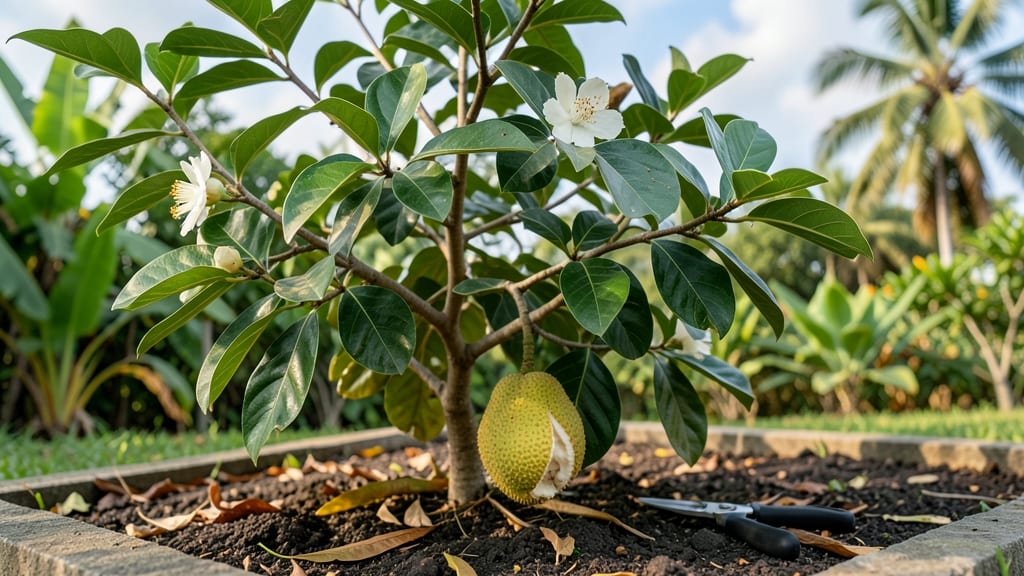
Growing custard apple plants (Annona reticulata or Annona squamosa) means tropical sweetness on your doorstep—if you nail the right conditions. ✨ I’ve wrestled with these finicky trees, and the difference between a thriving orchard and a sad sapling comes down to soil, sunlight, and patience.
These aren’t the kind of plants you can neglect, but with the right approach, you’ll end up with fragrant, custard-like fruit that tastes like dessert.
The key starts with soil that’s rich, well-draining, and slightly acidic—think of a mix that holds moisture but never stays soggy. Custard apples crave 6+ hours of direct sun daily, so pick a spot where they’ll soak up warmth without afternoon shade burning their leaves.
Propagating from seeds is cheap but slow; grafting speeds up fruit production if you’re serious about harvests. Water deeply once a week, then let the top inch dry out—overwatering is their Achilles’ heel.
By summer, you’ll see glossy new leaves and maybe even a few small fruits forming. Prune in late winter to shape the tree and remove dead branches, and watch how the branches fill in with lush, tropical foliage.
The first harvest might take 2-3 years, but once these trees get established, they’ll reward you with pound after pound of creamy fruit—worth every bit of effort.
Works best in USDA zones 10-11, but container growing extends their range to warmer microclimates. If you’re in a cooler zone, treat them like houseplants in winter and bring them indoors before frost. Here’s how to keep them happy year-round—no tropical vacation required.
📚 In This Guide
- What you need
- Instructions
- Tips and common mistakes
- Wrapping up and next steps
What you need
- ● Custard apple seeds or saplings: 1–3 (seeds take longer to fruit; grafted saplings yield faster).
- ● Well-draining potting mix: 5–10 gallons (blend 60% coconut coir, 20% perlite, 20% compost).
- ● Large containers or nursery beds: 15–20 gallons per plant (minimum 24-inch depth).
- ● Organic fertilizer: Balanced 10-10-10 or citrus-specific blend (start with 1 tbsp per plant).
- ● Slow-release mulch: Wood chips or straw (2–3 inches to retain moisture).
- ● Drip irrigation or hose: For consistent watering (avoid overhead spray).
- ● Pruning shears: Sharp, sterilized (for shaping and harvesting).
- ○ Grafting tools (optional): Grafting knife and grafting tape (if propagating grafts).
- ● pH tester: To monitor soil acidity (ideal range: 5.5–6.5).
- ○ Sunlight meter (optional): Ensures 6+ hours of direct sun daily.
- ● Support stakes or trellis: For young saplings (if needed for windy areas).
- ● Warm climate: USDA Zones 10–11 (or greenhouse/indoor growing elsewhere).
- ● Patience: Seedlings take 3–5 years to fruit; grafts may fruit in 1–2 years.
- ○ Pollination assistance (optional):
Instructions for growing custard apple trees from seedlings
Here's the foolproof method I've used to establish healthy custard apple trees that thrive in warm climates.
🌱 Step 1: Select and Prepare the Planting Site
Custard apple trees need well-draining soil with a pH between 6.0 and 7.5. I always test the soil first using a simple pH kit—this tropical fruit tree won't tolerate soggy roots. Choose a location with partial shade during the hottest afternoon hours, especially in regions where temperatures exceed 90°F. The tree will handle full sun in cooler climates, but too much direct heat causes fruit to scorch.
Dig a hole twice as wide as the root ball but only as deep as the container's base. This prevents burying the graft union (if using a grafted tree) or the trunk flare (for seed-grown plants). Loosen the sides of the hole with a shovel to encourage root spread. If your soil is heavy clay, mix in 2-3 inches of compost into the bottom of the hole to improve drainage.
🪴 Step 2: Transplant the Seedling Carefully
Remove the seedling from its container and gently tease apart any circling roots with your fingers—this prevents girdling as the tree matures. Place the root ball into the hole so the top of the root flare sits 1 inch above ground level. Backfill with native soil, tamping lightly every 2 inches to eliminate air pockets without compacting the roots.
Form a 2-inch high berm around the base to catch water during irrigation. Water deeply until moisture reaches 12 inches down, then let it soak in completely. You'll know it's right when water runs out the bottom of the hole. Mulch with 3 inches of organic mulch, keeping it 6 inches away from the trunk to prevent rot.
☀️ Step 3: Establish a Watering and Fertilizing Routine
For the first 30 days, water twice weekly—deeply enough to moisten the soil to 12 inches. After that, shift to weekly deep waterings unless your region experiences consistent rainfall. Custard apple trees are drought-tolerant once established, but young plants need consistent moisture to develop strong root systems. You'll see new growth within 4-6 weeks if the roots are happy.
Apply a balanced 10-10-10 fertilizer at half-strength when the tree is 3 months old, then again in 6 months. Avoid high-nitrogen fertilizers—they promote leafy growth at the expense of fruit production. I always fertilize in early spring just as new shoots emerge, and again in mid-summer to support flowering.
✂️ Step 4: Prune for Shape and Airflow
Prune in late winter or early spring before new growth begins. Remove any dead, diseased, or crossing branches first—these compete with the tree for energy. Thin the canopy to allow sunlight to reach the center, where most fruit develops. Aim for an open, vase-like shape with 3-5 main scaffold branches spaced evenly around the trunk.
Never remove more than 25% of the foliage in one pruning session. You'll see improved fruit set the following year if you maintain good airflow—this reduces humidity around the fruit, preventing fungal issues. Sterilize your pruning tools with rubbing alcohol between cuts to prevent spreading disease.
🌿 Step 5: Monitor for Pests and Fruit Development
Check the tree weekly for signs of scale insects, mealybugs, or spider mites—common pests in tropical fruit trees. Wipe leaves with a soapy water solution (1 tsp mild dish soap per gallon of water) if you spot sticky residue or tiny webs. For severe infestations, apply neem oil every 7 days until pests disappear.
Fruit typically appears 2-3 years after planting, but you can encourage earlier production by hand-pollinating flowers with a small brush. Harvest when the fruit is fully colored and slightly soft to touch—this usually happens in late summer to early fall in tropical climates. Store harvested fruit at room temperature for up to 5 days or refrigerate for 10 days to extend freshness.
Tips & tricks for perfect custard apple tree growth
These essential tips will help you avoid common pitfalls and maximize your tropical fruit tree's potential from day one.
Soil Preparation Secret: In Step 1, don't just dig the hole—test your soil's pH first. Custard apple trees thrive in that 6.0-7.5 range, and clay soil needs extra attention. I've seen trees fail within months when planted in unamended heavy clay. Mix that 2-3 inches of compost thoroughly into the bottom of the hole, especially if your soil is dense. This creates the perfect foundation for root development.
Root Care Technique: When transplanting in Step 2, circling roots are your enemy. I learned this the hard way after watching a seedling's roots strangle itself as it grew. Gently separate those roots with your fingers before placing the tree in its permanent home. Also, that 1-inch above ground level positioning isn't just arbitrary—it prevents water from pooling against the trunk, which leads to rot. Use a level to ensure perfect placement.
Watering Wisdom: The 12-inch deep watering in Step 3 requires patience. Don't just give it a quick sprinkle—you want moisture to reach down that far. I use a soil probe to check depth after watering. For the first 30 days, this frequent watering helps establish roots, but after that, let the soil dry slightly between waterings. Overwatering is just as damaging as underwatering for these tropical trees.
Pruning Precision: In Step 4, when shaping your tree, focus on creating that open vase shape. I always make my cuts just outside the branch collar—the swollen area where the branch meets the trunk. This promotes faster healing and prevents disease entry points. And remember, those 3-5 main scaffold branches should be spaced evenly around the trunk. Uneven spacing leads to weak structural points that can snap during storms.
Pro Tips for Custard Apple Plants
- These essential tips will help you avoid common pitfalls and maximize your tropical fruit tree's potential from day one.
- Soil Preparation Secret: In Step 1, don't just dig the hole—test your soil's pH first. Custard apple trees thrive in ...
- Root Care Technique: When transplanting in Step 2, circling roots are your enemy. I learned this the hard way after w...
Frequently asked questions
Got questions about growing custard apple plants? You’re not alone! Here are some of the most common queries—plus straightforward answers to help you cultivate these tropical delights with confidence.
What’s the best climate for custard apple trees?
Custard apple plants thrive in tropical and subtropical climates (USDA Zones 10-12) with warm temperatures (70–90°F) and high humidity. They struggle in frost or below 50°F—consider container growing if you live in cooler zones to move them indoors during winter!
How long does it take for custard apple trees to bear fruit?
Patience is key! Most custard apple trees take 3–5 years to bear fruit from seed, but grafted trees (available at nurseries) can fruit in just 1–2 years. Choose grafted varieties like ‘Sugar Apple’ or ‘Cherimoya’ for faster rewards.
Why aren’t my custard apple leaves turning green?
Yellow or pale leaves often signal nutrient deficiencies (like nitrogen or magnesium) or overwatering. Check soil moisture—let the top 2 inches dry out between waterings—and fertilize with a balanced tropical plant food (e.g., 6-6-6 NPK) every 2–3 months. Pro tip: Mulch to retain moisture and prevent root stress!
Can I grow custard apple trees in containers?
Use a large pot (at least 20–24 inches wide) with well-draining soil (mix potting soil with perlite or coconut coir). Place in full sun and repot every 2–3 years. Dwarf varieties like ‘Mexican Custard Apple’ are ideal for containers. Just ensure it gets regular watering and occasional pruning to control size.
What pests should I watch for on custard apple plants?
Common culprits include aphids, mealybugs, and scale insects, which suck sap and weaken the tree. Treat infestations early with neem oil or insecticidal soap. Preventative tip: Encourage beneficial insects like ladybugs and keep the area around the tree clean to deter pests.
Are custard apple seeds viable for growing?
Yes, but expect unpredictable results—seeds may not produce fruit identical to the parent plant. For consistent fruit, buy grafted trees from reputable nurseries. If starting from seed, soak them in warm water for 24 hours before planting to improve germination (takes 2–4 weeks in warm soil).
Wrapping up and next steps
Growing custard apple plants is a rewarding journey that brings exotic flavors and lush greenery to your space! With the right companion plants, soil care, and a little patience, you’ll soon enjoy a year-round harvest of sweet, creamy fruit. 🌿✨
Now that you’re armed with the essentials—from materials to troubleshooting—it’s time to roll up your sleeves and plant! Start small, monitor your tree’s progress, and don’t hesitate to experiment with companion plants or growing techniques. Happy gardening, and may your custard apple tree thrive! 🌱🍈