Picking
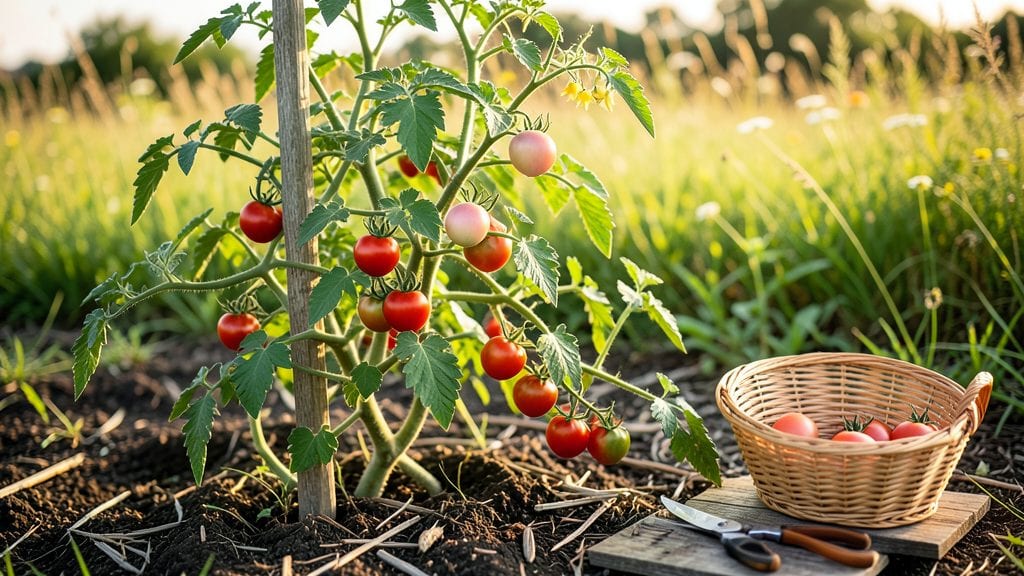
Nothing compares to the moment when your tomato plant harvesting begins, that first ripe fruit bursting with summer’s promise—this is why we garden. 🌱 I’ve learned the hard way that harvesting at the wrong moment means flavor that’s dull, mealy, or even bitter, no matter how perfect the plant looked all summer.
Timing is everything, and it’s simpler than you think. You’ll need a sharp knife or pruners, a basket for the haul, and a little patience—because the best tomatoes don’t rush.
The key signs are color (fully vibrant, not green-tinged), firmness (gentle pressure should yield, not squish), and that sweet, floral scent near the stem. Even experienced growers miss these cues sometimes.
Once you pick, handle them like treasure: avoid bruises, keep them stem-side up, and store them at room temperature until they’re ready to eat. A properly harvested tomato stays juicy and flavorful for days—sometimes even weeks—if you treat it right.
The first bite after a perfect harvest? That’s the real reward.
This method works for slicers, romas, and heirlooms alike, whether you’re growing in containers or a full garden bed. Let’s make sure every tomato you grow tastes like summer at its peak.
📚 In This Guide
- What you need
- Instructions
- Tips and common mistakes
- Wrapping up and next steps
What you need
- ● Harvesting tools: Pruning shears or harvesting scissors (with sharp, clean blades) – 1 pair (or more if harvesting multiple plants)
- ○ A small knife or pruning saw (for thicker stems) – 1 optional
- ● Gloves (nitrile or garden gloves) – 1 pair (to protect hands from thorns and dirt)
- ● Containers for harvesting: Large baskets, buckets, or mesh produce bags (to avoid bruising fruit) – 2-3
- ○ Small cloth or paper bags (for delicate varieties like cherry tomatoes) – optional
- ● Storage solutions: Wooden crates or ventilated boxes (for post-harvest storage) – 1-2
- ● Paper towels or absorbent cloths (to wipe stems and remove dirt) – 1 roll
- ● Weather check: Harvest on a dry, sunny morning (avoid wet or rainy days to prevent disease).
- ● Time of day: Pick tomatoes when they’re cool but not cold (early morning is ideal).
- ○ Optional but helpful: A small spray bottle with water (to mist delicate tomatoes if needed).
- ● Labels and markers (to tag heirloom or specialty varieties).
- ● A sharpie or permanent marker (for labeling storage containers).
Step-by-Step guide to harvesting tomatoes at peak flavor
Timing and technique make all the difference—here's how to pick tomatoes so they burst with sweetness.
🍅 Step 1: Learn the Visual and Touch Cues for Ripeness
Harvest tomatoes when they're fully colored and slightly soft to the touch. For red varieties, look for deep, even color from stem to blossom end—no green shoulders. Yellow tomatoes should be a rich gold hue, and heirlooms like Brandywine develop their signature pink or striped patterns fully.
Gently squeeze the tomato near the stem. A ripe one yields slightly but doesn't feel mushy. This firmness means the sugars have concentrated perfectly. I always check the bottom first—if the tomato separates easily from the vine when twisted gently, it's ready. Wait too long, and you'll get mealy, overripe fruit that lacks flavor.
☀️ Step 2: Time Your Harvest for Maximum Sweetness
Morning is ideal because tomatoes cool overnight, making them firmer and less prone to bruising. The sun hasn't softened them yet, so they hold their shape better during transport. If you must pick in the afternoon, harvest only what you'll use immediately—hot sun makes tomatoes more fragile.
Don't wait until every tomato on the vine is ripe. Most varieties ripen unevenly, so harvest as they reach peak. This encourages the plant to produce more fruit. I pick my cherry tomatoes every 2-3 days in peak season—they ripen so fast that waiting means missing the sweetest window.
✂️ Step 3: Use the Right Technique to Avoid Damaging Plants
Never pull tomatoes from the vine—this can tear the stem and damage the plant. Instead, use clean pruning shears or your fingers to twist gently until the tomato separates naturally. Hold the fruit firmly and turn it while applying slight pressure. You'll hear a soft pop when it's ready to come off.
Leave the stem attached to the tomato—it protects the fruit during storage and ripening. Cutting it off exposes the flesh to air, speeding up spoilage. After harvesting, place tomatoes stem-side down in a single layer on a tray. This prevents bruising and lets them ripen evenly if they weren't fully colored when picked.
🌿 Step 4: Handle and Store for Continued Ripening
Green tomatoes need warmth to ripen—place them in a paper bag with a banana or apple for 3-5 days at room temperature. The ethylene gas from the fruit speeds up color change. Check daily and remove any that start turning color so they don't over-ripen and become mushy.
Once fully ripe, store tomatoes at 55-65°F in the refrigerator for up to 1 week. Never wash them before storing—moisture speeds up spoilage. For best flavor, eat them at room temperature within 3-4 days of refrigeration. The longer they sit cold, the more their texture breaks down.
⏰ Step 5: Know When to Let Tomatoes Stay on the Vine
Some varieties improve in flavor when left on the vine longer. Heirlooms like Black Krim or Cherokee Purple develop deeper sweetness if they ripen fully outdoors. Watch for the first frost in your area—unripe tomatoes won't ripen after being chilled, so harvest them green and ripen indoors if needed.
If a tomato splits open before ripening, pick it immediately. Split fruit won't recover and will rot quickly. The best way to prevent splitting is consistent watering—keep soil evenly moist but not soggy. Mulch around plants to maintain steady moisture levels, which reduces stress on the fruit as it grows.
Tips & tricks for perfect tomato plant harvesting
Mastering the art of tomato harvesting transforms ordinary fruit into flavor explosions—here's how to elevate every tomato you pick.
Visual Cues Matter: In Step 1, pay special attention to the blossom end—the part closest to the vine. This is where tomatoes often ripen first and can reveal their true color before the rest of the fruit changes. For heirlooms with striped patterns, look for the full development of those colors all the way around the tomato. I've learned the hard way that green shoulders on red tomatoes mean waiting too long—those areas never fully ripen and create an unpleasant contrast in texture.
Timing Secret: The 2-3 day harvesting window in Step 2 is non-negotiable for cherry tomatoes. Their sugar content peaks at this frequency, and waiting just one extra day can mean the difference between vibrant, juicy fruit and mealy, watery tomatoes. For larger varieties, you can stretch this to 3-4 days, but check them daily. I keep a small basket by my garden door and make it a habit to check my plants first thing in the morning—this morning routine has saved me from countless overripe tomatoes.
Plant Care Technique: When you hear that satisfying pop in Step 3, you're doing it right—but don't stop there. After harvesting, give your plants a quick inspection. Remove any yellowing leaves and check for pests. Healthy plants produce better tomatoes, and this is your chance to give them a little maintenance while you're already working in the garden. I've noticed my plants reward this attention with more consistent fruit production throughout the season.
Storage Wisdom: The 55-65°F storage range in Step 4 is your flavor safeguard. While this might seem like a narrow window, it's actually quite forgiving in practice. If your fridge runs cooler, simply remove tomatoes 30 minutes before serving to let them warm up slightly—the flavor difference is remarkable. And remember, that stem you left attached? It's not just for show—it actually helps maintain moisture and prevents the tomato from drying out during storage.
Pro Tips for Tomato Plant Harvesting
- Mastering the art of tomato harvesting transforms ordinary fruit into flavor explosions—here's how to elevate every tomato you pick.
- Visual Cues Matter: In Step 1, pay special attention to the blossom end—the part closest to the vine.
- Timing Secret: The 2-3 day harvesting window in Step 2 is non-negotiable for cherry tomatoes.
Frequently asked questions
Got questions about harvesting your tomato plants? You’re not alone! Here are answers to the most common queries to help you pick at the perfect moment and enjoy the best flavor.
When is the best time of day to harvest tomatoes?
Harvest tomatoes in the morning after the dew has dried but before the heat of the day sets in. This ensures they’re cool, firm, and packed with flavor. Avoid picking during peak sun hours—tomatoes can overheat and lose quality quickly. Pro tip: If you must harvest midday, store them in the shade for a few hours before eating or processing.
How do I know when tomatoes are fully ripe for picking?
Look for these signs: color (deep red, yellow, or purple, depending on the variety), texture (slightly soft to the touch, not hard or mushy), and stem separation (the tomato should pull away from the vine easily). If it resists, it’s not ready yet! For heirloom or green tomatoes, check the variety’s specific ripening traits—some never turn fully red.
What should I do if my tomatoes split before they’re fully ripe?
Splitting happens due to uneven watering (too much after a dry spell) or overripe fruit. If it’s minor, pick the tomato immediately and use it in sauces or salsas—cooking helps thicken the texture. For severe splits, remove the damaged fruit to prevent pests or disease. To avoid splitting in the future, mulch your plants, water consistently, and harvest overripe tomatoes promptly.
Can I still harvest tomatoes if they fall to the ground?
Yes! Ground tomatoes are still edible, but they may be overripe or bruised. Check for soft spots, mold, or pests—discard any that look spoiled. Use fallen tomatoes right away in recipes like soups, stews, or sauces. To reduce waste, harvest frequently and pick gently to avoid dropping fruit. If your tomatoes are prone to falling, consider staking or caging plants for better support.
What’s the difference between harvesting green vs. ripe tomatoes?
Ripe tomatoes
are sweeter, juicier, and best for fresh eating or salads. Green tomatoes (unripe) are firmer and tangier, ideal for frying, pickling, or cooking into chutneys. If frost threatens before your tomatoes ripen, harvest green ones and store them in a cool, dark place (like a paper bag with a banana) to ripen indoors. For heirloom varieties, green tomatoes are often the only option—embrace their unique flavor!
Wrapping up and next steps
Harvesting your tomato plants at the right time ensures juicy, flavorful fruits that reward all your hard work! 🍅 Remember to pick when tomatoes are fully colored, firm, and slightly soft to the touch—this guarantees peak taste and encourages more production.
With the right tools and techniques, you’ll enjoy a bountiful harvest that’s perfect for salads, sauces, or fresh eating.
Now that you’re equipped with the know-how, grab those pruners and get ready to savor the fruits of your labor! Ready for the next step? Try experimenting with different tomato varieties or preserving your harvest through canning or drying. Happy harvesting! 🌱