Planting
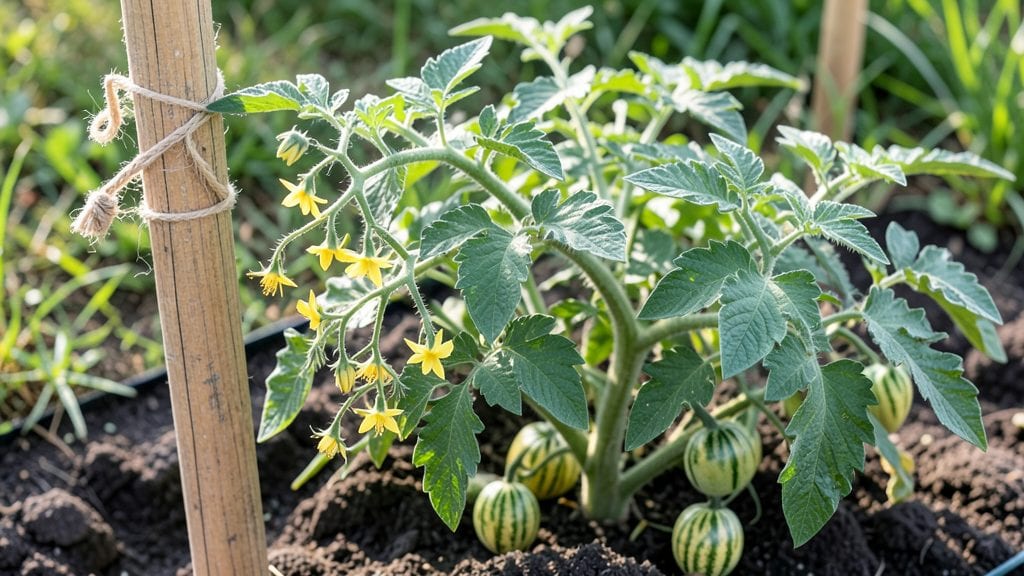
Growing striped tomato plants turns your garden into a living work of art while packing serious flavor into every bite. 🌱 These tomatoes aren't just pretty—they deliver sweet, tangy fruit with vibrant stripes that make your harvest the talk of the neighborhood.
The key is matching their bold looks with the right care, from sunlight to pruning, so they reward you with both beauty and bounty.
Here's the thing—striped tomatoes thrive in full sun, so pick the sunniest spot you've got, and make sure the soil drains well. They love rich, slightly acidic soil mixed with compost, and watering deep once a week beats light daily sprinkles.
Prune regularly to keep air flowing, and watch those striped beauties transform from seedlings into productive plants by midsummer.
By late summer, you'll be harvesting fruit that's as stunning as it is delicious—think deep red with crisp white or yellow stripes. The flavor? A perfect balance of sweet and tart that keeps you reaching for more.
Just watch for early blight and keep those leaves dry to avoid trouble, and you'll enjoy a harvest that's both a feast for the eyes and the palate.
These tomatoes grow best in zones 4-10, so whether you're in a warm southern climate or a cooler northern garden, they'll adapt with the right timing and care.
The secret to success? Pay attention to their needs, and they'll repay you with a showstopping display of color and flavor all season long.
Root Causes Behind Striped Leaves
Striped tomato plants—those vibrant, variegated beauties with bold green-and-yellow or cream-and-green foliage—can sometimes develop unexpected patterns or discoloration. While their unique stripes are usually a genetic trait, sudden changes in leaf color or new stripes appearing may signal underlying issues.
Here’s why it happens, broken down by the most common culprits:
Striped or mottled patterns on tomato leaves aren’t always genetic. Tobacco mosaic virus (TMV) and cucumber mosaic virus (CMV) are notorious for causing irregular stripes, yellowing, or even distorted growth.
These viruses spread through: - Contaminated tools (pruners, gloves) or hands after handling infected plants. - Aphids or other sap-sucking insects that move from plant to plant. - Seed transmission (if infected seeds are planted).
How to spot it:
- Look for puckered, crinkled leaves or stunted growth alongside stripes.
- Check for yellowing between veins (a classic CMV symptom).
- No cure exists—remove infected plants immediately to prevent spread.
Tomatoes are heavy feeders, and nutrient deficiencies or excesses can trigger unusual leaf patterns.
The most likely culprits: - Nitrogen deficiency → Pale green or yellow stripes along leaf veins (older leaves first). - Magnesium deficiency → Interveinal yellowing (between veins) that turns brown, often starting at leaf edges. - Potassium deficiency → Scorched, curled edges with yellow stripes near leaf margins. - Excessive salt or fertilizer burn → Brown or blackened stripes, often paired with leaf tip dieback.
Quick fix: Test your soil (a simple DIY kit works) and amend with:
- Balanced fertilizer (10-10-10 or 5-5-5) for general needs.
- Epsom salt (1 tbsp/gallon of water) for magnesium.
- Wood ash (sparingly) for potassium.
Extreme conditions can push tomato plants into survival mode, sometimes manifesting as striped or discolored leaves:
- Temperature fluctuations → Sudden heatwaves or cold snaps cause chlorosis (yellowing between veins) or sunburn stripes (white or brown patches).
- Water stress (over/under-watering) →
- Overwatering → Gray-green stripes, wilting, or fungal spots (like early blight).
- Underwatering → Crispy edges with yellow stripes (plant conserves water by shutting down outer leaves).
- Poor drainage → Root rot leads to yellowing and blackening stripes, often starting at the base.
Actionable tips:
- Mulch heavily to stabilize soil temps and retain moisture.
- Water deeply 1–2x/week (early morning) and avoid wetting leaves.
- Use raised beds or containers if your soil drains poorly.
Not all stripes are bad! Some striped tomato varieties (like ‘Van Gogh’ or ‘Indigo Rose’) are bred for variegation.
However, unexpected stripes can also mean: - Chimera mutations (rare genetic glitches) where cells revert to a striped state. - Grafting complications (if using striped scions on disease-resistant rootstock), leading to inconsistent patterns or weakened growth.
What to do:
- If the plant is otherwise healthy, let it thrive—it might be a cool new cultivar!
- If growth is stunted, test for viruses (send samples to a local extension office).
Some pests don’t just feed—they inject toxins or scratch leaves, creating stripe-like damage:
- Spider mites → Tiny yellow or white stripes (actually stippling from feeding).
- Thrips → Silver or bronze stripes (scarring from their mouths).
- Whiteflies → Yellowing and sticky residue (honeydew) that mimics nutrient stress.
Pest control:
- Blast leaves with water to dislodge mites/thrips.
- Neem oil spray (repeat weekly) for long-term prevention.
- Yellow sticky traps to catch whiteflies.
If your soil is too acidic (pH <5.5) or alkaline (pH >7.5), tomatoes struggle to absorb nutrients, leading to:
- Iron deficiency (common in alkaline soil) → Pale green or yellow stripes between veins.
- Manganese toxicity (in acidic soil) → Brown or black stripes, often with leaf curling.
Soil solutions:
- Test pH (aim for 6.0–6.8).
- Add sulfur to lower pH (for alkaline soil).
- Use lime (sparingly) to raise pH (for acidic soil).
- Apply chelated iron (foliar spray) for quick relief.
Quick Fixes for Striped Tomato Troubles
Striped tomato plants can be a gardener’s pride—until something goes wrong. Whether your leaves are curling, fruits are blighted, or the plant looks wilted despite your best efforts, these targeted solutions will help you diagnose and fix the issue fast.
Below, we’ve mapped common problems to practical fixes, complete with prevention tips to keep your striped tomato plant thriving.
If your striped tomato plant’s leaves are turning yellow with brown spots or streaks, it’s likely a nutrient deficiency or over-fertilization.
How to Fix It:
- 🔥 Test Your Soil: Use a soil test kit (available at garden centers) to check pH and nutrient levels. Tomatoes thrive in slightly acidic soil (pH 6.0–6.8).
- 🍳 Adjust Fertilizer: If nitrogen (N) is low, apply a balanced fertilizer (10-10-10) or compost. Too much nitrogen? Switch to a phosphorus-heavy fertilizer (like 5-10-10) to boost root and fruit development.
- 💧 Flush the Soil: Over-fertilized plants? Water deeply to leach excess salts from the soil. Repeat every 2–3 weeks if needed.
- 🌡️ Boost Micronutrients: Yellowing between veins? Add a magnesium-rich solution (like Epsom salt—1 tablespoon per gallon of water) or a chelated iron supplement for iron deficiency.
Prevention Tips: ✔ Mulch regularly to retain moisture and nutrients. ✔ Rotate crops to avoid nutrient depletion in the same soil. ✔ Avoid overwatering, which can wash away nutrients.
Striped tomato plants are prone to fungal diseases like early blight, late blight, or gray mold, especially in humid conditions. Look for dark spots, wilting, or soft, rotting fruit.
How to Fix It:
- 👨🍳 Prune Aggressively: Remove and destroy (don’t compost!) infected leaves and fruit. Fungal spores spread quickly!
- 🍄 Apply Fungicide: Use a copper-based fungicide (like Bordeaux mixture) or a neem oil spray (1 tablespoon neem oil + 1 teaspoon mild soap per quart of water). Spray every 7–10 days.
- 🌬️ Improve Airflow: Space plants 18–24 inches apart and stake them properly to reduce humidity around foliage.
- 🌞 Adjust Watering: Water early in the day at the base (not overhead) to keep leaves dry.
Prevention Tips: ✔ Choose resistant varieties (e.g., ‘Mountain Merit’ or ‘Defiant PhR’). ✔ Rotate planting locations yearly to break the disease cycle. ✔ Solarize soil in fall by covering beds with clear plastic for 4–6 weeks to kill fungal spores.
Striped tomato plants wilt when they’re underwatered, overwatered, or struggling with root issues. Drooping leaves that don’t recover by evening? Act fast.
How to Fix It:
- 🔪 Check the Roots: Gently dig around the base. Healthy roots are firm and white; mushy or black roots signal rot. Trim any damaged roots with sterilized scissors.
- 💧 Adjust Watering: Tomatoes need 1–2 inches of water per week. If soil is bone-dry, water deeply. If soggy, let it dry slightly between waterings.
- ⏰ Mulch Thickly: Use straw or shredded leaves to retain moisture and regulate soil temperature.
- 🌱 Repot if Needed: If roots are circling or pot-bound, transplant to a larger container with fresh potting mix.
Prevention Tips: ✔ Use drip irrigation to deliver water consistently. ✔ Avoid watering at night to prevent fungal growth. ✔ Monitor weather—container plants dry out faster in heatwaves.
Chewed leaves, holes, or sticky residue? Pests like aphids, hornworms, or spider mites love striped tomato plants.
How to Fix It:
- 🐜 Handpick Large Pests: Remove hornworms or beetles by hand (drop them in soapy water).
- 🍳 Spray Soap Solution: Mix 1 tablespoon mild liquid soap + 1 quart water and spray directly on pests (reapply every 3–4 days).
- 🌿 Introduce Beneficial Insects: Ladybugs and lacewings eat aphids; release them near infected plants.
- 🔪 Remove Heavy Infestations: For severe cases, use pyrethrin-based insecticide (follow label instructions).
Prevention Tips: ✔ Plant companion plants like basil or marigolds to repel pests. ✔ Inspect plants weekly for early signs of infestation. ✔ Avoid broad-spectrum pesticides, which can harm beneficial insects.
Pro Tip: 💡 Keep a garden journal! Track symptoms, treatments, and results to refine your approach next season. A thriving striped tomato plant starts with quick action—and a little prevention goes a long way.
Frequently asked questions about striped tomato varieties
What makes striped tomato plants different from regular tomatoes?
Striped tomato varieties like 'Van Gogh' or 'Striped Roman' feature striking foliage with bold green-and-cream or green-and-yellow stripes, creating a stunning visual display. The fruit itself often maintains excellent flavor—typically sweet with a tangy finish—while the variegated leaves make them a garden showstopper. These plants are bred for both aesthetics and productivity.
Can I grow striped tomatoes in containers?
Striped tomato varieties thrive in containers as long as the pot is at least 12–18 inches deep and has drainage holes. Use a high-quality potting mix with added compost, and choose dwarf or determinate varieties like 'Tiny Tim' for smaller spaces. Place containers in full sun (6+ hours daily) and water consistently to avoid root stress.
Why are my striped tomato leaves turning yellow with brown spots?
This is often a sign of early blight or nutrient deficiency. Early blight causes concentric brown spots, while nutrient issues (like magnesium deficiency) create yellowing between veins. Prune infected leaves immediately, apply a copper fungicide, and amend soil with Epsom salt (for magnesium) or compost. Avoid overhead watering to prevent fungal spread.
Do striped tomatoes produce fruit with striped patterns too?
No—the striking stripes appear only on the leaves, not the fruit. The tomatoes themselves are typically solid-colored (red, yellow, or purple) but often have exceptional flavor. The variegated foliage is purely decorative, making these plants a favorite for ornamental gardens while still delivering a bountiful harvest.
How do I prevent pests from damaging my striped tomato plants?
Start with companion planting—basil, marigolds, or nasturtiums repel pests naturally. For infestations, spray with a mix of 1 tablespoon mild soap + 1 quart water or introduce beneficial insects like ladybugs. Inspect plants weekly, especially undersides of leaves, and remove chewed foliage promptly to deter further damage.