
Lawn
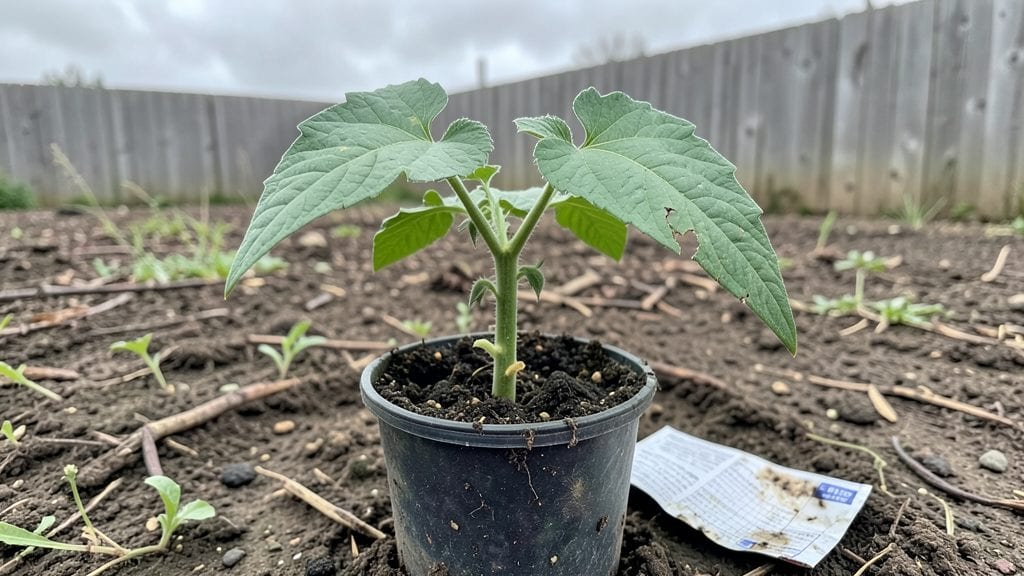
A seed planting schedule 🌱 is your secret weapon for a garden that thrives—not just survives. Miss the window by even a week, and you’re either shoveling rotten seedlings or watching weeds steal your space.
Timing is everything in gardening—plant your seeds too early, and they’ll rot; too late, and you’ll miss the harvest. A precise schedule ensures strong starts and bountiful yields, whether you're growing vegetables, flowers, or herbs.
In USDA Zone 6, where last frost hits around April 15 and first frost arrives by October 15, the right timing can mean the difference between a thriving plot and a patchy disappointment.
Below, I’ll break down the perfect planting months for your climate, how to adjust for local quirks, and the one mistake even experienced gardeners make—so you can skip the guesswork and get straight to the harvest.
Month-by-month seed planting schedule for optimal growth
A well-timed seed planting schedule is the backbone of a thriving garden. Cool-season crops like lettuce and peas thrive in spring and fall, while warm-season crops such as tomatoes and peppers need soil temperatures above 60°F to germinate.
Understanding your last frost date and local climate zone ensures you plant at the perfect time for robust growth. For most temperate regions, this means starting cool-season crops in early spring and late summer, while warm-season crops go in after the last frost.
Your seed packet is your best friend—it provides critical details like days to germination and ideal planting depth. Pair this with your local frost dates (find yours using the USDA Plant Hardiness Zone Map) to create a personalized planting timeline.
For example, if your last frost is April 15, you’ll want to plant warm-season crops like basil and cucumbers in early May, while cool-season crops like spinach can go in as early as March.
Below is a month-by-month guide for popular vegetables, flowers, and herbs in USDA Zones 5-8. Adjust based on your specific microclimate—sheltered areas may warm up faster, while low spots stay cooler longer.
🌱
<summary-table>| Month | Cool-Season Crops | Warm-Season Crops | Flowers & Herbs | Soil Temp (°F) | Notes |
|---|---|---|---|---|---|
| March | Lettuce, Peas, Spinach, Kale | — | Pansies, Calendula, Chives | 40-50°F | Start seeds indoors for tomatoes and peppers if using grow lights. |
| April | Broccoli, Cabbage, Radishes | Eggplant, Peppers (after last frost) | Marigolds, Nasturtiums, Basil | 50-60°F | Direct sow cool-season crops; transplant warm-season seedlings after frost. |
| May | — (succession plant lettuce, radishes) | Tomatoes, Cucumbers, Squash | Sunflowers, Zinnias, Dill | 60-70°F | Plant warm-season crops when soil is consistently warm (test with a soil thermometer). |
| June | — | Green Beans, Corn, Okra | Cosmos, Borage, Oregano | 70-80°F | Succession plant beans and squash every 2 weeks for continuous harvest. |
| July | — | Sweet Potatoes, Melons | Sunflowers (late), Basil (if not bolted) | 70-85°F | Watch for bolting in cool-season crops; avoid planting new cool-season seeds. |
| August | Turnips, Beets, Arugula | Late tomatoes, Peppers (if extended season) | Pansies (for fall blooms), Cilantro | 60-70°F | Prepare for fall planting; use row covers to extend warm-season crops. |
| September | Spinach, Lettuce, Kale | — | Calendula, Sweet Alyssum, Parsley | 50-60°F | Plant cool-season crops 6-8 weeks before first frost for harvest. |
| October | Radishes, Peas, Garlic (for spring harvest) | — | Pansies, Snapdragons, Chives | 40-50°F | Last chance for fast-growing crops like radishes and lettuce. |
| 🌡️ Key Tips: | |||||
| — | Succession Plant: Sow every 2-3 weeks for continuous harvest. | Soil Warmth: Use a soil thermometer—warm-season crops need 60°F+. | |||