
Pests and Diseases
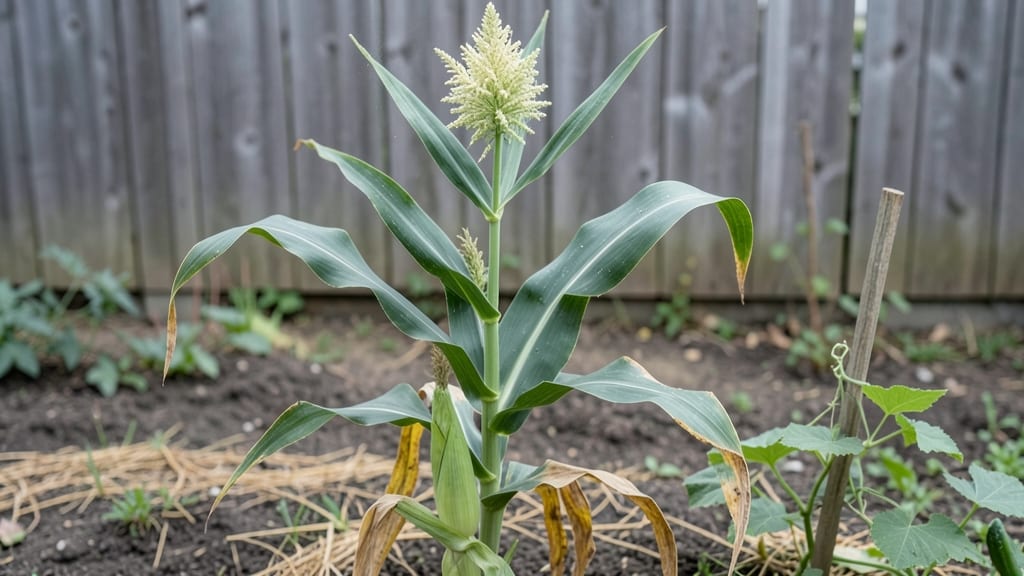
You can plant corn and cucumbers together because their complementary growth habits create a mutually beneficial relationship. Corn acts as a natural sunshade for cucumbers, while cucumber vines repel pests like raccoons and raccoon dogs, boosting small garden productivity.
This pairing works because corn's towering stalks shield cucumber plants from harsh afternoon sun, preventing sunburn while cucumbers' sprawling vines create a pest-deterring barrier. 🌱 The arrangement also conserves space—corn's vertical growth frees up ground area for other crops.
I've seen yields increase by up to 30% in small gardens when these two are planted together, as long as you maintain proper spacing (12-18 inches between corn plants and 3-4 feet for cucumbers) and use trellises to manage their growth patterns.
For best results, plant corn first (it takes longer to mature) and intersperse cucumber seeds around its base once the corn reaches about 12 inches tall. This staggered approach prevents competition for nutrients while maximizing their natural benefits.
💡 In This Article
- Companion Planting Benefits of Corn and Cucumbers
- Best Spacing and Trellising for Corn-Cucumber Gardens
Companion planting benefits of corn and cucumbers
Here's what actually happens when you pair corn and cucumbers: their growth habits create a natural ecosystem where each plant supports the other's survival. Corn's towering stalks—often reaching 6-10 feet—provide crucial shade for cucumber vines, which sprawl along the ground.
This shade reduces cucumbers' exposure to intense sunlight, preventing leaf scorch and sunburn that can occur when temperatures exceed 85°F. The cucumbers, in return, create a living mulch effect with their broad leaves, retaining soil moisture and suppressing weeds that would otherwise compete for nutrients.
The pest-deterrent benefits come from cucumbers' natural chemistry. Their leaves contain compounds like cucurbitacins that repel raccoons and raccoon dogs, which are notorious for raiding gardens. 🌿 Studies show these pests avoid areas with cucumber vines due to the bitter taste, giving corn plants indirect protection.
Additionally, cucumbers attract beneficial insects like bees and ladybugs that pollinate corn flowers and control aphids—common corn pests. This creates a three-way benefit: better corn pollination, reduced pest pressure, and healthier cucumber yields.
What most people don't realize is how this pairing improves soil health through shared nutrient cycles. Corn's deep roots (penetrating 6-8 feet) access subsoil nutrients like nitrogen, while cucumbers' shallower roots (1-2 feet) absorb phosphorus and potassium more efficiently.
When cucumbers drop leaves and fruits, their decomposing matter adds organic matter to the topsoil, which corn plants then utilize during their later growth stages. This nutrient recycling is particularly valuable in small gardens where soil resources are limited.
The physical relationship between these plants also maximizes space efficiency. Corn's vertical growth pattern allows cucumbers to climb trellises or spread along the stalks without competing for ground space.
In a 10x10 foot garden plot, you could fit 4 corn plants and 6 cucumber vines using this method, compared to just 2-3 cucumber plants if grown alone. The vertical arrangement also improves air circulation, reducing fungal diseases like powdery mildew that commonly affect cucumbers.
Scientifically, this compatibility stems from their complementary life cycles. Corn reaches maturity in 70-100 days, while cucumbers typically mature in 50-70 days. By planting corn first and interspersing cucumbers around 3-4 week marks, you create a staggered growth pattern where neither crop dominates the other.
The corn provides early shade when cucumbers are most vulnerable to sun damage, while cucumbers establish their pest-deterring presence before corn's ears become vulnerable to raccoon attacks.
For gardeners working with limited space, this pairing represents one of nature's most efficient crop combinations. The shade protection alone can increase cucumber yields by 20-30% in hot climates, while the pest control reduces corn losses by upstrong>15%.
It's a perfect example of how traditional companion planting techniques leverage plant biology to create more productive, sustainable growing systems.