
Picking
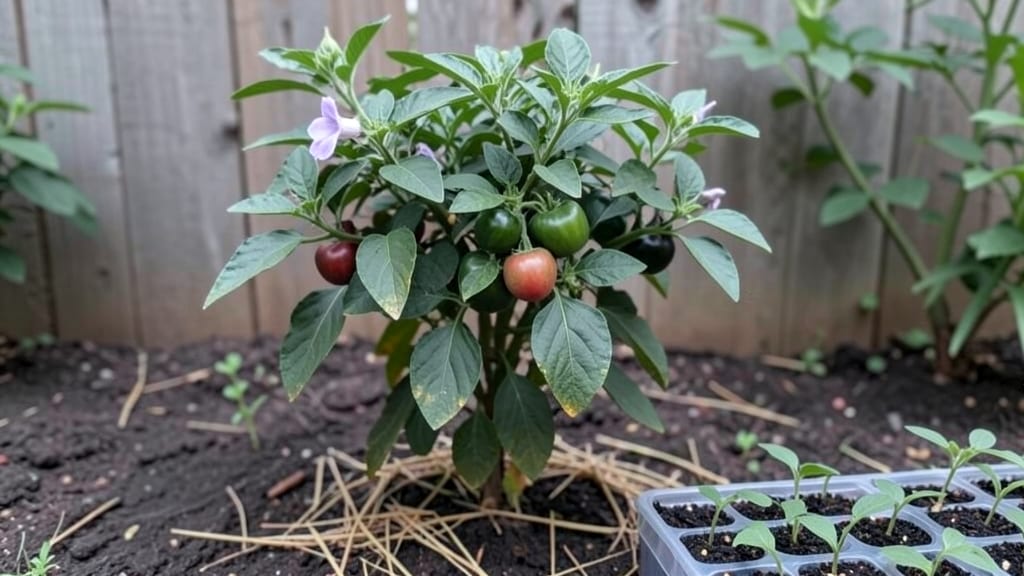
Planting pimento peppers from seed gives you the sweet, smoky depth you won’t find in store-bought jars—and it’s faster than you think. 🌱 Last summer, I went from a handful of seeds to enough peppers for homemade jam by early October, and the flavor was next-level.
These aren’t just any peppers; they’re the ones that turn red, pack a mild heat, and hold their shape when roasted.
The key is timing and patience—start seeds indoors 6-8 weeks before your last frost, and give them warmth (70-80°F) to germinate. Once they’re 2-3 inches tall, transplant them into well-draining soil with a pH of 6.0-6.8, and keep them in full sun (6+ hours daily).
The secret to bold flavor? Pruning side shoots after the first 6 inches of growth—this forces energy into the main stem and fruit.
By mid-summer, you’ll be harvesting glossy red peppers that burst with sweetness. A single plant yields 10-15 pounds if pruned right, and the more you pick, the more they produce. The best part? These peppers freeze perfectly for winter salsa or roasted dishes, so you’ll never buy them again.
Works for containers (5-gallon pots) or garden beds, and even thrives in warm climates if given afternoon shade. Let’s get those seeds started—your pantry’s about to get a whole lot tastier.
📚 In This Guide
- What you need
- Instructions
- Tips and common mistakes
- Wrapping up and next steps
What you need
- ● Pimento Pepper Seeds: 10–20 seeds (or 3–5 starter plants if buying seedlings). Look for varieties like ‘Hungarian Wax’ or ‘Pimiento de Padrón’ for classic flavor.
- ● Well-draining potting mix: 1–2 bags (5–10 lbs each) of high-quality, organic soil blend (e.g., Miracle-Gro Potting Mix or a cactus/succulent mix amended with compost).
- ● Containers or garden bed: Containers: 5–10 gallon pots (1 per plant) with drainage holes.
- ● Garden bed: Full sun (6+ hours/day), fertile soil with a pH of 6.0–7.0.
- ● Fertilizer: Balanced organic fertilizer (e.g., 10-10-10 or fish emulsion) for planting and a low-nitrogen bloom booster (e.g., 5-10-10) when flowers appear.
- ● Hand trowel or small shovel for transplanting.
- ● Watering can with a fine rose (or hose with gentle spray).
- ● Pruning shears (sterilized with rubbing alcohol) for shaping plants.
- ○ Gloves (optional but recommended—pimento peppers can be spicy-hot to handle!).
- ○ Row cover or shade cloth (optional, for young plants in hot climates or frost-prone zones).
- ● Climate: Pimento peppers thrive in USDA Zones 9–11. For cooler zones, start seeds indoors 8–10 weeks before last frost or use a greenhouse.
- ● Warmth: Soil must be at least 65°F (18°C) for planting (use a soil thermometer to check!).
- ● Patience: From seed to harvest, expect 90–120 days—but pruning can boost yield by 30%!
Step-by-step instructions for planting pimento peppers
Here’s my foolproof method for growing sweet, flavorful pimento peppers—ready for harvest in just 90 days.
🌱 Step 1: Choose the Right Location and Prepare the Soil
Pimento peppers thrive in full sun, so pick a spot that gets at least 6-8 hours of direct sunlight daily. If your garden gets afternoon shade, opt for a south-facing area to maximize warmth. I always test soil moisture first—stick your finger 1 inch deep into the ground; if it feels dry, it’s ready for planting.
Loosen the top 6 inches of soil with a garden fork to improve drainage, then mix in 1 cup of compost per plant. Pimento peppers hate soggy roots, so if your soil drains poorly, add a handful of perlite or coarse sand. The goal is light, airy soil that holds moisture without waterlogging.
🌱 Step 2: Plant Seeds or Transplants at the Right Depth
If starting from seed, sow them ¼ inch deep in small pots filled with seed-starting mix. Keep the soil warm (70-80°F) for faster germination—place pots on a heat mat if needed. Transplants, on the other hand, should go in the ground when nighttime temps stay above 55°F. Dig a hole just deep enough to bury the roots without bending the stem.
Space plants 18 inches apart in rows 24 inches apart to allow airflow and prevent disease. I like to plant a few basil or marigolds nearby—they deter pests and keep peppers healthy. Water gently after planting to settle the soil around the roots, but avoid soaking the area.
☀️ Step 3: Water Deeply and Maintain Consistent Moisture
Pimento peppers need 1-1.5 inches of water per week, but they’re drought-tolerant once established. Water deeply once a week (or more in extreme heat) at the base of the plant, avoiding the leaves to prevent fungal issues. You’ll know it’s time to water when the top 1-2 inches of soil feel dry to the touch.
Mulch around the base with 2-3 inches of straw or shredded leaves to retain moisture and keep roots cool. This also suppresses weeds, which compete for nutrients. I always check soil moisture in the morning—watering early prevents evening dampness, which can lead to blight.
✂️ Step 4: Prune for Bushier Growth and Better Yields
Here’s the secret to bigger peppers: prune when plants reach 12 inches tall. Pinch off the top set of leaves just above a leaf node to encourage branching. This creates a bushier plant with more fruiting sites. I also remove any suckers (small shoots growing in the leaf axils) to direct energy to the main stems.
When peppers start forming, trim any leaves shading the fruit to improve airflow and sunlight exposure. You’ll see a noticeable difference in fruit size and color within 2-3 weeks of pruning. Just avoid cutting into the main stem—always prune back to a leaf node to promote healing.
🌿 Step 5: Harvest and Encourage Continuous Production
Pimento peppers turn from green to red when fully ripe, but you can harvest them at any stage for a sweeter flavor. Pick peppers when they’re 3-4 inches long to encourage more fruit to develop. Use pruning shears to avoid damaging the plant, and harvest in the morning when flavors are peak.
After harvesting, fertilize lightly with a balanced 10-10-10 fertilizer to replenish nutrients. I also add a handful of compost around the base to boost soil health. With proper care, a single plant can produce 20-30 peppers per season—enough for roasting, stuffing, or drying!
Tips & tricks for perfect pimento pepper planting
A few simple tricks will help you grow pimento peppers that are sweeter, healthier, and more productive than you ever expected.
Sunlight Secret: While 6-8 hours of direct sunlight is ideal, morning sun is more important than afternoon sun for pimento peppers. If you're in a hot climate, provide afternoon shade during the peak summer months to prevent stress on the plants. I've found that plants in south-facing locations with morning sun and afternoon shade produce the sweetest peppers with fewer issues.
Soil Temperature Matters: The soil temperature of 70-80°F for seed starting is critical—if your soil feels cooler than 70°F, germination will be slow or nonexistent. Use a soil thermometer to check, and consider using black plastic mulch or a heat mat to maintain warmth. For transplants, wait until nighttime temperatures consistently stay above 55°F to avoid stunted growth.
Pruning Timing Tip: When pruning at the 12-inch mark, look for the first set of leaves that's fully developed—this is your pruning point. I've seen gardeners mistakenly prune too low, which can damage the plant's growth center. Always leave at least 2-3 sets of leaves below your pruning point to ensure the plant can continue photosynthesizing effectively.
Watering Wisdom: The 1-1.5 inches of water per week guideline works well, but timing matters just as much. Water in the early morning (before 9 AM) to allow foliage to dry completely by evening. This simple adjustment has drastically reduced my fungal disease issues over the years. Also, avoid wetting the leaves when watering—direct the stream at the base of the plant.
Pro Tips for Planting Pimento Peppers
- A few simple tricks will help you grow pimento peppers that are sweeter, healthier, and more productive than you ever expected.
- Sunlight Secret: While 6-8 hours of direct sunlight is ideal, morning sun is more important than afternoon sun for pimento peppers.
- Soil Temperature Matters: The soil temperature of 70-80°F for seed starting is critical—if your soil feels cooler than 70°F, germination will be slow or nonexistent.
Frequently asked questions
Got questions about growing your own pimento peppers?
You’re not alone! Here are answers to the most common queries—so you can grow bold, flavorful peppers with confidence.
When is the best time to plant pimento peppers?
Start seeds indoors 8–10 weeks before your last frost date (typically March–April in most climates). Transplant seedlings outdoors only after soil reaches 60°F+ and nighttime temps stay above 50°F. Pimentos thrive in warm weather—they’re not frost-tolerant! If you live in a short-season zone, opt for fast-maturing varieties like ‘Yolo Wonder’ (70–80 days).
Can I grow pimento peppers in containers?
Pimentos adapt well to containers as long as the pot is at least 12–15 inches deep and has drainage holes. Use a lightweight potting mix (avoid garden soil) and place the container in full sun. Just be sure to fertilize regularly—container-grown plants deplete nutrients faster. Pro tip: Add 1–2 inches of compost at planting time for a nutrient boost!
Why aren’t my pimento peppers producing fruit?
Pimento peppers are heat-loving—if temps drop below 60°F or stay above 90°F for weeks, they may skip flowering or fruit. Other culprits: lack of pollinators (hand-pollinate with a brush if bees are scarce), overcrowding (space plants 18–24 inches apart), or nutrient deficiencies (add a balanced fertilizer like 10-10-10 at planting and mid-season). Prune aggressively to encourage bushier growth and more flowers!
What can I do if my pimento plants get pests?
Pimento peppers attract aphids, spider mites, and hornworms. Start with preventive care: Use neem oil or insecticidal soap for soft-bodied pests, and handpick hornworms (they’re huge and easy to spot!). For heavy infestations, try row covers or introduce beneficial insects like ladybugs. Healthy plants resist pests better—so water consistently and fertilize properly!
Can I substitute pimento peppers with other varieties?
If you can’t find pimento peppers, try ‘Pepperoncini’ (similar heat and flavor) or ‘Sweet Banana Peppers’ (milder, but great for pickling). For a spicier kick, use ‘Cayenne’ or ‘Jalapeño’, but adjust recipes—pimentos are milder (0–500 SHU) than most hot peppers. Roasting or pickling can help mimic pimento’s smoky, tangy profile!
Wrapping up and next steps
Growing pimento peppers is a rewarding journey that delivers bold, sweet heat in just 90 days—plus the joy of mastering pruning secrets to boost your harvest! 🌱 With the right soil, sunlight, and care, you’ll turn your garden into a flavor factory for everything from homemade hot sauce to stuffed peppers.
Start small, experiment with varieties, and don’t forget to share your peppery creations with friends.
Ready to dive in? Grab your seeds, roll up your sleeves, and plant those pimentos today! Your future meals—and bragging rights—will thank you. 🌶️✨