
Planting
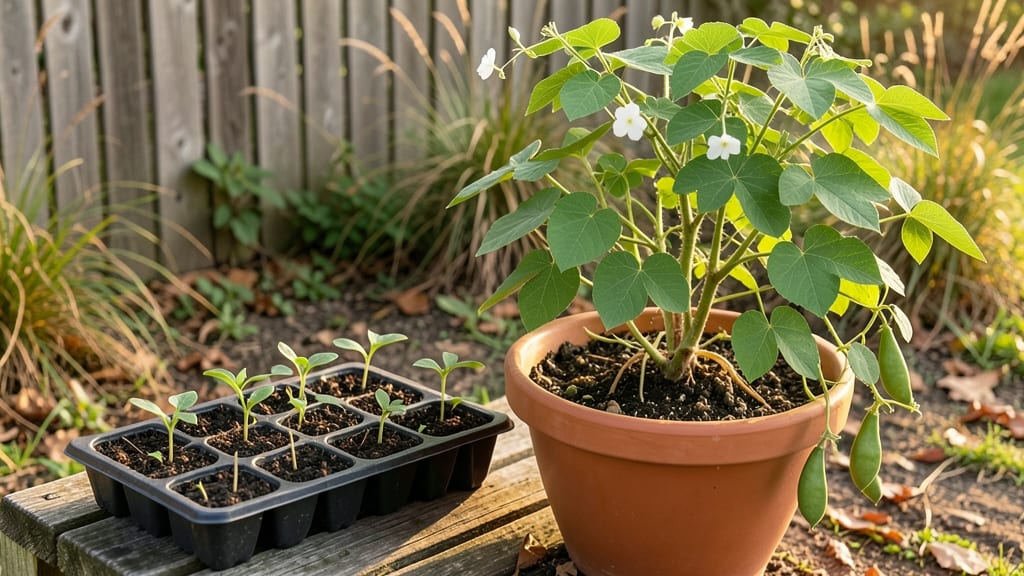
Getting the bean planting depth right is the secret to strong starts and bountiful harvests—too deep or too shallow, and you’re gambling with your seeds.
Planting beans too deep or too shallow can mean the difference between a thriving harvest and wasted seeds—getting the planting depth just right ensures strong germination and vigorous growth. Whether you're growing bush beans, pole beans, or heirloom varieties, precision matters.
In Zone 6, where spring soil can still hold a chill, planting too deep delays sprouting, while shallow seeds dry out before roots take hold. The ideal depth for most varieties is 1 inch, but pole beans and larger seeds need slight adjustments.
Below, I’ll break down the exact measurements by seed type, how to adjust for rocky soil, and the telltale signs your beans are struggling because of depth—so you can avoid the common mistakes that waste seeds and time.
Optimal bean planting depth by seed type and variety
Getting the planting depth right for beans is non-negotiable—whether you're growing bush beans, pole beans, or specialty varieties like runner beans. Each type has unique needs, and burying seeds too deep or too shallow can stunt germination or weaken seedlings.
The key lies in balancing seed size, soil moisture, and temperature to coax those first sprouts through the soil.
Most bean seeds require 1 inch of soil coverage for optimal germination, but this can shift based on your climate zone and soil type.
For example, in rocky soil, you might plant slightly shallower (½ inch) to avoid seedling stress, while compacted soil may need deeper planting (up to 1.5 inches) to protect seeds from drying out. Understanding these adjustments ensures your beans emerge strong and healthy.
Soil temperature also plays a critical role—beans need 60°F or warmer soil to germinate efficiently. Planting too deep in cold soil delays sprouting, while shallow planting in hot, dry conditions can lead to seed desiccation.
Always check your soil’s moisture level and temperature before planting to set the stage for success.
Here’s a quick reference for the most common bean varieties and their ideal planting depths:
Why does planting depth matter so much? Bean seeds contain limited energy reserves, and planting too deep forces seedlings to expend precious resources breaking through dense soil. This can lead to weak stems, stunted growth, or even failure to emerge.
Conversely, planting too shallow risks seeds drying out or being washed away during watering. The 1-inch rule is a safe starting point, but always adjust based on your soil’s texture and moisture.
For rocky or compacted soil, consider using a seed starter tool or your finger to create precise, shallow furrows. If your soil is loose and sandy, you might plant slightly deeper (up to 1.5 inches) to protect seeds from drying out.
Always water gently after planting to settle the soil without displacing seeds. A light misting keeps the soil moist without creating a muddy mess.
In cooler climates (USDA Zones 1-4), aim for the deeper end of the range (1.5 inches) to insulate seeds from temperature fluctuations. In hot, dry regions (Zones 8-10), shallower planting (½ inch) helps seeds stay cooler and moist.
Monitor your soil’s moisture level closely—beans need consistent dampness but hate soggy conditions, which can lead to root rot.
Pro tip: Use a soil thermometer to check temperatures before planting. If your soil is below 60°F, wait a few days or use black plastic mulch to warm it up faster. This small step can dramatically improve germination rates.
For container gardening, plant beans in well-draining potting mix at the same depth (1 inch) and keep the soil consistently moist until sprouts appear.
Once your beans sprout, thin seedlings to the recommended spacing to avoid competition. Overcrowded plants lead to pale leaves, small pods, and increased susceptibility to pests. If you’re growing pole beans, provide a trellis or support structure early to encourage vertical growth and better air circulation.
Remember, every garden is unique—experiment with slight adjustments in depth and observe how your beans respond. With the right planting depth, your beans will reward you with a bumper crop of fresh, homeg
Common mistakes that ruin bean germination (and how to fix them)
Even experienced gardeners sometimes struggle with bean germination because small mistakes—like planting too deep or too shallow—can derail your entire crop. I’ve seen bush beans fail to sprout simply because they were buried under 1.5 inches of soil, while pole beans wilted when planted too close to the surface.
The good news? These issues are easy to fix once you know the signs and solutions.
One of the biggest culprits is over-planting or crowding seeds, which leads to competition for nutrients and weak stems. I’ve also noticed gardeners accidentally burying seeds in cold soil during early spring plantings, delaying germination for weeks.
Let’s tackle these common pitfalls with practical fixes so your beans get the perfect start.
⚠️ Danger Zone: Bean Planting Depth Mistakes
Planting beans too deep (over 2 inches) suffocates seedlings, while burying them too shallow (under ½ inch) leaves them vulnerable to drying out. Pole beans need 1 inch depth, while bush beans tolerate 1-1.5 inches—but never exceed 2 inches or risk stunted growth. Use a seed spacing tool or your finger to mark consistent depths.
If your beans are taking longer than 14 days to sprout, check the depth first. I’ve found that seeds planted too deep often produce weak stems that struggle to reach the surface, while shallow planting can lead to dried-out seeds.
To fix this, loosen the soil around the seeds with a hand fork and replant at the correct depth. For rocky or compacted soil, mix in compost to improve aeration and drainage.
Another common mistake is planting seeds too close together, which forces seedlings to compete for sunlight and water. I recommend spacing bush beans 3-4 inches apart and pole beans 4-6 inches apart in rows 18-24 inches apart.
If you’ve already over-planted, thin seedlings to the strongest ones, leaving at least 2 inches between remaining plants. This prevents crowding stress and encourages bushier growth.
Cold soil is another silent killer of bean germination. Seeds need soil temperatures above 60°F to sprout consistently. If your area experiences late frosts, use black plastic mulch or a seedling heat mat to warm the soil.
I’ve also had success with row covers to trap heat during the day and insulate at night. Always test soil temperature with a soil thermometer before planting—it’s a game-changer for cold climates.
For precision, invest in a seed spacing tool or even a pencil to create consistent furrows. Mark your rows with stakes or string to avoid wandering while planting. I’ve seen gardeners use wooden dowels as guides for depth, ensuring every seed goes in at the same level.
This small step saves hours of troubleshooting later. With the right depth and spacing, your beans will germinate in 5-10 days and grow into robust plants ready for harvest.