
Flowers
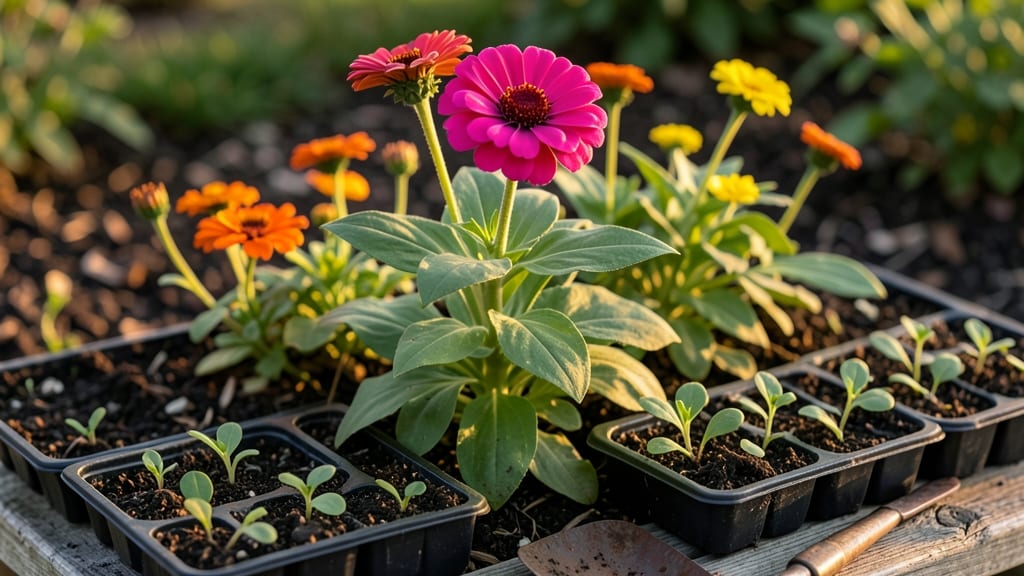
Succession planting flowers lets you enjoy blooms from early spring to frost—no barren gaps, just a parade of color. 🌸 I learned this trick after my first garden sat half-naked between tulip fade and chrysanthemum prime.
The secret? Overlapping bloom times so one variety takes over as the last one fades.
Start with a simple plan: group flowers by their 4-6 week bloom windows (e.g., pansies in March, snapdragons in May, zinnias in July). Mix heights and colors for instant visual impact—tall delphiniums behind low sweet alyssum, for instance.
Most flowers thrive with 3-4 weeks between plantings once the first batch flowers.
You’ll end up with a garden that looks like a 5-season show instead of a 2-month flash. The key is choosing varieties with staggered maturity dates—like replacing fading daffodils with long-blooming black-eyed Susans. Even my black thumb can’t mess this up once the timing clicks.
Works for borders, containers, or cutting gardens—just adjust spacing for your climate. Here’s how to map it out without overcomplicating things.
📚 In This Guide
- What you need
- Instructions
- Tips and common mistakes
- Wrapping up and next steps
What you need
- ● Flower seeds or seedlings: Choose fast- and slow-growing varieties (e.g., marigolds, zinnias, cosmos, snapdragons, or pansies). Aim for 3–5 different types to stagger bloom times.
- ● Well-draining potting mix or garden soil: 1–2 cubic yards (or enough to fill raised beds/containers). Opt for organic matter-rich soil (e.g., compost-amended mix).
- ● Compost or slow-release fertilizer: 1–2 bags (5–10 lbs each) to boost soil fertility between plantings.
- ● Organic mulch (straw, shredded leaves, or wood chips): 2–3 inches per planting area to retain moisture and suppress weeds.
- ● Garden trowel or transplant spade: For digging small holes (6–12 inches deep).
- ● Hand pruners or scissors: For trimming spent blooms and shaping plants.
- ● Watering can or hose with a gentle nozzle: 1–2 gallons capacity for seedlings.
- ○ Garden gloves: 1 pair (optional but recommended for comfort).
- ○ Row cover or shade cloth: Lightweight fabric (optional, for protecting seedlings from pests or heat).
- ● Sunlight map: Note your garden’s sun exposure (full sun, partial shade, etc.) to match flower varieties.
- ● Planting schedule: Research days to maturity for each flower type (e.g., marigolds = 60–70 days; cosmos = 65–70 days).
- ● Weather forecast: Avoid planting during heatwaves or heavy rains (aim for mild, overcast days).
- ● Succession planting calendar: Plan 3–4 staggered plantings (e.g., every 2–3 weeks) for continuous blooms.
How to plan a succession planting schedule for continuous flower blooms
Here's the method I use to keep my garden in full, ever-changing bloom from spring through fall.
🌱 Step 1: Map Your Garden's Microclimates and Sun Exposure
Start by walking your garden with a notebook at different times of day. Note where sunlight shifts—morning sun on the east side, intense afternoon heat on the south, and gentle evening light on the west. I mark these zones with stakes because cooler microclimates (like near foundations or under trees) can support different varieties than hot, exposed beds.
Succession planting relies on temperature-sensitive blooming cycles, so track your last frost date and average soil temperatures at different depths. Most annuals need soil above 55°F to germinate, while perennials often prefer cooler spring starts. Use a soil thermometer for accuracy—your garden's hidden temperature variations will determine which flowers thrive when.
⏰ Step 2: Select Flower Varieties With Staggered Maturity Dates
Choose flowers with 3-4 week differences in bloom times to create seamless transitions. For example, I pair snapdragons (which bolt in 75°F+ heat) with cosmos (which thrive in 85°F+ and continue blooming when snapdragons fade). Research each variety's days to maturity and bloom duration—some like zinnia rebloom after cutting, while others like sweet alyssum produce a single flush.
Write down your planting schedule with 3-4 week intervals between varieties. For spring, I start with pansies (cold-tolerant) followed by calendula, then marigolds as temperatures rise. In summer, I rotate sunflowers (early) with black-eyed Susans (mid) and dahlias (late). This ensures at least one variety is always in peak bloom.
🪴 Step 3: Prepare Beds in Staggered Phases
Divide your planting area into three sections and prepare them in sequence. Start with the coolest microclimate (often the north or shaded side) first, as these spots can handle early sowings. Loosen soil to 12 inches deep and mix in 2-3 inches of compost—this improves drainage for heat-sensitive varieties while retaining moisture for late-season plantings.
Label each section with the planting date and variety. For example, Section 1 gets snapdragons in early spring, Section 2 gets cosmos in late spring, and Section 3 gets zinnia in early summer. This rotation prevents soil depletion and gives each variety optimal growing conditions. Water deeply before planting to settle the soil and encourage root establishment.
🌿 Step 4: Plant in Overlapping Successions
Begin with your earliest-blooming variety and plant every 3-4 weeks thereafter. For example, if pansies bloom in 6 weeks, follow them with calendula (which blooms in 8 weeks) and then marigolds (which bloom in 10 weeks). This creates a rolling wave of color where one flower fades just as the next begins.
Use seed packets as your guide—they often list both days to maturity and bloom duration. For instance, sweet peas take 60 days to bloom but continue producing for 8 weeks, while nasturtiums bloom in 45 days but only for 6 weeks. Plant nasturtiums first, then sweet peas 14 days later, and finally morning glories (which bloom in 50 days) 21 days after that.
✂️ Step 5: Maintain With Strategic Deadheading and Soil Care
Deadhead spent blooms immediately to extend each variety's flowering period. For example, zinnia and dahlia will rebloom for weeks if you snip back stems after the first flush. I also mulch heavily (2-3 inches) to retain moisture and regulate soil temperature—this is critical for late-season plantings like cosmos and sunflowers, which need consistent moisture to prevent bolting.
Fertilize lightly every 4-6 weeks with a balanced, slow-release formula (10-10-10). Over-fertilizing leads to lush foliage but fewer blooms, which defeats the purpose of succession planting. Instead, focus on consistent moisture and deadheading—these two actions alone will double your blooming season.
Tips & tricks for perfect succession planting
Mastering succession planting transforms your garden from seasonal bursts of color to a year-round floral masterpiece. Here's how to elevate your approach beyond the basics.
Temperature Matters: The 55°F soil temperature threshold for germination is non-negotiable for most annuals, but don't stop there. Monitor daily fluctuations—some varieties like cosmos actually prefer the 85°F+ heat that would bolt snapdragons. I keep a small thermometer buried in each microclimate section to track these variations. This precision lets me schedule heat-loving varieties like zinnia for late summer when other flowers would struggle.
Variety Pairing Strategy: When selecting your 3-4 week intervals between plantings, think beyond just bloom times. Pair flowers with complementary colors and heights—like dwarf sunflowers (6 weeks to bloom) with tall cosmos (8 weeks)—to create natural vertical layers. I also match flowers with similar water needs in each section to simplify maintenance. For example, nasturtiums and marigolds both thrive in well-drained soil, so I plant them together in the same rotation phase.
Soil Preparation Hack: That 2-3 inches of compost in Step 3 isn't just about nutrients—it's a moisture regulator. I mix in 1 inch of coarse sand (optional) for varieties like dahlias that hate soggy roots, while adding extra compost to the coolest sections for heat-sensitive pansies. This creates micro-variations that let you grow more varieties successfully in the same space. Label each section's soil mix so you remember what works where!
Deadheading Discipline: The immediate deadheading in Step 5 is where the magic happens for reblooming varieties. I use a pair of sharp scissors (not fingers!) to cut just above the first set of leaves, which encourages bushier growth. For zinnia specifically, I make a habit of cutting back the entire stem after the first flush—this triggers a second, often even more prolific bloom cycle. Set a reminder for every 3-4 days during peak bloom season to stay on top of this.
Pro Tips for Succession Planting Flowers
- Mastering succession planting transforms your garden from seasonal bursts of color to a year-round floral masterpiece.
- Temperature Matters: The 55°F soil temperature threshold for germination is non-negotiable for most annuals, but don't stop there.
- Variety Pairing Strategy: When selecting your 3-4 week intervals between plantings, think beyond just bloom times.
Frequently asked questions
Got questions about keeping your flower beds blooming all season long?
Here are some of the most common queries—and answers—to help you master succession planting like a pro!
What is the best way to start succession planting for flowers?
Begin by selecting flowers with staggered bloom times (e.g., snapdragons in early spring, zinnias in summer, and mums in fall). Plant in overlapping batches every 2–4 weeks, ensuring each group gets full sun and well-draining soil. Start with fast-growing annuals for quick results!
How often should I replant flowers for continuous blooms?
Most annual flowers benefit from replanting every 3–6 weeks, depending on their growth rate. For example, marigolds (4–6 weeks) and cosmos (6–8 weeks) thrive with this schedule. Monitor blooms—once they fade, it’s time to swap in fresh plants or seeds!
Can I use perennials in succession planting?
While perennials return yearly, you can still "succession plant" by adding companion annuals around them. For instance, tuck pansies near spring-blooming peony bushes for early color, then replace them with salvia as the perennials mature. This extends visual interest without replanting!
What if my flowers don’t bloom as expected?
Check these common issues:
- Not enough sun: Move to sunnier spots or choose shade-tolerant varieties like impatiens.
- Overcrowding: Thin seedlings or replant in phases to avoid competition.
- Poor soil: Amend with compost or use slow-release fertilizer.
- Pests/disease: Rotate plant families (e.g., swap tomatoes for marigolds) to break cycles.
Are there low-maintenance flowers for busy gardeners?
Opt for self-seeding annuals like cosmos or larkspur, which reseed themselves, or zinnias (cut back for reblooms). Perennials like coneflowers or black-eyed Susans also thrive with minimal effort—just deadhead spent blooms!
Still stumped? Drop your specific flower type or climate zone in the comments—we’re happy to tailor advice!
Wrapping up and next steps
Succession planting flowers isn’t just a gardening hack—it’s your ticket to a year-round parade of color with minimal extra effort! By staggering plantings and timing them right, you’ll enjoy blooms from spring to frost, keeping your garden vibrant and buzzing with life. 🌸
Ready to turn your garden into a nonstop show? Start small—pick one bed or container and experiment with a few easy-to-grow annuals like marigolds or zinnias. Track your progress, adjust as you go, and soon, you’ll be a succession-planting pro! Happy planting! 🌱