
Planting
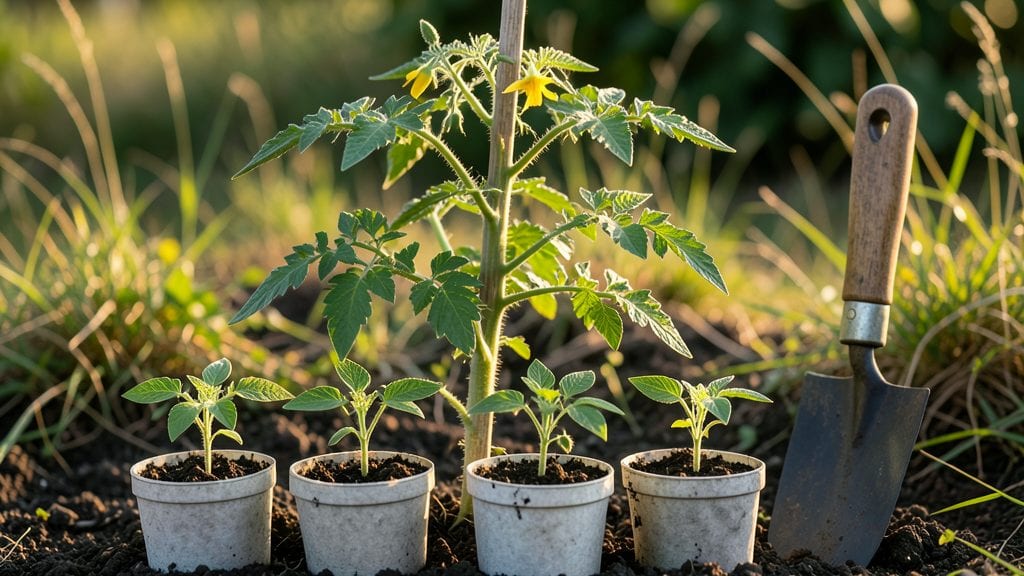
Mastering the tomato planting timeline is the difference between a bumper crop of 🍅 and a sad, leggy plant that never sets fruit.
Timing is everything when growing tomatoes—plant too early, and frost will kill your seedlings; too late, and you’ll miss the sweet, sun-ripened harvest of summer.
In USDA Zone 6a, like many gardeners, I’ve learned that 6-8 weeks before your last frost date is the magic window for starting seeds indoors.
But here’s the catch: soil temperature matters just as much as frost dates. Tomatoes need at least 60°F (15°C) to thrive, which is why I time my outdoor transplanting for April 15—two weeks after my last frost—when the ground is finally warm enough.
In this guide, I’ll walk you through the exact week-by-week schedule for your region, whether you’re starting seeds early or planting directly into the soil. You’ll learn how to adjust for early vs. late varieties, when to fertilize for maximum yield, and even how to extend your harvest into fall.
How many weeks before last frost to plant tomatoes for peak yield
Timing your tomato planting is like orchestrating a symphony—every note matters. Tomatoes need warm soil and consistent heat to thrive, which is why planting too early risks frost damage, while starting too late cuts your harvest short.
The last frost date in your area is your anchor point, but soil temperature and microclimates add layers of complexity. For most gardeners, starting seeds 6-8 weeks before the last frost gives seedlings enough time to mature before summer heat peaks.
Soil temperature is the unsung hero of tomato success. Seeds won’t germinate well below 60°F (15°C), and young plants struggle in cooler soils. In USDA Zones 5-7, this means starting seeds indoors 8-10 weeks before the last frost to ensure robust transplants.
Meanwhile, gardeners in Zones 8-10 can often direct-sow 2-4 weeks before the last frost, as warmer climates allow for faster growth. Always check your local extended forecast—a late frost can turn your carefully timed planting into a gamble.
Microclimates—those tiny pockets of warmth near walls, fences, or slopes—can shift your planting window by 1-2 weeks. A south-facing wall might add 5-10°F of warmth, letting you plant earlier. Conversely, low-lying areas or shady spots may need additional weeks to warm up.
Use a soil thermometer to confirm temperatures before planting; 60°F (15°C) is the magic number for happy roots and vigorous growth.
Indoor starts give you the most control, but they require dedication. Seedlings need 12-16 hours of light daily (grow lights or a sunny windowsill) and consistent moisture. Harden off seedlings 7-10 days before transplanting by gradually exposing them to outdoor conditions.
This toughens them up for the shock of moving to the garden. If you’re short on time, transplant-ready seedlings from nurseries can be planted 2-3 weeks before the last frost, but they’ll need frost protection (like row covers) if nighttime temps dip below 50°F (10°C).
Direct sowing tomatoes is a gamble in cooler climates but works beautifully in Zones 8-10 or for fast-maturing varieties like cherry tomatoes. Plant seeds 1/4 inch deep and keep soil moist until germination (which takes 7-14 days).
Thin seedlings to 18-24 inches apart for indeterminate varieties or 24-36 inches for determinate types. Direct-sowing skips the transplant shock but risks poor germination if soils are too cold.
Regional adjustments are key. In the Pacific Northwest, where cool, wet springs delay planting, start seeds indoors 10-12 weeks before the last frost. In the Southeast, where humidity and heat arrive early, you might plant as early as March in Zones 7-8.
Always cross-reference your local USDA Hardiness Zone map with historical frost data—your neighbor’s garden might not match your microclimate!
Succession planting extends your harvest by 4-6 weeks. After your first planting, sow a second batch 2-3 weeks later (or buy transplants) to replace early producers. This works especially well for cherry tomatoes or bush varieties, which mature faster.
In short-season areas, prioritize early-maturing hybrids (like 'Early Girl' or 'Stupice') over heirlooms, which take longer to bear fruit.
Don’t forget frost protection for early plantings! Row covers, cold frames, or even cloche tunnels can shield seedlings from light frosts (28-32°F / -2 to 0°C). If a hard frost (below 28°F / -2°C) is forecast, cover plants with blankets or cardboard to insulate them.
In extreme cases, move potted tomatoes indoors temporarily. These tactics buy you extra weeks to grow stronger plants before summer heat arrives.
Summer heat can be just as damaging as frost. Tomatoes thrive in 70-85°F (21-29°C) day temperatures but struggle when soils exceed 90°F (32°C). In hot climates, focus on shade cloth, mulching, and deep watering to keep roots cool.
Plant heat-tolerant varieties like 'Solar Fire' or 'Heatmaster' if you’re in a Zone 9-10 area. These adjustments ensure your plants don’t bolt (flower prematurely) or develop sun scald on fruits.
Track your progress with a gardening journal. Note when you started seeds, transplanted, and when flowers appeared. Over time, you’ll refine your tomato planting timeline to match your local conditions.
For example, if your plants consistently flower late, try starting seeds 1-2 weeks earlier next year. Every garden is unique—your data will become your best guide.
🌱
Step-by-step tomato planting schedule by seedling age (from seed to soil)
Growing tomatoes from seed gives you a head start on the season, but timing is critical. Whether you're a first-time gardener or a seasoned pro, following a week-by-week tomato planting schedule ensures your seedlings are strong enough for transplanting.
I’ll walk you through each stage—from seed starting indoors to hardening off seedlings—so you can hit the ground running when the last frost passes.
Your tomato planting timeline depends on your USDA zone, but most gardeners start seeds indoors 6-8 weeks before the last frost date. For example, in Zone 6a, that means starting seeds around early March.
Adjust this timeline based on your local frost dates and whether you’re growing early, mid, or late-season varieties.
📅 Tomato Planting Timeline by Seedling Age
-
Weeks 1-2: Start Seeds Indoors
Sow seeds in seed trays or small pots with sterile seed-starting mix. Keep soil moist and maintain 70-80°F for germination. Place under grow lights or in a sunny window.
-
Weeks 3-4: Germination & First Leaves
Seedlings will sprout in 5-10 days. Once the first true leaves (not cotyledons) appear, provide 12-14 hours of light daily to prevent leggy growth. Thin to 1 seedling per cell if overcrowded.
-
Weeks 5-6: Transplant to Larger Pots
Move seedlings to 3-4 inch pots with fresh potting mix. Fertilize lightly with a balanced 5-10-10 fertilizer to encourage root growth. Keep soil consistently moist but avoid soggy conditions.
-
Weeks 7-8: Hardening Off (1 Week Before Transplant)
Acclimate seedlings to outdoor conditions by placing them outside for 1-2 hours daily, gradually increasing exposure. Protect from direct wind and harsh sun. Stop watering 24 hours before transplanting.
-
Week 9: Transplant Outdoors (After Last Frost)
Plant seedlings 12-24 inches apart (depending on variety) in well-draining soil with compost. Bury stems 1/3 deep to encourage root growth. Water deeply immediately after transplanting.
-
Weeks 10-12: Flowering & Fruiting
Expect first flowers in 4-6 weeks after transplanting. Prune suckers (side shoots) to focus energy on fruit production. Mulch around plants to retain moisture and suppress weeds.
-
Weeks 13+: Harvest Time!
Harvest tomatoes when they’re fully colored and slightly soft to the touch. For heirloom varieties, expect harvests 75-90 days after transplanting. Succession plant cherry tomatoes every 2-3 weeks for extended harvests.
Pro tip: Use biodegradable pots for transplanting—this minimizes root disturbance when moving seedlings to the garden. If you’re in a warmer climate (Zones 8-10), you can start seeds as early as January and transplant outdoors 2-3 weeks earlier than the standard timeline.
Remember, soil temperature is just as important as air temperature. Tomatoes won’t thrive unless the soil is at least 60°F (15°C). Use a soil thermometer to check before transplanting.
If your soil is too cold, wait a few more days or use black plastic mulch to warm it up faster.
By following this tomato planting schedule, you’ll avoid common pitfalls like leggy seedlings or transplant shock. With patience and precision, you’ll be rewarded with a bountiful harvest of homegrown tomatoes by mid-summer! 🍅