Planting
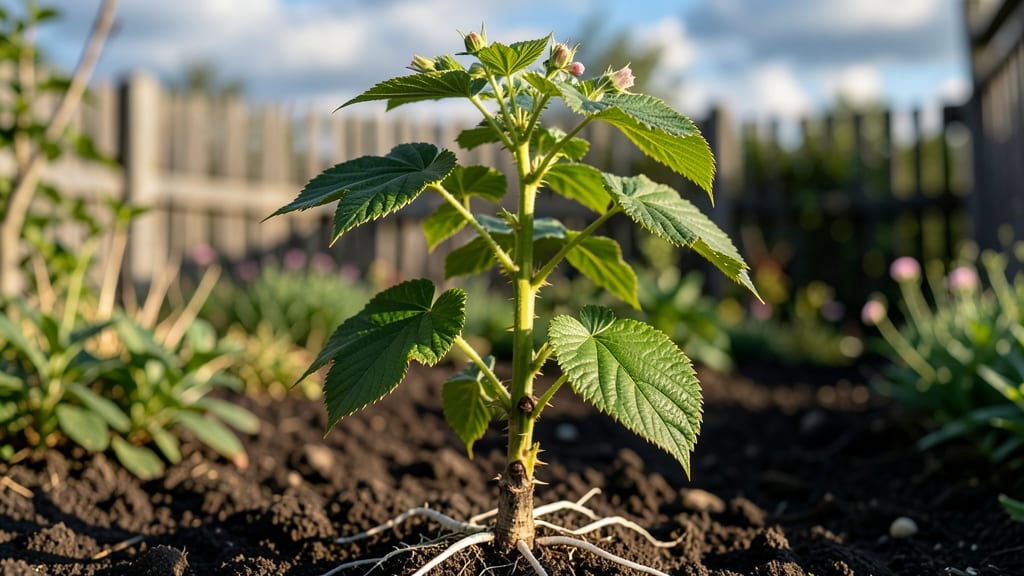
Your raspberry plant stem holds the key to year-round harvests—or a frustrating tangle of weak canes. I’ve learned the hard way that proper trimming isn’t just about cutting back; it’s about understanding when, how, and why to shape those stems for maximum fruit production.
The difference between a bush bursting with berries and one struggling with disease or pests often comes down to these three strategic cuts.
Most gardeners overlook the spring, summer, and fall trims that keep raspberries thriving. A single miscut can invite pests like cane borers or weaken stems enough to invite fungal infections.
My berries went from sparse to overflowing once I mastered the right tools—a sharp pair of pruners, a clean workspace, and the patience to remove only what’s necessary. You’ll see the difference in just one season.
By summer’s end, you’ll have a bush that’s stronger, more productive, and easier to manage. The stems will stand tall, the canes will thicken, and you’ll notice fewer yellowing leaves or mysterious holes—signs of stress or pests.
This isn’t just pruning; it’s a reset for your entire plant. Think of it as giving your raspberries a fresh start every year, so they keep giving you back.
Whether you’re dealing with wind-damaged canes, nutrient deficiencies, or winter dieback, these trims address the root causes. The best part? You’ll spend less time fixing problems and more time enjoying those sweet, juicy berries. Let’s get those stems in shape—your future harvest depends on it.
📚 In This Guide
- What you need
- Instructions
- Tips and common mistakes
- Wrapping up and next steps
What you need
- ● Pruning shears or loppers – Sharp, clean, and sterilized (1 pair). Choose bypass pruners for precision cuts.
- ● Gloves – Thick, cut-resistant (1 pair) to protect against thorns and sap.
- ● Disinfectant (70% isopropyl alcohol or bleach solution) – For sterilizing tools between cuts (small bottle or spray).
- ● Rake or garden fork – To clear debris and mulch around the base (1 unit).
- ● Compost or mulch – Organic matter (5-10 gallons) to replenish soil post-trimming.
- ● Watering can or hose with nozzle – For post-trim hydration (1 unit).
- ○ Labeling tags or markers – To tag trimmed canes if propagating (optional, 5-10 tags).
- ● Pruning saw – For thicker, woody stems (1 unit).
- ● Garden kneeler or stool – For comfort during long sessions (1 unit).
- ● Plant food or fertilizer – Balanced NPK (10-10-10) to boost regrowth (small bag).
- ● Protective eyewear – If working near thorny or overgrown patches (1 pair).
- ○ Camera or sketchbook – To document your plant’s progress (optional).
Instructions for pruning raspberry canes for maximum yield
Here's how to transform your raspberry patch into a year-round harvesting machine.
Identify Summer-Fruiting and Fall-Fruiting Canes
Raspberries produce fruit on different types of canes, and knowing which is which makes all the difference. Summer-fruiting varieties bear fruit on second-year canes—the woody stems that grew last year. These canes are thicker and have a rough texture. Fall-fruiting varieties produce fruit on current-year canes, which are thinner and green.
I always start by marking the canes with a piece of colored tape or a small flag to keep track. This helps avoid confusion when it comes time to prune. If you're unsure, check the plant tag or research your specific variety—some modern hybrids produce fruit on both types of canes, but the pruning approach remains similar.
First Trim in Late Winter (Before New Growth)
The first cut happens in late winter, just as new growth begins to swell. Remove all dead, diseased, or weak canes at the base with clean, sharp pruners. These canes won’t produce fruit and will only compete with healthy ones for nutrients. Next, cut back any remaining canes to about 4 feet tall, leaving a few strong buds near the base.
This early trim encourages the plant to focus energy on producing new, vigorous canes rather than wasting resources on weak growth. I like to do this on a dry day when the soil is still frozen—it’s easier to see the canes clearly, and the plant is dormant, so it won’t bleed sap excessively.
Summer Pruning to Encourage Fruit Production
Once fruit begins to form, it’s time for the second trim. For summer-fruiting varieties, remove any side shoots that form below the first 12 inches of the cane. These shoots steal energy from the main fruit-bearing section. For fall-fruiting varieties, thin out canes so that only the 6-8 strongest remain, spacing them evenly around the plant.
I also pinch off any flowers that appear on the current year’s growth for fall-fruiting varieties—this ensures all energy goes into developing next year’s fruiting canes. Watch for signs of disease like spots or mold on the canes or leaves, and remove affected parts immediately to prevent spread.
Final Trim in Late Fall or Early Winter
The last pruning of the year happens after the first hard frost or in early winter. For summer-fruiting varieties, cut the canes down to the ground once they’ve finished producing fruit. For fall-fruiting varieties, leave the canes standing—they’ll produce fruit on the current year’s growth. However, remove any dead or damaged canes at the base.
This final trim keeps the plant tidy and makes it easier to spot new growth in the spring. I like to mulch heavily around the base after pruning to protect the roots from freezing temperatures. The mulch also helps retain moisture and suppresses weeds, giving your raspberries a strong start in the next growing season.
Year-Round Maintenance for Continuous Harvests
To keep your raspberries producing fruit year-round, monitor the canes regularly. For summer-fruiting varieties, remove any new shoots that appear below the fruiting zone. For fall-fruiting varieties, thin out excess canes in early summer to ensure the remaining ones have enough space and nutrients.
I also recommend harvesting fruit as soon as it ripens to encourage more production. Overripe berries can attract pests and diseases, so don’t let them linger on the plant. With consistent pruning and care, you’ll enjoy a steady supply of raspberries from early summer through fall—or even winter, depending on your variety and climate.
Tips & tricks for pruning raspberry canes
Pruning raspberry canes might seem intimidating, but these key strategies will help you maximize your harvest with minimal effort.
Identification is Everything: In Step 1, when distinguishing between summer-fruiting and fall-fruiting canes, look for the texture as your primary clue. Summer-fruiting canes are thicker with rough bark, while fall-fruiting canes are thinner and smoother. I've found that using small colored flags works best for visual tracking—just tie them around the canes you're keeping. This simple system prevents confusion during subsequent pruning sessions and helps you maintain consistency in your pruning approach.
Timing Your Trims: The late winter trim in Step 2 should happen when new growth just begins to swell, but before any leaves emerge. This timing ensures you're cutting back canes while the plant is still dormant, minimizing stress. I've learned the hard way that pruning too early can expose the plant to cold damage, while waiting too long means you're cutting back canes that have already started growing. Aim for that sweet spot between late February and early March in most climates.
Precision Pruning in Summer: When you reach Step 3, pay special attention to the 12-inch mark on summer-fruiting canes. Any side shoots below this point should be removed completely at the base. For fall-fruiting varieties, maintaining just 6-8 of the strongest canes creates optimal spacing for fruit development. I've noticed that leaving too many canes results in smaller berries, while thinning too aggressively can reduce overall yield. Finding that balance is key to maximizing your harvest.
Disease Prevention Strategy: During all pruning steps, especially Step 3, keep your pruners clean between cuts. I sterilize my tools with rubbing alcohol after each plant to prevent spreading any potential diseases. Also, remove any canes showing signs of disease immediately and dispose of them in the trash—not the compost—since diseased plant material can harbor pathogens that survive composting. This simple practice has dramatically reduced disease pressure in my own raspberry patch over the years.
Pro Tips for Raspberry Plant Stem
- Pruning raspberry canes might seem intimidating, but these key strategies will help you maximize your harvest with mi...
- Identification is Everything: In Step 1, when distinguishing between summer-fruiting and fall-fruiting canes, look fo...
- Timing Your Trims: The late winter trim in Step 2 should happen when new growth just begins to swell, but before any ...
Frequently asked questions
When is the best time to trim raspberry plant stems?
The ideal time to trim raspberry stems is late winter or early spring (before new growth starts) and after harvest (summer/fall). For summer-bearing varieties, prune immediately after fruiting to encourage next year’s canes. Ever-bearing types may need a light trim in early spring to shape the plant.
How do I tell the difference between old and new raspberry canes?
Old canes are woody, brown, and thick—these are last year’s growth and should be removed. New canes are green, flexible, and thinner (this year’s fruiting canes). Pro tip: Pinch off flower buds on first-year canes to boost fruit production in the second year!
Can I prune raspberry plants in winter? Why or why not?
Yes, but only in mild climates (USDA Zones 7-10). In colder areas, wait until late winter (when frost risk passes) to avoid damaging dormant buds. If you must prune in winter, use sharp tools and avoid heavy cuts—focus on removing dead or diseased canes first.
What should I do if my raspberry plant stems look yellow or wilted?
Yellowing stems often signal nutrient deficiency, overwatering, or disease (like fungal infections). Check soil moisture—raspberries hate soggy roots! For yellow leaves, feed with compost or balanced fertilizer. If stems are mushy or spotted, prune affected areas immediately and treat with copper fungicide if needed.
Are there alternatives to pruning raspberry stems?
While pruning is essential for productivity, you can lightly thin canes instead of full pruning if overwhelmed. For organic growers, mulching with straw helps suppress weeds and retain moisture, reducing stress. However, never skip pruning entirely—it’s key to preventing disease and maximizing fruit!
Wrapping up and next steps
Mastering the art of trimming your raspberry plant stem is your ticket to a bountiful, year-round harvest—no matter the season! 🌱 By following the three strategic trims (spring renewal, summer shaping, and fall cleanup), you’ll boost fruit production, improve plant health, and keep pests at bay.
The key? Consistency and timing—your plants will thank you with plump, juicy berries all year.
Ready to elevate your garden game? Start by marking your calendar for next year’s trims, then grab your pruners and get hands-on. Every snip is a step toward a sweeter, more abundant harvest—so roll up your sleeves and enjoy the fruits of your labor! 🍓✨