Size
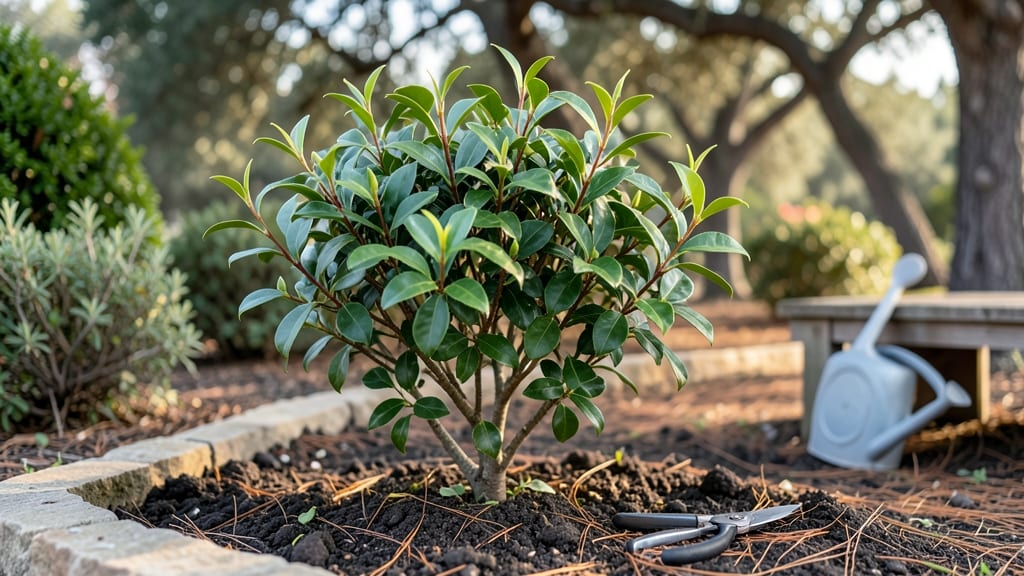
To grow a tea plant, you'll need a subtropical climate with warm temperatures (60-70°F), high humidity, and well-draining acidic soil (pH 4.5-5.5). Plant seeds or cuttings in spring, provide partial shade, and maintain consistent moisture for optimal growth, harvesting leaves after 3-5 years for premium tea production.
Tea plants thrive where summers are warm and winters mild—think of regions like Georgia or California where temperatures rarely drop below 50°F.
The acidic soil mimics their natural habitat in Asia, while partial shade protects young leaves from harsh sunlight. 🌿 What's fascinating is how altitude plays a role: higher elevations often produce more complex flavors, which is why many premium teas come from mountainous regions.
If you're in a cooler zone, consider growing your plant in a greenhouse or container that can be moved indoors during winter.
Starting with cuttings is often easier than seeds since they mature faster, but seeds offer more genetic variety. Once established, your tea plant will need regular pruning to encourage bushier growth and prevent legginess.
I've found that a balanced fertilizer with more phosphorus than nitrogen helps promote leaf development, and mulching keeps the roots consistently moist without waterlogging the soil.
💡 In This Article
- Ideal Climate and Soil Conditions for Tea Plants
- Tea Plant Propagation and Year-Round Care Tips
Ideal climate and soil conditions for tea plants
Tea plants (Camellia sinensis) evolved in the subtropical highlands of China and India, where temperatures average between 60-70°F during growing seasons. This range prevents heat stress while maintaining metabolic activity in the leaves—the sweet spot for photosynthesis and flavor compound development.
The plants also require 70-80% humidity, mimicking their native misty mountain environments. When humidity drops below 60%, leaves curl and growth stalls due to transpiration exceeding moisture uptake. 🌿
The soil's acidity is non-negotiable—ideal pH ranges between 4.5-5.5, similar to a pine forest floor. This acidic environment enhances nutrient availability, particularly iron and manganese, which are critical for chlorophyll production. Well-draining soil prevents root rot while maintaining moisture retention; tea plants hate soggy conditions.
In regions with alkaline soil (pH 7+), amend with sulfur or peat moss to recreate their natural conditions. Interestingly, altitude becomes a flavor multiplier: plants grown above 3,000 feet develop slower but produce leaves with higher amino acid content, contributing to the umami depth in premium teas.
USDA zones 7-10 are tea plant paradises, where winters rarely dip below 30°F. Outside these zones, container growing with winter protection (like frost cloth) becomes essential. For example, Georgia's coastal plain (zone 8) mirrors tea's native climate perfectly, while colder regions like New York (zone 5) require greenhouse cultivation.
What most gardeners overlook is how wind patterns affect tea plants—strong breezes dehydrate leaves faster, so partial windbreaks (like bamboo screens) help maintain ideal humidity near the foliage. ✨
Here's what happens when conditions stray from ideal: temperatures above 90°F cause leaf scorch, while below 50°F triggers dormancy. Soil pH above 6.0 locks out essential micronutrients, leading to yellowing leaves (chlorosis).
The drainage requirement is equally critical—waterlogged roots suffocate the plant within 3-5 days, while dry spells cause leaf drop. These factors explain why tea plants struggle in desert climates or heavy clay soils, despite having the right temperature range.
Consider this comparison: a tea plant in Hawaii (zone 11) grows vigorously year-round but produces milder flavors due to consistent warmth. In contrast, a plant in South Carolina's upstate (zone 8) develops more complex notes from seasonal temperature fluctuations.
The key is replicating the diurnal temperature variation (10-15°F difference between day/night) that occurs naturally in tea-growing regions. This daily cooling period triggers metabolic processes that enhance flavor development. 💫
For soil preparation, mix 50% peat moss, 30% compost, and 20% perlite to achieve the perfect texture—light enough for roots to breathe but moisture-retentive enough to support consistent growth. Top with a 2-inch mulch layer of pine needles or wood chips to maintain acidity and suppress weeds.
This setup mimics the forest floor where tea plants originated, giving you the best chance to cultivate leaves worthy of your teapot. 🍵