Companion Plants
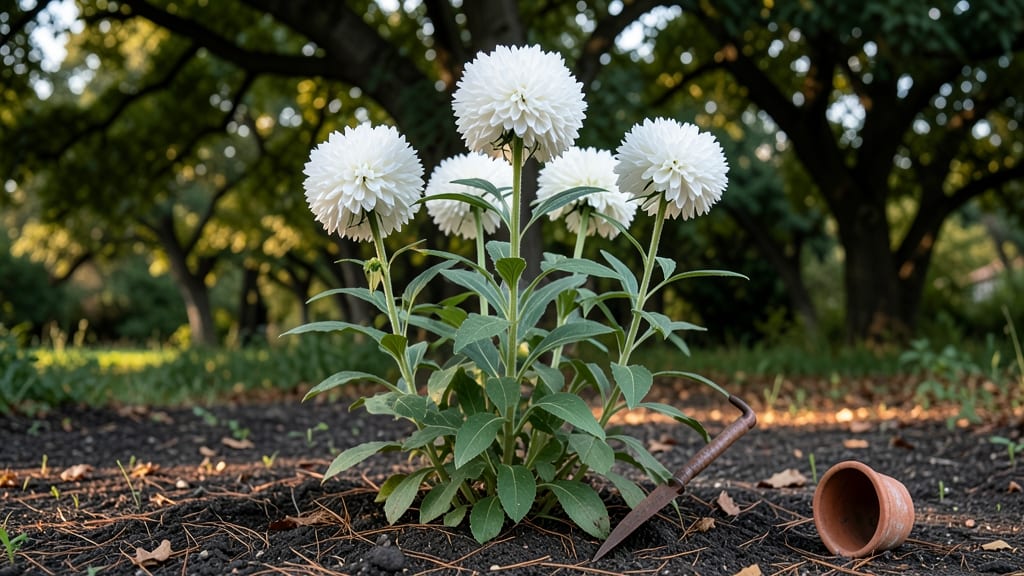
Double coneflower plants bring effortless beauty and buzzing life to any garden. 🌻 I first fell for them when a single plant turned my shady corner into a pollinator magnet—bees, butterflies, and hummingbirds all flocked in.
These perennials thrive with almost no fuss, making them perfect for gardeners who want impact without the work.
The secret to their success lies in their adaptability. They handle partial shade, tolerate poor soil, and rarely need dividing—unlike finicky annuals.
Plant them in well-draining soil with just 4-6 hours of sun, and they’ll reward you with 3-foot-tall stems topped with layered pink, purple, or white blooms that last from summer through fall.
You’ll love how they multiply over time, forming natural drifts that look even better each year. The double blooms create a velvety texture that’s irresistible to touch, while the sturdy stems hold up to rain and wind. Plus, they’re deer-resistant, so you won’t lose them to hungry critters.
Whether you’re filling a sunny border, adding height to a wildflower meadow, or simply wanting a low-maintenance pollinator favorite, these plants deliver. Here’s how to grow them like a pro—no green thumb required.
📚 In This Guide
- What you need
- Instructions
- Tips and common mistakes
- Wrapping up and next steps
What you need
- ● Double coneflower seeds or transplants: Seeds: 1–2 oz (or ~50–100 seeds, depending on variety)
- ● Transplants: 3–5 mature plants (6–12 inches tall)
- ● Garden soil: Well-draining, slightly alkaline (pH 6.0–7.5)
- ● Compost or organic matter: 2–3 gallons (for amending soil)
- ● Garden gloves: A pair (to protect your hands)
- ● Trowel or hand shovel: For digging and transplanting
- ● Watering can or hose with a gentle nozzle: For hydration
- ○ Mulch (optional but recommended): 2–3 inches of straw, wood chips, or shredded leaves
- ● Fertilizer: Balanced 10-10-10 or low-phosphorus (e.g., 5-10-5) for established plants
- ● Plant markers: To label varieties (if mixing types)
- ● Pruning shears: For deadheading or shaping mature plants
- ● Drip irrigation system: For consistent moisture (especially in dry climates)
- ● Pollinator-friendly companions: Native grasses, bee balm, or lavender (to create a thriving ecosystem)
Step-by-Step guide to planting double coneflower for a thriving pollinator garden
Here's how to establish these drought-tolerant beauties with minimal fuss.
🌱 Step 1: Choose the Perfect Planting Location
Double coneflowers thrive in full sun with at least 6 hours of direct light daily. I always scout the sunniest spot in my garden first—these plants reward you with bold blooms when happy. Avoid low-lying areas where water pools after rain, as soggy roots lead to rot.
Test your site by observing where morning sun fades to afternoon shade. The ideal location gets sun all day long, even in summer. If your yard has limited sun, choose a spot with at least 4-5 hours of morning sun—they'll still perform well, though with slightly fewer blooms.
🪴 Step 2: Prepare the Soil for Healthy Growth
Double coneflowers tolerate average to slightly dry soil, but they perform best in well-draining, moderately fertile ground. Before planting, loosen the soil to a depth of 12 inches with a garden fork or tiller. This helps roots establish deeper and prevents waterlogging.
Work in a 2-3 inch layer of compost to improve soil structure and fertility. I like to mix it thoroughly so the soil looks uniformly dark and crumbly. Avoid heavy amendments like manure, which can burn tender roots. If your soil is particularly dense or clay-heavy, add a handful of perlite to improve drainage.
🌿 Step 3: Plant Bare-Root or Container-Grown Plants
For bare-root plants, soak the roots in lukewarm water for 30 minutes before planting to rehydrate them. Dig a hole twice as wide as the root ball but only as deep as the container's height. This prevents burying the crown too deeply, which can cause rot.
Gently place the plant in the hole, spreading roots outward naturally. Fill the hole with soil, pressing lightly to remove air pockets. Water deeply right after planting to settle the soil and encourage root contact. You'll know it's done right when the soil surface looks slightly mounded around the base.
☀️ Step 4: Water and Mulch for Long-Term Success
Water newly planted coneflowers deeply once a week for the first month to encourage deep root growth. After that, they're remarkably drought-tolerant. I water in the morning so foliage dries quickly, reducing disease risk. Let the soil dry between waterings—soggy soil is their biggest enemy.
Apply a 2-3 inch layer of mulch around each plant, keeping it 2 inches away from the stem to prevent rot. I use shredded bark or straw because it breaks down slowly and conserves moisture. This layer also suppresses weeds, which compete for nutrients and water.
✂️ Step 5: Maintain with Minimal Effort
Deadhead spent blooms in early fall to encourage a second flush of flowers. I simply pinch off the faded heads with my fingers—no tools needed. This keeps the plant looking tidy and extends the blooming season. Stop deadheading by late summer to allow seed heads to form for winter interest.
Fertilize lightly in early spring with a balanced, slow-release fertilizer (10-10-10). Too much nitrogen leads to lush foliage but fewer flowers. I skip fertilizing after the first year unless the plants look weak. Coneflowers are tough—they'll thrive even if you forget them for a season.
Tips & tricks for perfect double coneflower planting
These simple but game-changing tips will help you create a thriving pollinator garden with minimal effort.
Sunlight Strategy: If you're planting in late spring or summer, consider using shade cloth for the first few weeks to protect young plants from intense afternoon sun. Double coneflowers can handle full sun once established, but tender new growth benefits from gradual sun exposure. This is especially helpful in hot climates where afternoon sun can stress young plants.
Soil Prep Secret: When loosening soil to that 12-inch depth in Step 2, take a moment to break up any large clumps or rocks you encounter. Smooth roots grow best when they can spread through loose, unobstructed soil. I like to use my hands to gently work through the soil—it's more precise than a tiller and gives me a better feel for the soil quality.
Planting Precision: In Step 3, pay special attention to the crown placement. The crown should sit just above the soil line—never buried. I like to use a small stick or pencil to mark the ideal planting depth before placing the plant. This visual guide helps me maintain consistent depth across multiple plants, which is crucial for even growth.
Mulch Mastery: For that 2-3 inch mulch layer in Step 4, I recommend using a mix of organic mulch (like shredded bark) and a thin layer of gravel on top. The organic layer conserves moisture and suppresses weeds, while the gravel prevents the mulch from piling up against the stems. This two-layer approach keeps your plants looking neat while maximizing benefits.
Pro Tips for Double Coneflower Plants
- These simple but game-changing tips will help you create a thriving pollinator garden with minimal effort.
- Sunlight Strategy: If you're planting in late spring or summer, consider using shade cloth for the first few weeks to...
- Soil Prep Secret: When loosening soil to that 12-inch depth in Step 2, take a moment to break up any large clumps or ...
Frequently asked questions
Got questions about growing double coneflower plants? You’re not alone! Here are some of the most common queries—plus quick answers to help you cultivate these pollinator magnets with ease.
When is the best time to plant double coneflowers?
Double coneflowers thrive when planted in early spring (as soon as the soil is workable) or early fall (4–6 weeks before your first frost). This gives roots time to establish before extreme heat or cold. For container gardening, you can plant anytime during the growing season!
How often should I water double coneflowers?
These drought-tolerant beauties need moderate watering—about 1 inch per week—during their first growing season. Once established (after 1–2 years), they only need water during prolonged dry spells. Overwatering can lead to root rot, so let the soil dry out between waterings.
Are double coneflowers deer-resistant?
While no plant is 100% deer-proof, double coneflowers are highly deer-resistant compared to many other perennials. Their tough foliage and milky sap often deter browsing. For extra protection, try planting them near deer-repellent companions like Russian sage or lavender.
Can I grow double coneflowers in containers?
Double coneflowers adapt well to containers, making them perfect for patios or balconies. Use a 5–7 gallon pot with well-draining soil and ensure it has drainage holes. Place in full sun and fertilize lightly in spring. Just be mindful—they may need more frequent watering in pots.
Why aren’t my double coneflowers blooming?
If your plants are leafy but flowerless, check these common culprits:
- Over-fertilizing (especially with high-nitrogen feeds)
- Too much shade (they need 6+ hours of sun daily)
- Crowded roots (divide clumps every 3–4 years)
- Deadheading delay (remove spent blooms to encourage more flowers)
Wrapping up and next steps
Double coneflower plants are a game-changer for gardeners who love beauty and sustainability! 🌿 With their stunning blooms, pollinator-friendly appeal, and effortless care, they’re perfect for transforming any garden into a thriving ecosystem.
Whether you’re a beginner or a seasoned gardener, these hardy perennials deliver year after year of joy with minimal fuss.
Ready to elevate your garden? Start by picking your favorite variety, prepping your soil, and planting with confidence. Then, sit back and watch as your garden becomes a buzzing hub for bees, butterflies, and birds—all while adding a pop of color to your outdoor space! 🐝✨