Companion Plants
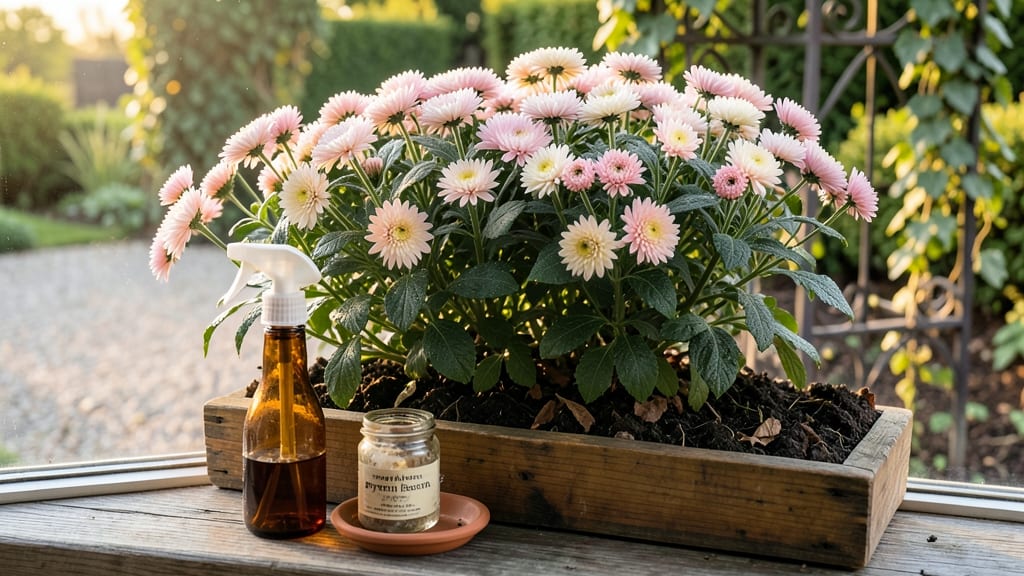
Pyrethrin for plants works as a botanical insecticide made from chrysanthemum extracts, targeting garden pests like aphids, mites, and caterpillars while decomposing quickly in sunlight. For best results, apply it during early morning or late evening to protect beneficial insects.
This natural compound disrupts pests' nervous systems, causing paralysis and death within minutes—but its effects fade fast when exposed to UV light. 🌿 Unlike synthetic pesticides, pyrethrin breaks down within hours, making it safer for soil health and reducing long-term environmental impact.
That said, it's crucial to avoid spraying during peak pollinator activity, as bees and butterflies can be affected too.
For gardeners, pyrethrin stands out because it's derived from flowers rather than petrochemicals, aligning with organic gardening principles. It's especially useful for treating soft-bodied insects that other methods might miss, like spider mites or aphids clustered on new growth.
Just remember: while it's low-toxicity for humans, always wear gloves when handling concentrated extracts.
💡 In This Article
- How Pyrethrin Kills Pests Without Harming Soil
- Step-by-Step Guide to Safely Using Pyrethrin Sprays
How pyrethrin kills pests without harming soil
Pyrethrin works by attacking the nervous systems of insects through a mechanism called neurotoxicity. When pests like aphids or caterpillars come into contact with it, the compound binds to sodium channels in their nerve cells, causing rapid and uncontrollable muscle spasms.
This leads to paralysis and death within minutes—a process that’s almost instantaneous compared to synthetic pesticides, which often take hours or days to kill.
The key here is that pyrethrin affects only certain types of nerve cells found in insects, not mammals, which is why it’s considered safer for humans and pets.
What makes pyrethrin uniquely safe for soil is its photodegradation—the compound breaks down rapidly when exposed to sunlight. Within 24-48 hours of application, up to 90% of pyrethrin degrades into harmless byproducts like carbon dioxide and water.
This rapid breakdown prevents accumulation in the soil, unlike synthetic pesticides that can linger for months or years. For example, studies show that even after 7 days, less than 5% of pyrethrin remains in the environment, making it one of the most environmentally friendly options for organic gardening.
The selectivity of pyrethrin is another critical factor. While it effectively targets pests like mites and aphids, it’s far less harmful to beneficial insects such as bees and ladybugs—when used correctly. The trick lies in timing: applying it during early morning or late evening reduces exposure to pollinators.
However, bees are still at risk if sprayed directly, so always avoid flowering plants during treatment. Soil microbes also remain unaffected because pyrethrin doesn’t persist long enough to disrupt microbial communities, unlike broad-spectrum chemical pesticides that can sterilize soil over time.
Here’s how pyrethrin compares to synthetic options: traditional insecticides like malathion can remain toxic in soil for weeks or months, while pyrethrin’s half-life is measured in hours. This short lifespan means it won’t contaminate groundwater or harm earthworms, which are vital for soil health.
The trade-off? Pyrethrin’s effects are temporary, requiring reapplication every 7-14 days during active pest seasons, whereas synthetic pesticides offer long-term protection but at a much higher environmental cost.
For gardeners, this means you can use pyrethrin confidently without worrying about long-term soil damage. The compound’s natural origin—derived from chrysanthemum flowers—also aligns with organic farming standards. However, it’s not a one-size-fits-all solution.
Soft-bodied pests like aphids are highly susceptible, but tougher insects like beetles may require higher concentrations. Always follow label instructions to balance effectiveness with safety for your garden ecosystem.
What most people don’t realize is that pyrethrin’s safety extends beyond soil—it also breaks down quickly on plant surfaces. This means residues won’t accumulate on leaves or fruits, making it ideal for edible gardens.
Just avoid spraying during bloom periods to protect pollinators, and always rinse produce before consumption if you’ve applied it directly to crops.