Pests
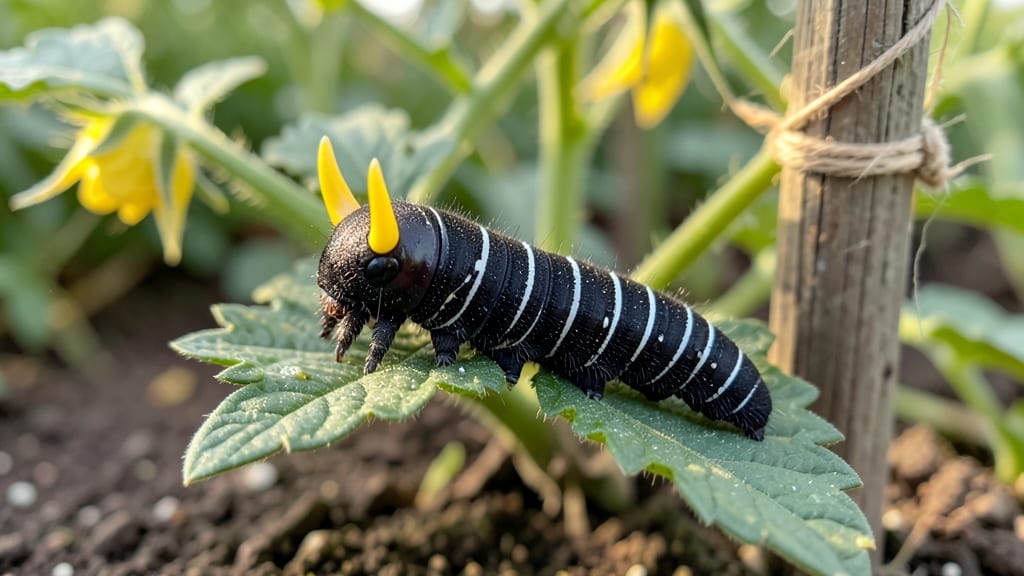
Tomato plant caterpillars can strip your plants bare in days if you don’t act fast. 🌿 I’ve watched my prized heirloom tomatoes go from lush vines to skeletonized leaves overnight—until I learned how these pests live, feed, and die.
The key to saving your harvest isn’t chemicals but understanding their life cycle and hitting them at the right stage.
The worst offenders—hornworms, tomato loopers, and armyworms—all follow the same pattern: tiny eggs hatch into ravenous caterpillars that hide under leaves during the day. By the time you spot chewed leaves or missing fruit, they’re already 2 inches long and multiplying.
The good news? Their lifespan is short—just 3-4 weeks from egg to adult moth—so you can outsmart them with quick action.
You’ll learn to spot their telltale signs (frass, or black droppings, is a dead giveaway) and use natural controls like handpicking (they’re surprisingly easy to remove) or Bacillus thuringiensis, a bacteria that kills caterpillars without harming bees.
Companion planting with basil or marigolds can cut infestations by half, and a simple soap spray works as a last resort.
Prevention starts in spring with row covers and regular scouting—check the undersides of leaves every 3 days. The sooner you intervene, the less damage they’ll do. With these tricks, you’ll protect your tomatoes without resorting to harsh sprays, and your plants will bounce back stronger than ever.
Root Causes Of Caterpillar Infestations
Caterpillars don’t just choose your tomato plants—they’re drawn by a mix of environmental, ecological, and even human factors. Understanding these triggers helps you disrupt their cycle before they devour your harvest. Here’s why these tiny pests turn your garden into an all-you-can-eat buffet.
Tomato plants (Solanum lycopersicum) are a caterpillar’s dream because they’re packed with nutrients and soft foliage. But why do they prefer tomatoes over other plants? Three key reasons:
- Chemical Signals: Tomatoes release volatile organic compounds (VOCs) when damaged, which act like a dinner bell for caterpillars.
These chemicals signal "easy prey" to moths and butterflies, prompting them to lay eggs nearby. 🐜 - High Water Content: Caterpillars need moisture to grow, and tomato leaves are juicy and tender—perfect for rapid development. - Late Blossom Attraction: Tomatoes flower and fruit later in the season, giving caterpillars a longer window to feed before harvest.
Early-season plants (like lettuce) may get munched first, but tomatoes become the main course as summer progresses.
Actionable Insight: If you’re growing tomatoes alongside other nightshades (peppers, eggplants, or potatoes), caterpillars will treat your garden like an all-you-can-eat salad bar. Solution: Interplant with unappealing herbs like basil, mint, or dill—their strong scents mask tomato signals.
Caterpillars are the larval stage of moths and butterflies, and their parents are very picky about where to lay eggs. If your garden mimics their ideal breeding conditions, you’ll see more caterpillars than tomatoes.
- Sheltered Spaces: Moths (like the hornworm’s parent, the sphinx moth) prefer to lay eggs on the underside of leaves, where they’re hidden from predators and wind. Dense foliage or overgrown plants create perfect egg-laying real estate. 🌿 - Warm Microclimates: Caterpillars thrive in 70–85°F (21–29°C) temperatures.
Greenhouses, south-facing gardens, or mulched beds trap heat, accelerating their growth. - Nighttime Visitors: Most tomato-destroying moths (e.g., tomato fruitworm moths) are nocturnal. If your garden stays dark at night, they’ll linger longer, increasing egg-laying opportunities.
Actionable Insight: Prune tomatoes to improve airflow—this makes it harder for moths to hide and reduces humidity (which attracts fungal diseases that caterpillars also love). 🌡️
Sometimes, caterpillars move in because your plants are stressed—and stressed plants are weaker, making them easier targets.
- Overwatering or Drought: Both extremes weaken tomato plants, making them less resistant to pests. Caterpillars detect stressed plants through altered leaf chemistry. - Nutrient Deficiencies: Plants low in nitrogen (a key protein source) produce softer leaves—caterpillar catnip.
A quick soil test can reveal if your tomatoes are malnourished. 📊 - Monoculture Gardens: Planting only tomatoes creates a caterpillar buffet. Without natural predators (like birds or parasitic wasps) or plant diversity, infestations spiral.
Actionable Insight: Balance is key—water deeply but infrequently, and rotate crops annually to disrupt moth/butterfly cycles. Add companion plants like marigolds (which repel pests) or nasturtiums (which attract beneficial insects).
Yes, you might be inviting caterpillars over without realizing it. Common gardening mistakes create the perfect caterpillar paradise:
- Late Planting: Starting tomatoes too late in the season gives moths an extended feeding window before harvest. - Ignoring Debris: Old plant stems, fallen leaves, or compost piles provide hibernation spots for moth pupae.
A tidy garden = fewer overwintering pests. 🧹 - Overusing Synthetic Fertilizers: Chemical-heavy soils can disrupt beneficial insect populations (like ladybugs or lacewings), leaving caterpillars unchecked.
Actionable Insight: Clean up thoroughly in fall—remove all plant debris and till the soil to expose pupae to predators or cold. Use organic fertilizers (like compost or worm castings) to support a balanced ecosystem.
Caterpillars are highly sensitive to weather patterns, and certain conditions turn your garden into a caterpillar hotspot.
- Warm, Humid Summers: Ideal for hornworm and tomato fruitworm larvae, which grow faster in moist heat.
- Mild Winters: If winters stay above 40°F (4°C), moth pupae survive to lay eggs earlier in spring.
- Drought Followed by Rain: Sudden moisture boosts plant growth, making leaves more tender—and caterpillars love a post-drought feast.
Actionable Insight: Monitor weather forecasts—if a heatwave is coming, handpick caterpillars early before they multiply. Use row covers in spring to block moths before they lay eggs. ☔️
Quick Fixes for Wormy Tomato Plants
When caterpillars invade your tomato plants, acting fast is key to saving your harvest—and your sanity! Below, we break down the most effective solutions based on the cause of the problem, from organic remedies to proactive prevention.
Each fix is designed to be easy, budget-friendly, and effective, whether you’re dealing with hornworms, loopers, or other leaf-munching pests.
Catching caterpillars early means less cleanup and healthier plants. Here’s how to spot them and act fast:
- 🔍 Inspect leaves daily – Focus on the undersides of leaves, stems, and fruit. Look for:
- Chewed holes or "sawdust-like" frass (caterpillar poop).
- Large, green, or brown caterpillars (hornworms can grow 3 inches long!).
- Silken webbing or rolled leaves (signs of loopers or tent caterpillars).
- 🕒 Act within 24–48 hours – A single caterpillar can devour a leaf in hours. Remove them manually before they multiply.
If you prefer chemical-free solutions, these methods work wonders without harming bees or beneficial insects.
🍳 Handpick and Drown (Best for Large Caterpillars) 🔥 How to do it: 1. Go early in the morning when caterpillars are sluggish (they’re easier to spot and remove). 2. Wear gloves (some caterpillars have irritating hairs).
- Drop them into soapy water – A bucket of water + a few drops of dish soap suffocates them instantly.
- Check daily – Repeat until no more caterpillars appear.
💡 Pro tip: Use a flashlight at dusk to find hidden pests on the leaf undersides.
🌿 Bacillus Thuringiensis (Bt): The "Caterpillar Killer" 🍳 How to use it: 1. Buy Bt spores (available at garden centers as a powder or spray). 2. Mix with water according to package instructions (usually 1 tsp powder per quart of water).
- Spray on leaves (focus on undersides and new growth).
- Reapply after rain or every 7–10 days.
✨ Why it works: Bt is a natural bacteria that targets caterpillars’ digestive systems. It’s safe for humans, pets, and beneficial insects like ladybugs.
🥘 Neem Oil Spray (Deters Eggs and Young Larvae)
👨🍳 How to make it:
- Mix 1 tbsp neem oil + 1 tsp mild soap + 1 quart water.
- Shake well and spray on leaves (especially undersides).
- Reapply every 5–7 days or after rain.
🌡️ Best for: Preventing future infestations—neem disrupts caterpillar egg-laying and repels adults.
Sometimes, the easiest solution is to block caterpillars from reaching your plants in the first place.
🧶 Row Covers (Best for Prevention)
- Use lightweight fabric row covers over young tomato plants.
- Secure edges with soil or stakes to prevent caterpillars from crawling underneath.
- Remove covers when flowers appear (to allow pollination).
🍅 Collars for Seedlings
- Wrap bottoms of young plants with cardboard or aluminum foil (cut to size).
- Push 1–2 inches into soil to block cutworms and loopers from chewing stems.
Mother Nature has her own pest control—help her out!
- 🐞 Ladybugs and lacewings – Release or attract them with dill, fennel, or marigolds.
- 🦋 Parasitic wasps – They lay eggs inside caterpillars (don’t worry—they’re harmless to humans!).
- 🐸 Frogs and toads – Provide a shallow water dish to lure them into your garden.
🎯 Best plants to attract predators:
- Alyssum, basil, and cosmos (draw beneficial insects).
- Nasturtiums (trap crops—caterpillars prefer these over tomatoes!).
If organic methods fail and your plants are under siege, pyrethrin-based sprays (derived from chrysanthemums) can work. However:
- Spray in the evening to avoid harming bees.
- Reapply after rain (it washes off quickly).
- Avoid synthetic pesticides like sevin—they kill beneficial insects too.
An ounce of prevention saves a pound of damage. Try these low-effort habits to keep your tomatoes caterpillar-free:
- 🌱 Rotate crops – Don’t plant tomatoes in the same spot yearly (caterpillars overwinter in soil).
- 🌿 Plant companion flowers – Marigolds, nasturtiums, and borage repel pests naturally.
- 🍅 Prune regularly – Remove damaged leaves and suckers to reduce hiding spots.
- 🌙 Check at night – Many caterpillars are nocturnal; a quick flashlight scan can catch them early.
- 🌱 Start with healthy seedlings – Buy from reputable nurseries to avoid bringing pests home.
💡 Final Reminder: The key to beating tomato plant caterpillars is consistency. Check your plants daily, act at the first sign of trouble, and combine prevention with targeted fixes for the best results. Your future salads (and salsa!) will thank you. 🍅🔥
Frequently asked questions
What are the most common caterpillars that attack tomato plants?
The worst offenders are hornworms (green with white stripes), tomato loopers (green with smooth bodies), and armyworms (brown or gray with stripes). Hornworms grow up to 4 inches long and can defoliate a plant in days! Look for chewed leaves and black droppings called frass as key signs.
How do I tell if caterpillars are eating my tomatoes?
Watch for chewed leaves, missing fruit, or black frass (droppings) on leaves and soil. Check leaf undersides at dawn/dusk—they hide there during the day. If you spot large green caterpillars with white stripes, it’s likely hornworms, which are the most destructive.
Is handpicking caterpillars effective, or will more keep coming?
Handpicking works if you’re consistent—check plants daily and drop caterpillars into soapy water. The key is catching them early (before they’re 1 inch long) and removing eggs (tiny yellow dots on leaf undersides). Combine this with neem oil or Bt spray to break their life cycle.
Can I use soap spray on tomato plants with caterpillars?
Yes! Mix 1 tablespoon mild castile soap + 1 quart water and spray directly on caterpillars. It suffocates them without harming plants. Reapply every 3–5 days, especially after rain. For heavy infestations, add 1 teaspoon vegetable oil to help the soap stick to their bodies.
Will companion planting really keep caterpillars away?
Plant basil, marigolds, or nasturtiums near tomatoes—their strong scents repel moths. Nasturtiums act as "trap crops" by attracting caterpillars away from your tomatoes. Plus, they boost beneficial insects like ladybugs that eat caterpillar eggs. Start companion plants when you transplant seedlings.