
Planting
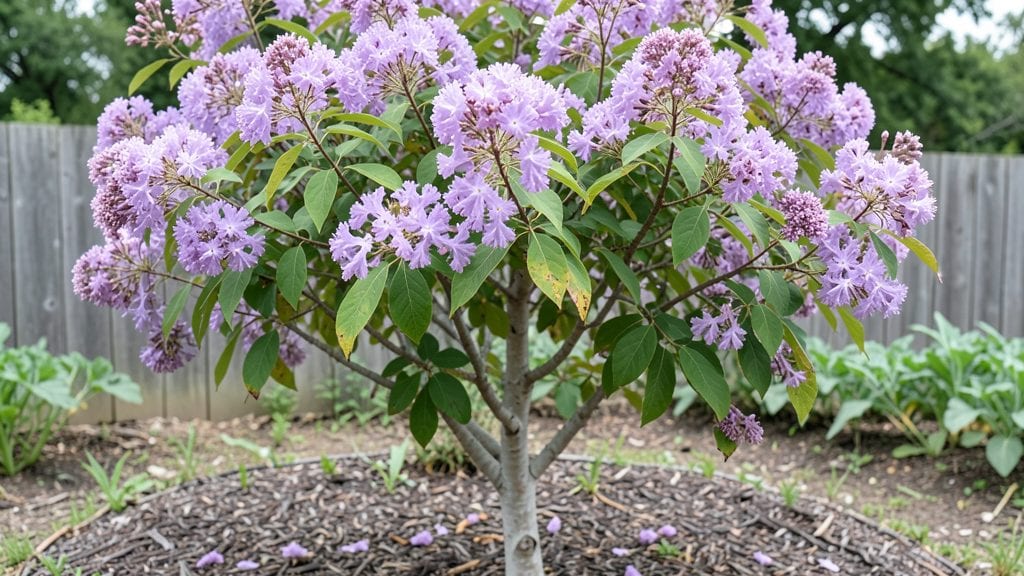
That stunning purple plant tree with its deep, rich foliage transforms any yard into a showstopper year-round. 🌿 I was skeptical about purple-leaved trees until I saw how they anchored my garden design—now they’re the star of every season, from spring blooms to winter structure.
The best part? You don’t need a huge yard to make an impact. Smaller varieties like the Royal Purple Smokebush work beautifully in tight spaces, while bold Purple Leaf Plums create dramatic focal points. Pair them with silvery foliage or soft white blooms to let their color truly pop.
These trees thrive with basic care—full sun, well-draining soil, and minimal pruning. Even in colder climates, their deep hues add warmth when everything else fades. Imagine a privacy screen that never goes out of style.
Whether you’re planting a single statement tree or lining a driveway, purple foliage brings drama without the fuss. Let’s pick the perfect one for your space and climate next!
📚 In This Guide
- What you need
- Instructions
- Tips and common mistakes
- Wrapping up and next steps
What you need
- ● Purple plant tree (Callistemon spp. or similar): 1 young sapling (3–6 feet tall, nursery-grown) OR
- ● 10–20 seeds (if starting from scratch)
- ● Well-draining soil: 50 lbs of garden loam (mix with compost for fertility)
- ○ Optional: 10 lbs of perlite or sand (for sandy soil areas)
- ● Sunlight access: Full sun (6+ hours daily) or partial shade (4+ hours)
- ● Watering supplies: Garden hose or watering can (1–2 gallons per watering)
- ● Digging tools: 1 shovel (for transplanting)
- ● 1 trowel (for seed planting)
- ○ Fertilizer (optional but recommended): Balanced 10-10-10 fertilizer (1 lb per tree)
- ● Slow-release organic granules (e.g., bone meal)
- ○ Mulch (optional): 2–3 inches of wood chips or pine straw (to retain moisture)
- ○ Pruning shears (optional): For shaping young trees (sterilized with rubbing alcohol)
Step-by-Step guide to planting a purple plant tree for year-round color
Here's how to create a stunning, low-maintenance privacy screen that stays vibrant all year.
🌱 Step 1: Choose the Right Location and Prepare the Soil
Select a spot that gets at least 6 hours of sunlight daily. Purple plant trees thrive in full sun, but they tolerate partial shade if you want softer colors. Avoid areas with strong winds that can stress the young trees.
Before planting, loosen the soil to a depth of 12 inches using a shovel or garden fork. This helps roots spread easily. Mix in 2-3 inches of compost to enrich the soil—purple plant trees love well-draining, nutrient-rich soil. If your soil is heavy clay, add a handful of perlite or sand to improve drainage.
🪴 Step 2: Dig the Planting Hole and Plant the Tree
Dig a hole that’s twice as wide as the root ball but no deeper. This encourages roots to spread horizontally rather than settling too low. Gently remove the tree from its container and loosen any circling roots with your fingers.
Place the tree in the hole so the top of the root ball sits 1 inch above ground level. This prevents water from pooling around the trunk, which can cause rot. Backfill the hole with soil, pressing lightly to remove air pockets. Water deeply to settle the soil around the roots.
☀️ Step 3: Mulch and Water for Establishment
Spread 2-3 inches of mulch around the base of the tree, keeping it 3 inches away from the trunk. Use organic mulch like wood chips or shredded bark to retain moisture and regulate soil temperature. This also suppresses weeds, reducing competition for nutrients.
Water the tree deeply once a week during the first growing season, providing 1-2 gallons per tree. Purple plant trees are drought-tolerant once established, but young trees need consistent moisture. You’ll know it’s time to water when the top 1-2 inches of soil feel dry.
✂️ Step 4: Prune for Shape and Encourage Fullness
Prune your purple plant tree in early spring before new growth begins. Remove any dead, damaged, or crossing branches to improve airflow and shape. Cut back leggy growth by one-third to encourage bushier growth.
For privacy screens, aim for a tapered shape—trim the top slightly wider than the base. This creates a natural, full look while allowing sunlight to reach lower branches. Avoid heavy pruning in fall, as new growth won’t harden off before winter.
🌿 Step 5: Maintain Year-Round Color and Health
Fertilize in early spring with a balanced, slow-release fertilizer (10-10-10 ratio). Follow the package instructions, but avoid over-fertilizing, which can lead to excessive leaf growth at the expense of vibrant purple foliage.
Purple plant trees are generally pest- and disease-resistant, but watch for aphids or spider mites. Spray with a hose or insecticidal soap if you notice sticky leaves or webbing. With proper care, your tree will maintain its stunning purple hue year-round, even in winter.
Tips & tricks for perfect purple plant tree planting
A few simple tricks will help you create a thriving privacy screen that stays vibrant all year.
The Sunlight Factor: That 6 hours of sunlight is non-negotiable for maximum purple color. If your yard only gets partial sun, position your tree where it gets the most direct light possible—even just a few extra hours makes a noticeable difference. I've seen trees in partial shade lose about 30% of their vibrant hue compared to full-sun counterparts.
Soil Preparation Secret: When loosening soil to 12 inches deep in Step 1, don't just scratch the surface—really work that fork into the earth. The roots need room to establish quickly, and compacted soil can strangle new growth. If your soil feels like concrete, mix in extra perlite or sand to improve drainage, especially if you're in a clay-heavy area.
Root Ball Placement: The 1-inch elevation above ground level in Step 2 is crucial for preventing rot. I learned this the hard way—burying too deep can suffocate the roots. After planting, press the soil firmly around the edges to eliminate air pockets, then give it a thorough watering to help settle everything in place.
Pruning for Privacy: For that perfect tapered shape in Step 4, aim to trim the top branches about 10% wider than the base. This creates a natural funnel shape that maximizes privacy while still allowing some light to reach lower branches. Avoid cutting into old wood—focus on new growth for the best results and fastest recovery.
Pro Tips for Purple Plant Tree
- A few simple tricks will help you create a thriving privacy screen that stays vibrant all year.
- The Sunlight Factor: That 6 hours of sunlight is non-negotiable for maximum purple color.
- Soil Preparation Secret: When loosening soil to 12 inches deep in Step 1, don't just scratch the surface—really work that fork into the earth.
Frequently asked questions
What’s the best climate for growing a Purple Plant Tree?
The Purple Plant Tree (also called Lagerstroemia) thrives in USDA Zones 7-9, but it’s surprisingly adaptable! It handles heat well (up to 100°F) and even tolerates light frost. For cooler zones, plant it in a sheltered spot or choose a cold-hardy cultivar like ‘Natchez’. Just avoid soggy soil—it hates waterlogged roots!
How long does it take for a Purple Plant Tree to grow and bloom?
Expect moderate growth: 12–24 inches per year under ideal conditions. A young tree (3–5 years old) will start blooming in late spring to summer, with vibrant purple flowers. For faster results, opt for a 3–5 gallon container-grown tree—it’ll skip the “waiting” phase and bloom sooner!
Can I grow a Purple Plant Tree in a pot? If so, what size container do I need?
Potted Purple Plant Trees are perfect for patios, balconies, or small yards. Use a container at least 18–24 inches wide and deep with drainage holes. Choose a lightweight mix (like 60% potting soil + 30% perlite + 10% compost) to prevent root rot. Pro tip: Move pots indoors (or to a garage) if temps drop below 20°F!
Why aren’t my Purple Plant Tree leaves turning purple? Should I be worried?
Don’t panic! Purple foliage fades in bright sunlight (it’s normal). For deeper hues, plant in partial shade (especially in hot climates). Yellowing leaves? Check for overwatering or nutrient deficiencies (try a balanced fertilizer in spring). Brown edges? Could be underwatering or salt buildup—flush the soil with water.
What’s a good alternative if I can’t grow a Purple Plant Tree?
If your climate isn’t ideal, try these colorful, low-maintenance alternatives:
- Crape Myrtle (Lagerstroemia cousin) – Similar blooms, slightly more cold-hardy.
- Japanese Maple (Acer palmatum) – Stunning purple-red leaves (great for shade).
- Smoke Tree (Cotinus) – Fuzzy purple foliage and drought-tolerant.
- Dwarf Lilac (Syringa) – Fragrant purple blooms, compact size.
Bonus:
All these plants love well-draining soil and full sun—just like your Purple Plant Tree!
Wrapping up and next steps
The purple plant tree isn’t just a stunning addition to your landscape—it’s a low-maintenance, year-round color boost that delivers both privacy and beauty with minimal effort. Whether you’re drawn to its vibrant foliage or its adaptability, this plant proves that striking visuals don’t require high upkeep.
Ready to transform your outdoor space? Start by selecting the perfect spot and watch your garden thrive with this easy-care superstar!