Pruning
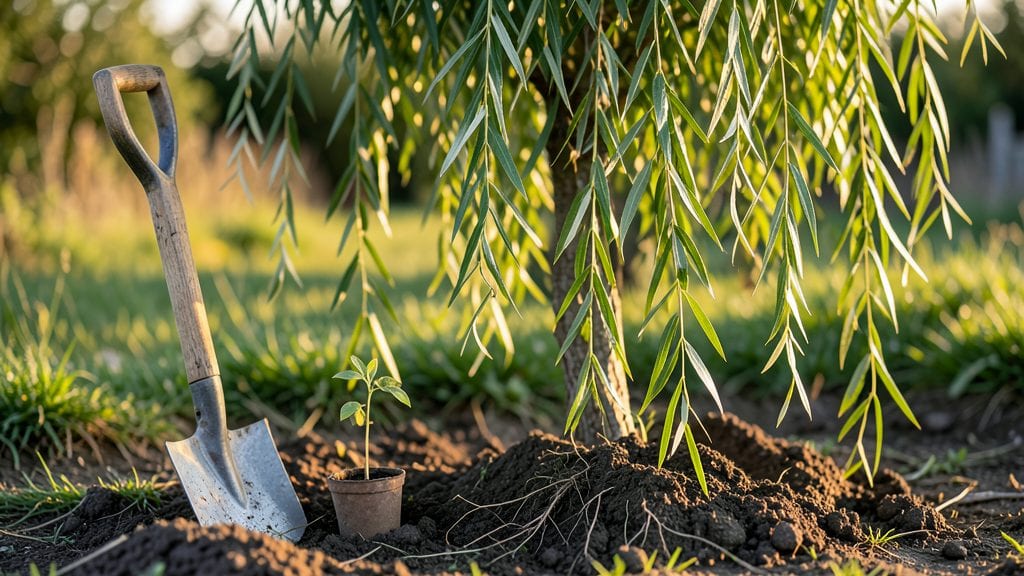
Planting a willow tree means adding living privacy that grows with you—its arching branches create natural screens while the fragrant bark adds unexpected charm to any yard. 🌿 I learned the hard way that willows thrive when planted in moist soil near water, but even in drier climates, the right species can adapt with minimal fuss.
The key is choosing between weeping varieties for graceful draping or pussy willows for early spring interest, then giving them space to spread their roots.
You'll need a spot with at least 15 feet of clearance from buildings or other trees, since willows send out aggressive roots and can grow 10-20 feet wide at maturity.
Dig a hole twice as wide as the root ball but no deeper, then mix in compost to improve drainage—willows hate soggy roots but love consistent moisture. For container-grown trees, gently tease the roots before planting to encourage outward growth.
After planting, soak the soil deeply for 10-15 minutes to eliminate air pockets, then mulch with 2-3 inches of wood chips to retain moisture and suppress weeds. The first year is critical: willows need 1-2 inches of water weekly during dry spells, but avoid waterlogging.
You'll see new growth within weeks, and by year two, that fragrant bark and lush foliage will transform your space into a serene retreat.
Regional tweaks matter—coastal areas can handle salt spray, while inland climates need extra winter protection for young trees. Whether you're planting for privacy, wildlife habitat, or sheer beauty, willows deliver results that keep improving for decades. Here's how to get started right.
📚 In This Guide
- What you need
- Instructions
- Tips and common mistakes
- Wrapping up and next steps
What you need
- ● Willow tree saplings: 1–5 (depending on spacing; Salix babylonica or Salix fragilis are popular choices).
- ● Shovel or digging bar: For planting holes (12–18" wide, 12" deep).
- ● Native soil or potting mix: Well-draining, slightly moist (avoid heavy clay).
- ● Organic compost: 1–2 gallons per tree (blend with soil for nutrients).
- ● Watering can or hose with spray nozzle: For gentle hydration.
- ○ Mulch (optional but recommended): Wood chips or straw (2–3" layer to retain moisture).
- ● Tree stakes & twine (for young saplings in windy areas).
- ● Root stimulator gel (to boost early growth).
- ● Pruning shears (for shaping after planting).
- ● Soil pH tester (willows prefer 6.0–7.5).
- ● Drip irrigation kit (for large-scale plantings).
Step-by-step guide for planting a willow tree
Here’s how to plant a willow tree for privacy and beauty—simple steps for strong roots and fast growth.
🌱 Step 1: Choose the Right Location and Prepare the Soil
Willows thrive near water but adapt to moist soil in most climates. Pick a spot with at least 6 feet of space between trees and structures—willows spread aggressively. Test the soil: willows prefer slightly acidic to neutral pH (6.0-7.5) and wet but well-drained conditions. If your soil is heavy clay, amend it with 2-3 inches of compost mixed into the top 12 inches.
Dig a hole twice as wide as the root ball but only as deep. The top of the root ball should sit 1-2 inches above ground level—this prevents waterlogging. Loosen the roots gently if they’re circling tightly in the container. Here’s the thing—willows hate sitting in stagnant water, so avoid low spots where water pools.
🪴 Step 2: Plant the Willow Tree and Backfill
Place the tree in the hole, centering it so it stands straight. Fill the hole with native soil, tamping down lightly every 2-3 inches to eliminate air pockets. Water deeply to settle the soil around the roots—you’ll know it’s right when the surface looks slightly damp but not soggy. Avoid compacting the soil too hard; willow roots need room to spread.
Mulch the base with 2-3 inches of organic mulch, keeping it 6 inches away from the trunk to prevent rot. Use wood chips or straw—never plastic or rocks, as they disrupt moisture levels. Water again until the soil is thoroughly moist. Real talk: willows drink a lot, so consistent moisture is key in the first 3-4 weeks.
☀️ Step 3: Provide Water and Sunlight
Water the tree deeply 2-3 times per week for the first month, then taper to once a week once established. Willows love sunlight—plant in full sun to partial shade for best growth. If your tree leans toward the light, rotate the pot occasionally while young to encourage straight growth. You’ll see new shoots emerge within 2-4 weeks if conditions are right.
Watch for yellowing leaves—they’re a sign of overwatering or poor drainage. If the soil stays soggy for days, the roots may rot. Adjust your watering based on rainfall: willows in wet climates need less frequent watering than those in dry areas. Here’s the moment that matters: prune any dead or crossing branches in early spring to encourage a strong structure.
✂️ Step 4: Prune and Maintain for Long-Term Growth
Prune willows in late winter or early spring before new growth begins. Remove 1/3 of the oldest branches to encourage fresh, vigorous growth. Cut just above a bud or branch collar to prevent disease. Willows spread quickly, so trim back any suckers that pop up outside your desired area—this keeps the tree contained. I always wear gloves for this step; willow bark can irritate skin.
Fertilize lightly in early spring with a balanced, slow-release fertilizer if your soil is poor. Over-fertilizing leads to fast but weak growth. Monitor for pests like aphids or willow sawflies—spray with neem oil if you spot them early. With proper care, your willow will grow 3-6 feet per year, providing privacy and beauty within a few seasons.
Tips & tricks for perfect willow tree planting
A few key tricks will help your willow tree thrive and grow into a stunning privacy screen faster than you'd expect.
The Soil Depth Secret: When digging that hole twice as wide as the root ball, don't worry about depth too much—willow roots will find their way. The critical part is keeping the root ball's top 1-2 inches above ground level. This small elevation prevents water from pooling around the roots during those first crucial weeks. I've seen too many willows fail because they were planted too deep, causing the roots to suffocate.
Mulch Like a Pro: That 2-3 inches of organic mulch isn't just decoration—it's moisture insurance. Spread it 6 inches away from the trunk to prevent rot while keeping the soil cool and moist. I like to use wood chips because they break down slowly, adding nutrients to the soil over time. The key is to keep it thick enough to suppress weeds but not so thick that it smothers the roots.
Watering Wisdom: Those first 3-4 weeks are make-or-break for willow survival. Water deeply 2-3 times per week until you see water running out of the bottom of the hole—this ensures the roots get properly hydrated. In dry climates, you might need to water daily. The goal is to keep the soil consistently moist but never soggy. Think of it like giving your tree a drink that reaches all the way to its roots.
Pruning Precision: When you remove 1/3 of the oldest branches in late winter, focus on the thickest, most woody stems first. Cut just above a bud or branch collar to prevent disease from entering the wound. I always wear gloves for this step—willow bark can cause skin irritation. The goal is to encourage new growth while maintaining the tree's natural shape. This pruning strategy is what gives willows their fast growth rate of 3-6 feet per year.
Pro Tips for Willow Tree Planting
- A few key tricks will help your willow tree thrive and grow into a stunning privacy screen faster than you'd expect.
- The Soil Depth Secret: When digging that hole twice as wide as the root ball, don't worry about depth too much—willow roots will find their way.
- Mulch Like a Pro: That 2-3 inches of organic mulch isn't just decoration—it's moisture insurance.
Frequently asked questions
Got questions about willow tree planting? You’re not alone! Here are some of the most common concerns—and their simple solutions—to help you grow a thriving, fragrant privacy screen with ease.
When is the best time to plant a willow tree?
Plant willow trees in early spring (just as buds swell) or fall (6 weeks before frost). Avoid planting in summer heat or winter freezes—willows hate soggy roots in cold soil. If you must plant in summer, water deeply 2-3x/week to keep roots moist until cooler temps arrive.
How much water does a newly planted willow tree need?
Willows are water-lovers! Keep soil consistently moist (not soggy) for the first 1-2 years. Water deeply 2-3 times per week in dry spells, aiming for 1-2 inches of water per session. Mulch 2-3 inches around the base (but avoid touching the trunk) to retain moisture.
Can I plant a willow tree in a small yard or container?
Most willows grow wide, not tall, making them great for privacy—but check your variety! Weeping willows (like Salix babylonica) need 20+ feet of space to sprawl. For small yards, try dwarf willows (e.g., Salix caprea ‘Pendula’) or container-friendly varieties in large pots (minimum 15-gallon).
Why are my willow tree leaves turning yellow or brown?
Yellowing leaves often signal overwatering or poor drainage. Brown edges? Likely underwatering or salt buildup from tap water. Check soil moisture (stick your finger 2 inches down—if dry, water; if muddy, reduce frequency). Pests (like aphids) can also cause browning—spray with water or insecticidal soap if needed.
Do willow trees attract bees or other pests?
Willows are bees’ favorites—their early spring blooms provide critical pollen! While they won’t overrun your yard, plant 1-2 feet away from high-traffic areas to avoid buzzing surprises. For pest control, opt for native willow varieties (like Salix discolor), which are less prone to invasive species. Prune dead branches in winter to deter pests.
Wrapping up and next steps
Planting a willow tree is a rewarding way to add year-round beauty, privacy, and natural charm to your landscape. With their fragrant bark, graceful branches, and adaptability, willows offer both practical and aesthetic benefits—whether you’re restoring a waterway or enhancing your backyard. 🌿
Ready to grow your green haven? Start by choosing the right variety for your climate and soil, then gather your tools and follow the steps with care.
Before you know it, you’ll be enjoying the soothing rustle of willow leaves and the striking contrast of their golden bark against the seasons.
Next step: Mark your planting spot, dig your hole, and get those roots in the ground! 🌱