
Pruning
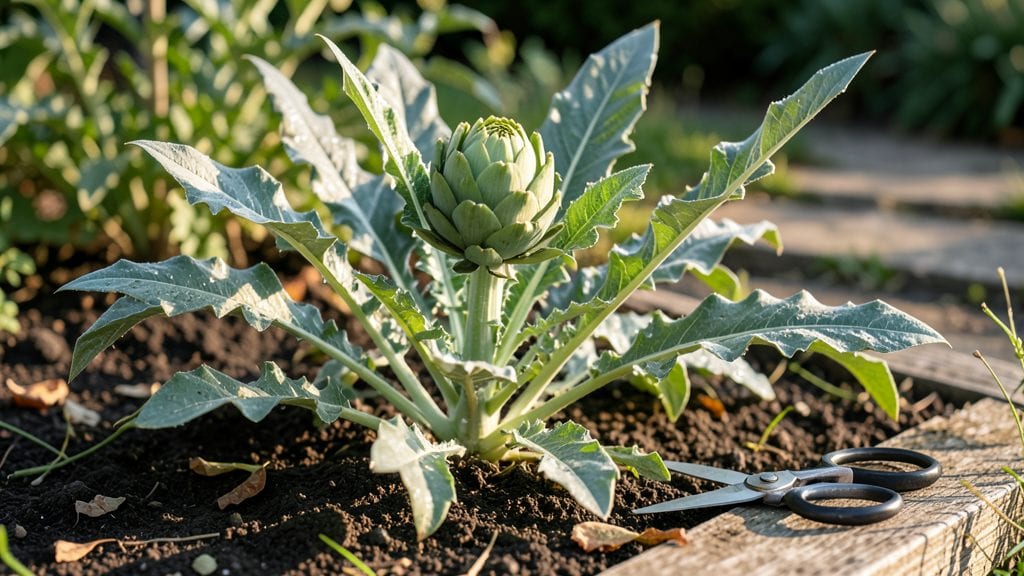
Trimming artichoke plants isn’t just about shaping them—it’s how you unlock year-round growth and bigger harvests. 🌱 I learned this the hard way after my first plants bolted early, all because I missed the right cuts.
The secret lies in three strategic trims that keep the plant focused on producing those prized buds instead of wasting energy on wild side shoots.
You’ll need sharp pruners, a clean bucket for clippings, and about 20 minutes on a clear morning. The key is timing: first trim when plants hit 12 inches tall, then again after harvest, and finally in late fall to prep for winter.
Each cut serves a purpose—removing side shoots early, thinning crowded buds, and cleaning up dead growth—so the plant stays strong and productive.
After just a few weeks of proper trimming, you’ll notice sturdier stems, more uniform buds, and a plant that keeps producing well into fall. The artichokes themselves grow larger and tighter, with fewer bitter leaves to deal with.
It’s the difference between a handful of small, tough buds and a bountiful harvest that lasts months.
Works for both globe and French breakfast artichokes, and the same principles apply whether you’re growing in containers or in-ground. Once you see how trimming transforms your plants, you’ll wonder how you ever skipped this step.
📚 In This Guide
- What you need
- Instructions
- Tips and common mistakes
- Wrapping up and next steps
What you need
- ● Sharp pruning shears: Bypass pruners (for clean cuts) or felco pruners (for durability). Size: 6–8 inches (15–20 cm) for easy handling.
- ● Garden gloves: Heavy-duty, nitrile-coated (for grip and protection against thorns and sap). Quantity: 1 pair.
- ● Disinfectant: Rubbing alcohol (70% isopropyl) or diluted bleach solution (1 part bleach to 9 parts water) to sterilize tools between cuts and prevent disease.
- ○ Pruning saw (optional): For thicker stems or woody growth. Blade type: Fine-toothed (10–12 teeth per inch).
- ● Garden twine or plant ties: Jute or plastic-coated (3–4 mm width) to secure branches if needed.
- ● Know your artichoke variety: Global, Violetto, or Green Globe may have slightly different trimming needs—check growth habits!
- ● Weather window: Trim on a dry, overcast day to reduce stress on the plant (avoid midday heat).
- ○ Mulch (optional): Straw or wood chips (2–3 inches deep) to retain moisture and protect roots post-trimming.
- ● Compost bin or pile: For disposing of trimmings (artichoke stems break down easily!).
How to trim artichoke plants for maximum yield
Here's how I keep my artichoke plants productive year after year with just three strategic cuts.
✂️ Step 1: Early Season Pruning to Encourage Strong Growth
Once your artichoke plants reach 12-18 inches tall, focus on removing any side shoots that form below the main stem. These shoots steal energy from your primary buds. Use clean, sharp pruning shears to cut just above a leaf node—this prevents disease entry points while encouraging upward growth.
The goal here is to create a single, strong central stem. You'll see new leaves emerging from the top—these will develop into your first harvestable buds. If you notice any yellowing or damaged leaves at the base, trim those immediately to redirect energy to the growing points.
🌿 Step 2: Mid-Season Bud Management for Continuous Harvest
When you spot purple-tipped buds forming (about the size of a golf ball), this is your cue to take action. Remove all but 2-3 of the largest, healthiest buds per plant—this prevents overcrowding and ensures bigger, more tender artichokes. Cut buds cleanly at the base with your pruners, leaving a small stub.
Real talk: I used to leave too many buds, and they'd all stay small and tough. Now I focus on quality over quantity. After trimming, water deeply at the base—artichokes are thirsty plants, especially after pruning stress.
✂️ Step 3: Post-Harvest Pruning for Fall/Winter Renewal
After your main harvest season, cut back all remaining stems to 6 inches above ground level. This stimulates fresh growth from the base for a potential second harvest or stronger regrowth next spring. Remove any dead or diseased foliage completely—artichokes are susceptible to fungal issues if left with debris.
Here's the thing—don't prune too late in the season. Stop cutting back 4-6 weeks before your first frost. You want enough time for new growth to harden off before winter. In warmer climates, you might get a small winter harvest from these new shoots.
🌱 Bonus: Year-Round Maintenance Cuts
Throughout the growing season, keep an eye out for any suckers (small shoots) that form at the base. These compete with your main plant for nutrients. Pinch them off when they're 2-3 inches tall—this keeps energy flowing to your established buds rather than new growth.
I also recommend removing any flowers that appear before your main buds form. While artichokes are technically flowers, letting them bloom too early results in smaller, less tender heads. You'll know you're doing it right when your plants focus all their energy on developing those beautiful, edible buds.
Tips & tricks for perfect artichoke plant trimming
These simple tricks will help you maximize your artichoke harvest with minimal effort—and prevent common mistakes that waste your plants' potential.
Tool Selection: Invest in a good pair of bypass pruning shears instead of scissors or dull clippers. Sharp, clean tools make precise cuts that heal faster and reduce disease risk. I sterilize my shears with rubbing alcohol between cuts to prevent spreading any potential fungal spores that could harm your plants.
Visual Cues for Timing: In Step 2, those purple-tipped buds should be about the size of a golf ball—roughly 1.5 to 2 inches in diameter. If you wait until they're larger, the artichokes will be tougher and less tender. I check my plants every 3-4 days during peak season to catch the perfect trimming window.
Seasonal Adaptation: The 4-6 week frost window in Step 3 is crucial—this gives new shoots time to develop 3-4 inches of growth before cold weather sets in. In warmer climates, you can extend this period, but always aim for at least 2 weeks of growth before frost. I've seen second harvests in Zone 9 when I time it right!
Pruning Waste: Don't toss those trimmed buds and leaves! Compost them or use them to make artichoke leaf tea—steep the leaves in hot water for a nutrient-rich fertilizer. The small buds can be cooked like miniature artichokes if you're feeling adventurous. It's a great way to reduce waste and give your garden a nutrient boost.
Pro Tips for Trimming Artichoke Plants
- These simple tricks will help you maximize your artichoke harvest with minimal effort—and prevent common mistakes that waste your plants' potential.
- Tool Selection: Invest in a good pair of bypass pruning shears instead of scissors or dull clippers.
- Visual Cues for Timing: In Step 2, those purple-tipped buds should be about the size of a golf ball—roughly 1.5 to 2 inches in diameter.
Frequently asked questions
Got questions about trimming artichoke plants?
Here are answers to the most common concerns—from timing to troubleshooting—so you can keep your plants thriving year-round!
When is the best time to trim artichoke plants?
Trim artichoke plants in early spring (before new growth starts), summer (after harvest), and fall (to prep for dormancy). Avoid trimming during extreme heat or cold—focus on active growth periods for best results. Prune mature leaves first to encourage new shoots.
How often should I trim my artichoke plants?
Artichokes need 3 key cuts per year: spring (cleanup), summer (post-harvest), and fall (prep for winter). After that, just remove dead or yellowing leaves as needed. Over-trimming stresses plants—stick to 10-15% of foliage per session for healthy regrowth.
What if I trim too much? Can I fix it?
If you’ve trimmed too aggressively, don’t panic! Artichokes are resilient. Water deeply and fertilize with balanced 10-10-10 to support recovery. Avoid trimming again for 4-6 weeks—new growth will return once the plant stabilizes. Prevention tip: Use pruning shears (not scissors) for clean cuts!
Can I trim artichoke plants in winter?
Light trimming in mild winters (e.g., removing dead leaves) is fine, but avoid heavy cuts. In frost-prone areas, wait until spring. Focus on protecting the crown with mulch (straw or wood chips) to shield roots. Pro tip: Trim only brown, damaged foliage—never healthy stems!
What’s an alternative if I miss the trimming window?
No worries! If you skip a season, focus on spring cleanup (remove all dead growth) and summer maintenance (trim after harvest). Artichokes adapt well—just avoid trimming during flowering (buds form here!). For next year, mark your calendar for early spring, mid-summer, and fall cuts.
Still unsure? Snap a photo of your plant and ask—we’re happy to help!
Wrapping up and next steps
Trimming your artichoke plants isn’t just about keeping them tidy—it’s the secret to bountiful harvests and long-term health! 🌿 By mastering the three key cuts (early spring, post-harvest, and winter prep), you’ll encourage robust growth, prevent pests, and maximize your yield.
Whether you’re a seasoned gardener or just starting, these simple steps make the process effortless and rewarding.
Ready to transform your garden? Grab your pruners and give it a try—your future artichoke feasts will thank you! For extra tips, bookmark this guide or explore our pruning calendar to stay on track year-round.