
Landscaping
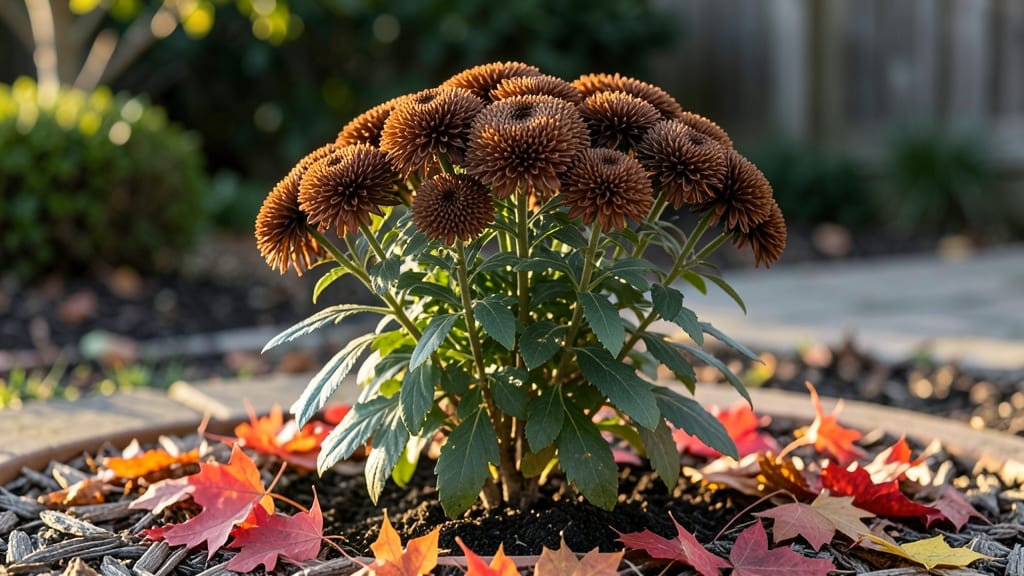
Fall landscaping plants transform your yard into a jewel-toned masterpiece when you choose the right mix of foliage, flowers, and structure. 🌿 I learned the hard way that skipping seasonal plants leaves a garden looking flat by October—now my yard bursts with fiery maples, deep burgundy grasses, and golden ornamental shrubs that last until frost.
The secret isn’t just picking colorful plants—it’s layering them by height and texture. Start with evergreen shrubs like boxwood or holly for structure, add mid-height perennials like coneflowers or black-eyed Susans for color, and top with tall grasses or small trees like serviceberry for drama.
Most of these thrive with minimal fuss once established, and many even return next spring.
By late November, you’ll have a landscape that feels like a painter’s palette—warm oranges, deep reds, and soft golds that catch the light at every angle. The best part? These plants need less water and care than spring bloomers, so you spend more time admiring and less time fussing.
Works in every climate, from Pacific Northwest shade gardens to Southern sun-drenched yards. Here’s how to mix and match for maximum impact with minimal effort.
📚 In This Guide
- What you need
- Instructions
- Tips and common mistakes
- Wrapping up and next steps
What you need
- ● Fall Landscaping Plants (5–10+ varieties): Mums (Chrysanthemums) – 3–5 per cluster
- ● Ornamental Grasses (e.g., Maiden Grass, Fountain Grass) – 3–5 plants
- ● Shrubs (e.g., Hydrangeas, Viburnum) – 2–4 per section
- ● Perennials (e.g., Sedum, Heuchera) – 5–10 plants
- ● Bulbs (e.g., Tulips, Daffodils for spring prep) – 10–20 bulbs
- ● Soil Amendments: Compost (1–2 bags, 40 lbs each)
- ● Organic mulch (2–3 bags, 2–3 cubic feet each)
- ● Basic Tools: Garden trowel or hand shovel
- ● Pruning shears
- ● Garden gloves (1–2 pairs)
- ● Wheelbarrow or bucket (for hauling soil/mulch)
- ● Decorative stones or gravel (for pathways/borders)
- ● Landscape fabric (to suppress weeds)
- ● Fertilizer (slow-release, fall-specific formula)
- ● Potted plants (for containers or instant color)
- ● String lights or outdoor decor (for ambiance)
Instructions for designing a fall landscaping scheme with seasonal impact
Here's how to create a fall garden that keeps color vibrant through winter—no guesswork, just strategic plant pairings.
🌿 Step 1: Select Plants for Layered Seasonal Interest
Start with evergreens like Picea glauca 'Conica' (dwarf Alberta spruce) for year-round structure and Ilex crenata 'Sky Pencil' for fine-textured contrast. These anchor your design and provide a dark green backdrop that makes fall colors pop. Next, add deciduous shrubs with fiery fall foliage: Viburnum bodnantense 'Dawn' for early winter berries and Hamamelis mollis for late-season blooms. I always include one ornamental grass—Miscanthus sinensis 'Zebrinus'—for movement and texture that stays interesting even when dormant.
For perennials, choose Helenium 'Moerheim Beauty' and Sedum 'Autumn Joy' for their bold, late-season blooms that last well into frost. These plants thrive in full sun to part shade and tolerate average garden soil, making them low-maintenance choices. Space them 12-18 inches apart to allow airflow and prevent disease. The key here is diversity: mix heights, textures, and bloom times to ensure continuous color from September through December.
🪴 Step 2: Plan for Year-Round Structure and Contrast
Use three-dimensional layering to create depth. Begin with tall evergreens (like Thuja occidentalis 'Smaragd') at the back, followed by mid-height shrubs (such as Cotoneaster dammeri 'Royal Purple') in the middle layer, and low-growing perennials (like Heuchera 'Palace Purple') in the front. This arrangement ensures visual interest at every height, even when some plants go dormant. I like to incorporate one variegated plant, such as Hosta 'Francee', to add brightness and contrast against deeper fall hues.
Consider foliage color as much as flowers. Plants like Acer palmatum 'Bloodgood' and Physocarpus opulifolius 'Little Devil' deliver rich reds and purples that dominate the landscape in autumn. These plants also provide winter interest with their persistent stems and bark. When designing, group plants with similar cultural needs together—this simplifies maintenance and ensures they thrive in their shared microclimate.
☀️ Step 3: Position for Optimal Sun and Soil Conditions
Most fall landscaping plants prefer full sun (6+ hours daily), but a few, like Hydrangea macrophylla 'Endless Summer', tolerate part shade (3-6 hours of sun). Place sun-loving plants—such as Rudbeckia 'Goldsturm' and Echinacea 'Magnus'–toward the south or west side of your garden. For shade-tolerant options, like Heuchera or Lamium, position them under trees or along north-facing walls where light is filtered.
Amend the soil with 2-3 inches of compost before planting to improve drainage and fertility. Fall is an ideal time to plant because cooler temperatures reduce transplant shock, and plants establish roots before winter. Water deeply once a week (or more in drought conditions) until plants are established, then taper off to encourage deeper root growth. Mulch with 2-3 inches of shredded bark to retain moisture, suppress weeds, and protect roots from temperature fluctuations.
✂️ Step 4: Maintain Through the Season for Long-Lasting Impact
Remove spent blooms from perennials like Echinacea and Rudbeckia to redirect energy into root development, but leave seed heads on grasses and Aster novae-angliae for winter texture and wildlife appeal. Prune back dead or diseased foliage in late winter or early spring, but leave stems of ornamental grasses standing until new growth appears in spring—this adds structure to the winter landscape. I also recommend fertilizing lightly in early fall with a balanced, slow-release fertilizer (10-10-10) to support root growth before dormancy.
Monitor for pests like spider mites or aphids, which can still be active in mild fall weather. Treat infestations early with neem oil or insecticidal soap to avoid damaging plants as temperatures drop. By late fall, reduce watering to once every 2-3 weeks unless drought conditions persist. This encourages plants to harden off naturally for winter, ensuring they bounce back stronger in spring.
Tips & tricks for perfect fall landscaping designs
A few strategic choices can transform your fall garden from ordinary to extraordinary—here's how to maximize seasonal impact while keeping maintenance simple.
The Layering Secret: In Step 2, when planning your three-dimensional structure, remember that the back layer should be 50-75% taller than your front layer. I've found that using the Thuja occidentalis 'Smaragd' at the back creates a perfect vertical anchor—its dense growth naturally frames the mid-height shrubs like Cotoneaster dammeri 'Royal Purple' without competing for attention. This creates that "wow" factor from any viewing angle in your garden.
Plant Pairing Strategy: The key to continuous color from September through December is pairing plants with staggered bloom times and foliage colors. For example, combine Helenium 'Moerheim Beauty' (which blooms until hard frost) with Sedum 'Autumn Joy' (whose flowers turn cinnamon-brown in fall) and Viburnum bodnantense 'Dawn' (which produces winter berries). This trio ensures you have something visually interesting at every stage of the season without requiring constant plant replacements.
Soil Prep Shortcut: Don't overthink soil amendments—focus on the 2-3 inches of compost mentioned in Step 3. While you can test your soil's pH and nutrient levels, I've found that most fall plants thrive in average garden soil once you've added this compost layer. The real secret is proper watering: after planting, water deeply once a week for the first month to establish roots, then reduce to every 2-3 weeks in late fall. This mimics natural rainfall patterns and prevents overwatering.
Winter Interest Hacks: For maximum winter appeal, leave the seed heads on Miscanthus sinensis 'Zebrinus' and Aster novae-angliae through the season. These provide essential structure when most plants go dormant. I also recommend adding one evergreen with interesting bark, like Betula nigra 'Heritage' (river birch), to add texture contrast. Its peeling bark creates visual interest even when surrounded by snow.
Pro Tips for Fall Landscaping Plants
- A few strategic choices can transform your fall garden from ordinary to extraordinary—here's how to maximize seasonal impact while keeping maintenance simple.
- The Layering Secret: In Step 2, when planning your three-dimensional structure, remember that the back layer should be 50-75% taller than your front layer.
- Plant Pairing Strategy: The key to continuous color from September through December is pairing plants with staggered bloom times and foliage colors.
Frequently asked questions
Got questions about fall landscaping plants?
You’re not alone! Here are some of the most common concerns—and their solutions—to help you create a stunning autumn display with confidence.
When is the best time to plant fall landscaping plants?
For most perennials, shrubs, and bulbs, late summer to early fall (around September through October) is ideal. Cooler temps and shorter days reduce stress, giving plants time to establish roots before winter. Pro tip: Check your USDA hardiness zone to align planting with your local frost dates!
Which fall plants require the least maintenance?
Low-maintenance stars include sedum (drought-tolerant), heuchera (colorful foliage), and Russian sage (drought-resistant). For ground cover, try creeping thyme or ajuga. These thrive with minimal watering and pruning—perfect for busy gardeners!
How do I protect fall plants from early frost?
Most hardy fall plants (like mums or ornamental kale) tolerate light frost, but tender varieties need cover. Use frost cloth or mulch (straw or shredded leaves) to insulate roots. Avoid plastic, which can trap moisture and damage plants. Quick fix: Water deeply before frost for extra resilience!
Can I mix fall plants with spring bloomers for year-round color?
Pair spring bulbs (daffodils, tulips) with fall favorites (chrysanthemums, asters) for seamless transitions. Just ensure bulbs are planted at the right depth (6" for most) and choose perennials with staggered bloom times. Example: Plant heuchera (fall color) near alliums (spring blooms).
Why are my fall plants wilting or turning yellow?
Yellowing leaves often signal overwatering or nutrient deficiency. Check soil moisture—fall plants need less water as temps drop. For yellowing edges, add iron supplements or compost. Troubleshoot: If wilting persists, inspect for pests (like spider mites) and adjust care accordingly.
Wrapping up and next steps
Transforming your outdoor space with fall landscaping plants is all about embracing the season’s natural beauty while setting the stage for a stunning winter garden. From fiery maples to fragrant mums, these plants bring warmth, texture, and color—proving that fall is the perfect time to make your landscape shine. 🍂✨
Ready to dive in? Start by sketching your vision, gathering supplies, and picking plants that thrill you—whether it’s bold hues, cozy textures, or wildlife-friendly blooms. Your next step? Grab your gloves, head to the nursery, and let your creativity bloom! 🌱💛