Pruning
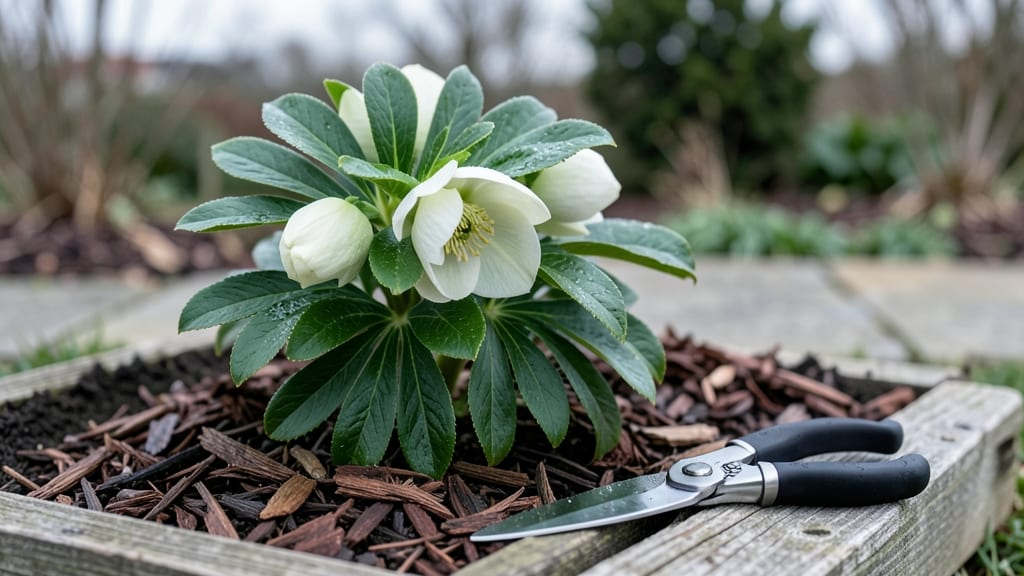
Pruning hellebore plants isn't as tricky as it seems—just two simple trims a year keep them blooming like clockwork. 🌱 I used to dread touching my hellebores, fearing I'd ruin their delicate flowers, but after mastering these two cuts, they've become my garden's most reliable stars.
The secret lies in timing and a sharp pair of shears—no fancy tools or complicated techniques needed.
Most hellebores only need attention twice: once right after their spring blooms fade, and again in early spring before new growth appears. This keeps them tidy, encourages fresh flowers, and prevents those unsightly seed pods from stealing energy.
My Lenten rose varieties, in particular, reward this care with nearly year-round blooms if you stay consistent.
You'll end up with plants that look cleaner, grow fuller, and produce more flowers than ever before. The first trim removes spent blooms, while the second clears out dead foliage—both take just 5 minutes.
No more hiding wilting stems or wondering why your hellebores aren't performing. The results speak for themselves: vibrant blooms from late winter through spring.
Works for all hellebore varieties, from classic Helleborus niger to hybrid Helleborus x ericsmithii. The same principles apply whether you're pruning a single plant or a whole woodland garden. Let's get those shears ready—your hellebores will thank you.
📚 In This Guide
- What you need
- Instructions
- Tips and common mistakes
- Wrapping up and next steps
What you need
- ● Pruning shears – Sharp, clean, and bypass-style (avoid anvil shears to prevent crushing stems). Size: 5–7 inches for precision.
- ● Gloves – Garden gloves (nitrile or leather) to protect against thorns and sap irritation.
- ● Disinfectant – Rubbing alcohol (70%+ isopropyl) or a 10% bleach solution to sterilize tools between cuts.
- ○ Pruning saw (optional) – For thick, woody stems (rare in Hellebores but helpful for mature plants). Blade: Fine-toothed, 7–9 inches.
- ○ Garden twine or plant ties (optional) – To secure stems if heavy blooms require support post-pruning.
- ○ Compost or mulch (optional) – To amend soil after pruning for healthier regrowth.
- ○ Watering can or hose (optional) – For post-pruning hydration, especially in dry conditions.
- ● Weather check – Overcast or early morning conditions to minimize stress on the plant.
Instructions for pruning hellebore plants
This two-step system keeps your hellebores thriving while maximizing those stunning winter-to-spring blooms.
✂️ Step 1: Early Summer Cleanup (After Blooming)
Wait until mid-to-late June—after the last of the flower stalks have faded but before new foliage emerges. This timing ensures you don’t accidentally prune next year’s blooms, which form on stems that develop after flowering. Use clean, sharp pruners to remove any spent flower stalks at their base, cutting just above the first set of healthy leaves.
I always scan the plant first for any yellowed or damaged foliage—these leaves won’t recover and should be trimmed away too. Hellebores are tough, but dead leaves invite pests and disease. Cut back to clean growth, but never remove more than 20% of the foliage—this plant stores energy in its leaves for next year’s blooms.
✂️ Step 2: Late Summer Thinning (For Airflow and Health)
In early August, give your hellebores a second, lighter trim. Focus on thinning out crowded stems to improve airflow—this prevents fungal issues like leaf spot. Look for stems that are growing inward or crossing over others; these compete for sunlight and spread disease. Simply snip them at the base with your pruners, making clean cuts at a 45-degree angle to prevent water from pooling.
Here’s the thing—helleborus foliage is evergreen in many varieties, so don’t overdo it. The goal is to open up the plant, not strip it bare. If you’re unsure, just remove stems that look weak or diseased. You’ll know you’ve done enough when you can see light and air moving through the center of the plant.
🌱 Step 3: Year-Round Monitoring (Preventative Care)
After these two pruning sessions, your work isn’t done—but it’s minimal. Check your hellebores monthly for any new growth that looks leggy or out of place. These plants are slow growers, so any sudden, rapid growth could signal stress or pests. If you spot aphids or mites (common on hellebores), treat immediately with neem oil or insecticidal soap.
Water deeply but infrequently—helleborus roots are shallow, so 1 inch of water per week is plenty, even more in summer. The key is letting the soil dry slightly between waterings. You’ll see healthy plants develop thicker stems and more robust blooms next season if you keep them stress-free.
Tips & tricks for perfect hellebore pruning
These simple but game-changing strategies will help you prune your hellebores like a pro while keeping them healthy and vibrant for years to come.
Timing is Everything: The mid-to-late June window for Step 1 is critical because that's when hellebores begin forming next year's flower buds. I've learned the hard way that pruning too early can accidentally remove these new growth points. Mark your calendar or set a phone reminder—this timing ensures you don't sacrifice next season's stunning blooms for this year's cleanup.
Tool Preparation Matters: Before you start, sterilize your pruners with rubbing alcohol to prevent spreading disease between plants. I use a small bottle of 70% isopropyl alcohol and wipe down the blades between each cut. Sharp tools make clean cuts that heal faster, so take a moment to hone your pruners if they feel dull. This simple step prevents unnecessary stress on your hellebores.
The 20% Rule: Never remove more than 20% of the foliage during Step 1's cleanup. Hellebores store energy in their leaves for next year's growth, so think of each leaf as a tiny solar panel. If you're unsure whether you've exceeded this limit, snap a photo before you start and compare afterward. This visual reference helps maintain the perfect balance between cleanup and plant health.
Angle Awareness: When making cuts in Step 2, that 45-degree angle isn't just for show—it prevents water from pooling at the cut site, which could lead to rot. Imagine making a slice at the corner of a piece of paper; that's the angle you want. For crowded stems, I often make a small notch at the base to help identify where I've already pruned, creating a more organized plant structure over time.
Pro Tips for Pruning Hellebore Plants
- These simple but game-changing strategies will help you prune your hellebores like a pro while keeping them healthy and vibrant for years to come.
- Timing is Everything: The mid-to-late June window for Step 1 is critical because that's when hellebores begin forming next year's flower buds.
- Tool Preparation Matters: Before you start, sterilize your pruners with rubbing alcohol to prevent spreading disease between plants.
Frequently asked questions
Got questions about keeping your hellebores thriving?
Here are answers to the most common concerns—from timing to troubleshooting—so you can prune with confidence!
When is the best time to prune hellebores?
Prune hellebores twice a year: late winter/early spring (after flowering) and late summer/early fall (to tidy up). Avoid pruning in deep winter (dormancy) or peak bloom—this ensures next year’s flowers! For evergreen types, a light trim in spring keeps them neat.
Can I prune hellebores in winter?
Only light pruning is safe in winter—remove dead or damaged leaves (but leave healthy foliage). Heavy pruning in cold months can stress the plant. If your hellebores are evergreen, skip winter cuts entirely. Wait until spring for full pruning sessions!
What if I cut off the flower stems?
Don’t panic! Hellebores are perennial and regrow from the base. Cutting spent blooms (after flowering) encourages new growth and prevents seed production. For Lenten rose types, trim stems to 1–2 inches above the crown to keep them compact.
Do I need to prune hellebores that aren’t flowering?
Yes! Even non-flowering hellebores benefit from annual tidying. Remove yellowed, brown, or ragged leaves in spring or fall to improve air circulation and prevent disease. If the plant looks overcrowded, divide it every 3–4 years for better blooms.
What’s the difference between pruning and deadheading?
Pruning
= Trimming leaves, stems, or overgrowth for shape or health (year-round, but timed). Deadheading = Only removing spent blooms (post-flowering) to redirect energy. For hellebores, pruning includes deadheading—just be gentle to avoid damaging next year’s buds!
Wrapping up and next steps
Pruning your hellebore plants might seem intimidating, but with just two simple trims a year, you can keep them thriving and blooming beautifully! 🌸 The key is timing—focus on deadheading after flowering and a light cleanup in late winter or early spring.
With a little patience and care, your hellebores will reward you with stunning, year-round interest and a garden that feels effortlessly polished.
Ready to give it a try? Grab your pruners, step outside, and watch your hellebores shine—your future blooms will thank you! 🌿 For extra inspiration, browse before-and-after hellebore pruning galleries to see the magic in action.