Pruning
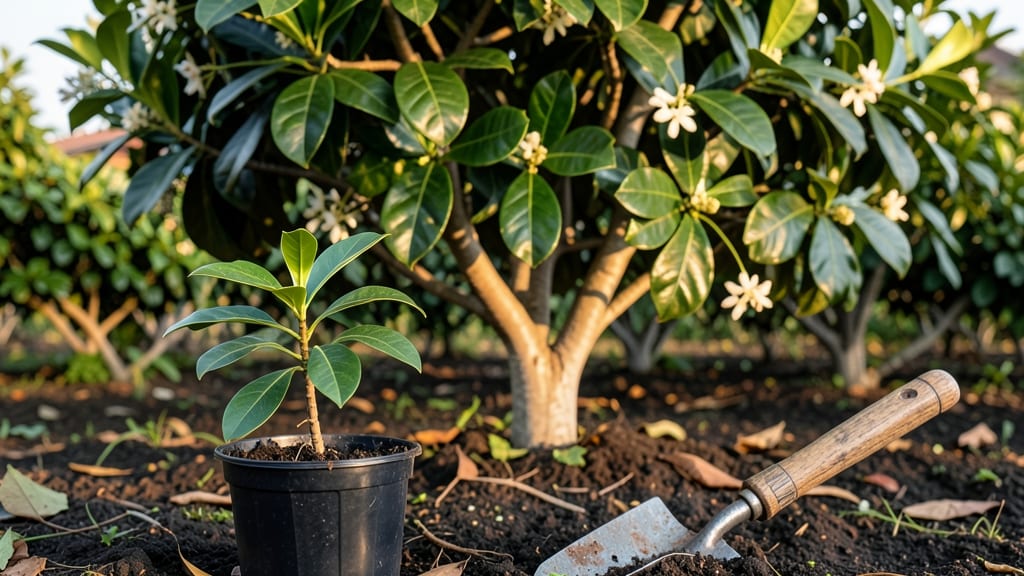
Planting a lychee tree from scratch feels like bringing a slice of Hawaii to your backyard—if you live in the right climate, that is. 🌿 I’ve tried growing them twice, and the second time, after learning from my first mistakes, the tree finally took off, producing fruit in just five years.
The key isn’t just digging a hole; it’s about mimicking the tree’s natural tropical home in your own space.
You’ll need well-draining soil mixed with compost, a spot that gets full sun, and either a grafted nursery tree (for faster fruit) or patience for a seedling (which can take a decade or more to bear fruit).
Most people skip the soil prep, and that’s where young trees struggle—waterlogged roots or poor nutrition stunts growth. I’ve seen lychees thrive in Florida, California’s coastal areas, and even parts of Texas, but they’ll bolt if temperatures dip below 30°F.
Once planted, keep the soil moist but not soggy for the first year, then ease back to watering only when the top inch dries out. Within a few months, you’ll spot new leaves—proof the tree’s settling in.
By year three, expect a sturdy trunk and branches heavy with potential. The sweet, aromatic fruit won’t come overnight, but the journey is worth it for that first taste of homegrown lychee.
Fair warning: lychees need space—at least 20 feet wide at maturity—and they’re picky about cross-pollination. If you’re in a cooler zone, consider container growing near a sunny wall. Here’s how to get started without the common pitfalls that trip up beginners.
📚 In This Guide
- What you need
- Instructions
- Tips and common mistakes
- Wrapping up and next steps
What you need
- ● Lychee sapling: 1 healthy, disease-free tree (preferably grafted for better fruit quality). Choose from nurseries specializing in tropical fruit trees.
- ● Well-draining soil: Mix of topsoil, compost, and perlite/sand (ratio: 60% topsoil, 30% compost, 10% perlite/sand). Aim for a pH of 5.0–6.5 (slightly acidic).
- ● Pot or planting hole: Container option: 1 5-gallon pot or larger with drainage holes (for indoor/urban growers).
- ● Outdoor option: Dig a hole twice as wide as the root ball and as deep.
- ● Organic fertilizer: Balanced 10-10-10 or citrus-specific fertilizer (follow package instructions for application rates).
- ● Mulch: 2–3 inches of pine bark, straw, or wood chips to retain moisture and regulate soil temperature.
- ● Watering can or hose: With a gentle spray nozzle to avoid damaging young roots.
- ● Pruning shears: Sharp, sterilized shears (for shaping and removing dead branches).
- ● Soil moisture meter: To monitor hydration levels (lychee trees hate soggy roots!).
- ● Epsom salt: 1 tablespoon/month during growing season for magnesium boost.
- ● Shade cloth (30–50% coverage): For young trees in hot climates (prevents sunburn).
- ● Drip irrigation system: Automates watering for consistency (great for larger gardens).
- ● Pest control: Neem oil or horticultural oil (prevents aphids, scale, and mites).
- ● Support stake: 1–2 bamboo stakes + soft ties for young trees in windy areas.
Step-by-step instructions for planting a lychee tree
Here's how to get your tropical fruit tree off to a strong start with minimal fuss.
🌱 Step 1: Select and Prepare the Planting Site
Lychee trees thrive in warm climates with full sun exposure—at least 6-8 hours daily. Choose a spot where temperatures stay above 50°F year-round, as cold snaps will kill the tree. If you're in a cooler zone, plant near a heat-retaining wall or use a large container that can be moved indoors during winter.
Dig a hole twice as wide as the tree's root ball but only as deep as the container it came in. Loosen the soil at the bottom with a garden fork to encourage root spread. Mix the removed soil with 2-3 inches of compost—this improves drainage and provides nutrients without overwhelming the young tree. Avoid fresh manure, which can burn delicate roots.
🪴 Step 2: Plant the Tree and Water Deeply
Remove the lychee tree from its container and gently loosen the roots if they're circling. Place it in the hole so the top of the root ball sits level with the surrounding soil—burying the graft union too deep can cause rot. Fill the hole with the amended soil mixture, tamping lightly as you go to eliminate air pockets.
Water deeply until the soil is evenly moist to a depth of 12 inches. You'll know it's right when water drains through the bottom but doesn't pool on the surface. Mulch the base with 2-3 inches of organic mulch, keeping it 6 inches away from the trunk to prevent rot. This conserves moisture and regulates soil temperature—critical for tropical plants.
☀️ Step 3: Establish Care Routines for Healthy Growth
Lychees need consistent moisture during their first year, so water once weekly if rainfall is light. Check the soil 2 inches down—if it feels dry, it's time to water. Overwatering is just as harmful as underwatering, so always let the top inch dry between waterings. Young trees benefit from drip irrigation to deliver water directly to the roots without wetting the foliage.
Fertilize lightly in spring with a balanced 10-10-10 fertilizer, using only half the recommended dose. Too much fertilizer can stress the tree and reduce fruit quality. Prune only to remove dead or crossing branches—lychees produce best when allowed to grow naturally. Watch for scale insects or aphids, which love tender new growth, and treat promptly with neem oil if you spot them.
Tips & tricks for planting a lychee tree
Here's what nobody tells you about giving your tropical tree the best possible start.
Location is Everything: The 6-8 hours of daily sun is non-negotiable—lychees won't tolerate shade. I've seen people plant them near patio umbrellas or under fruit trees, and the results were always disappointing. If your yard doesn't get full sun, consider a large container that can be moved to a sunny balcony or patio during the day. Trust me on this: weak sunlight means weak growth and poor fruit production.
Root Ball Preparation: When removing your lychee from its container, don't just yank it out—gently squeeze the sides to loosen the root ball first. Circling roots (where roots grow around the container) can strangle your tree. If you find them, use your fingers to gently tease them apart. This might seem tedious, but it's the difference between a thriving tree and one that struggles for years to establish itself.
Mulching Wisdom: That 2-3 inches of organic mulch isn't just decoration—it's a tropical plant's best friend. I recommend using wood chips or straw rather than bark mulch, as they break down more slowly and provide better moisture retention. Keep it 6 inches away from the trunk to prevent rot, and remember this mulch will settle over time, so check it every few months and add more if needed. The goal is to maintain that 2-3 inch layer year-round.
Watering Secret: The deep watering technique is crucial—you're not just wetting the surface. I use a long-handled watering wand to check that moisture reaches 12 inches down. A good test is to stick your finger in the soil: if it's dry 2 inches down, it's time to water again. Overwatering is just as deadly as underwatering, so always let the top inch dry out between waterings. This prevents root rot while keeping the soil consistently moist.
Pro Tips for Planting Lychee Tree
- Here's what nobody tells you about giving your tropical tree the best possible start.
- Location is Everything: The 6-8 hours of daily sun is non-negotiable—lychees won't tolerate shade.
- Root Ball Preparation: When removing your lychee from its container, don't just yank it out—gently squeeze the sides to loosen the root ball first.
Frequently asked questions
Got questions about growing your own lychee tree? You’re not alone—this tropical fruit demands care, but the rewards are so worth it! Below, we tackle the most common concerns to help you plant with confidence.
How long does it take for a lychee tree to bear fruit?
A lychee tree typically takes 3–5 years to produce fruit from seed, but grafted trees can bear fruit in just 2–3 years. Patience is key—focus on nurturing strong roots and branches first!
What’s the best time of year to plant a lychee tree?
Plant during the early spring (just before new growth starts) or late winter in warmer climates. Avoid extreme heat or frost—lychees thrive in 70–85°F temperatures.
Can I grow a lychee tree in a pot, or does it need ground planting?
Yes! Lychees adapt well to large containers (15+ gallons) if you live in a cold climate. Use well-draining soil and move pots indoors during winter. Just ensure the pot stays stable—these trees grow tall!
Why aren’t my lychee tree leaves turning green, and how do I fix it?
Yellowing leaves often signal nutrient deficiency (iron/manganese) or overwatering. Test soil pH (ideal: 5.5–6.5) and amend with citrus-friendly fertilizer. Drainage issues? Add perlite or sand!
Are lychee trees self-pollinating, or do I need more than one?
Most lychee varieties are self-pollinating, but planting two trees improves fruit yield. If you’re in a windy area, a second tree ensures cross-pollination. Bonus: More trees = more shade for your garden!
Wrapping up and next steps
Planting a lychee tree is a rewarding journey—one that blends patience with the joy of nurturing something sweet! 🌱 With the right soil, climate, and care, you’ll soon be savoring homegrown lychees in just a few years. Remember: consistency is key, whether it’s watering, pruning, or protecting your tree from pests.
Now that you’re armed with knowledge, take the next step—mark your calendar for planting season and gather your supplies. Whether you’re a seasoned gardener or a beginner, every lychee tree starts with a single seedling. Get growing! 🌟