Trees
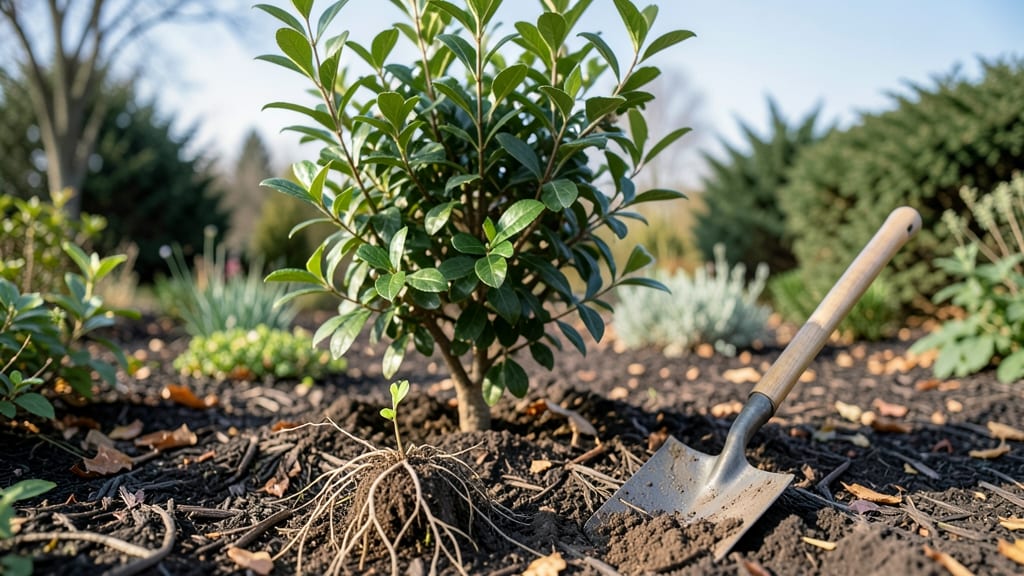
Planting blueberry trees in sun-loving soil starts with a secret most gardeners miss—the right balance of acidity, drainage, and organic matter. I’ve planted dozens of these finicky bushes, and the ones thriving today all share one thing: soil that mimics their natural boggy, acidic homes.
The payoff? Sweet, juicy berries that taste nothing like store-bought—more like summer in a jar. 🌿
First, pick your variety: highbush for warmer zones (like mine in Zone 6) or lowbush for cooler climates. Both need full sun (6+ hours daily) and soil with a pH between 4.5 and 5.5—think pine needles, peat moss, or sulfur amendments if your soil tests higher.
Bare-root trees are cheaper but need immediate planting; container-grown ones give you a head start on established roots. Either way, dig holes twice as wide as the root ball and amend the soil generously.
After planting, water deeply to settle the soil, then mulch with 2-3 inches of pine bark to keep roots cool and acid levels stable. The first year is all about patience—your tree won’t fruit yet, but it’s building roots for a decade of harvests.
I’ve seen first berries appear by year 3 with proper care, and once established, they’re surprisingly drought-tolerant. The real magic happens when you taste your first homegrown blueberry, still warm from the sun.
Pro tip: Test your soil before planting—blueberries hate alkaline soil, and lime treatments can ruin years of work. If your yard isn’t naturally acidic, amend the planting hole thoroughly and retest annually. For container growers, use acid-loving plant mixes and fertilize with cottonseed meal in early spring.
Whether you’re planting one bush or a whole patch, the key is mimicking their native conditions. Ready to get started?
📚 In This Guide
- What you need
- Instructions
- Tips and common mistakes
- Wrapping up and next steps
What you need
- ● Blueberry bushes: 2–5 plants (choose southern or northern varieties based on your USDA zone)
- ● Well-draining soil: 50–70% acidic (pH 4.5–5.5); amend with peat moss or pine bark if needed
- ● Organic mulch: 2–3 inches of pine needles or wood chips (avoid cedar—it’s toxic!)
- ● Fertilizer: Acid-loving plant fertilizer (e.g., Osmocote or cottonseed meal)
- ● Garden tools: Trowel or spade
- ● Pruners (sterilized)
- ○ Gloves (optional but recommended!)
- ● Watering supplies: Hose with a gentle nozzle or drip irrigation system
- ● Stakes & twine: 3–4 stakes per plant (for support during establishment)
- ● Soil pH test kit: To monitor acidity levels (aim for 4.5–5.5)
- ● Epsom salt: Magnesium boost for young plants (1 tbsp per plant annually)
- ● Bird netting: Protects ripening berries from hungry critters!
- ● Blueberry pollinator-friendly plants: Companion flowers like bee balm or lavender
Step-by-step instructions for planting blueberry trees
Here’s how to plant blueberry trees for maximum berry production—soil prep is where the magic happens.
🌱 Step 1: Choose the Right Location and Prepare the Soil
Blueberries thrive in full sun—select a spot with at least 6-8 hours of direct sunlight daily. They’re acid-loving plants, so test your soil first. Aim for a pH between 4.5 and 5.5; if yours is higher, amend it with peat moss or sulfur months before planting. Dig a hole twice as wide as the root ball but only as deep—planting too deep smothers the roots.
Loosen the surrounding soil to encourage root spread. Blueberries hate compacted soil, so mix in 2-3 inches of organic matter, like compost or well-rotted leaf mold, to improve drainage and fertility. Avoid fresh manure—it raises pH and burns roots. If your soil drains poorly, consider planting on a slight mound to prevent waterlogging.
🪴 Step 2: Plant the Tree at the Correct Depth and Stake for Support
Remove the tree from its container and gently tease the roots outward if they’re circling. Place it in the hole so the top of the root ball sits 1-2 inches above ground level. This prevents soil from washing over the graft union during heavy rains. Fill the hole with amended soil, tamping it lightly to remove air pockets but avoiding compaction.
Water deeply to settle the soil, then add a 2-inch layer of pine bark mulch around the base, keeping it 3 inches away from the trunk. Mulch retains moisture and slowly acidifies the soil over time. Install a stake if needed—young blueberry trees benefit from support, especially in windy areas. Tie the trunk loosely with soft fabric, leaving room for growth.
☀️ Step 3: Water Deeply and Monitor Soil Moisture
Blueberries need consistent moisture but hate soggy roots. Water immediately after planting, then again every 2-3 days until the soil is 6-8 inches deep and evenly moist. Check by sticking your finger into the soil—it should feel damp but not waterlogged. Overwatering suffocates roots, while underwatering stresses the plant. Drip irrigation or soaker hoses work best to deliver water directly to the root zone.
During the first growing season, avoid fertilizing—newly planted trees rely on stored energy. Instead, focus on keeping the soil moist and protected. You’ll know you’re on track when new growth appears within 4-6 weeks. If leaves yellow or drop, it’s often a sign of overwatering or poor drainage—adjust your routine accordingly.
✂️ Step 4: Prune and Fertilize for Long-Term Health
Prune in late winter or early spring before new growth begins. Remove any dead, diseased, or crossing branches, then cut back any suckers growing from the base. Thin out crowded branches to improve airflow and sunlight penetration. Aim to shape the tree into an open vase form—this encourages fruit production and reduces disease risk. Use clean, sharp pruners to make cuts just outside the branch collar.
In early spring, apply a slow-release, acid-loving fertilizer with a 12-12-12 or 10-10-10 NPK ratio, following package instructions. Avoid high-nitrogen fertilizers—they promote leafy growth at the expense of fruit. Instead, focus on balanced nutrition. Reapply mulch annually to maintain soil acidity and moisture levels. With proper care, your blueberry tree will reward you with harvests in 2-3 years.
Tips & tricks for perfect blueberry tree planting
Here's what I've learned after planting dozens of blueberry bushes—these details make all the difference between a struggling plant and a thriving berry producer.
Soil Science Matters: The 4.5-5.5 pH range isn't just a suggestion—it's critical. I test my soil annually and adjust with elemental sulfur if it creeps above 6.0. For the 2-3 inches of organic matter, I use a 50/50 mix of compost and well-rotted pine needles, which also helps maintain acidity naturally. Don't skip the mound if your soil drains poorly—blueberry roots need oxygen as much as moisture.
Planting Depth Precision: That 1-2 inch elevation above ground level is non-negotiable. I mark the depth on the container before planting to ensure accuracy. If you plant too deep, the graft union (where the scion meets the rootstock) can rot from soil contact. For container-grown trees, gently squeeze the root ball to check for any hidden depth markers before planting.
Watering Wisdom: The 2-3 day watering schedule assumes average rainfall. In my dry climate, I water every other day during the first season, always checking that moisture reaches 6-8 inches deep. I've learned the hard way that blueberries tolerate drought better than soggy soil—consistent moisture is key, not constant saturation. A moisture meter is worth the investment for first-timers.
Pruning Pro Tips: When shaping your tree into an open vase form, aim for 3-5 main branches spaced evenly around the trunk. I prune in late winter when the tree is still dormant but buds are starting to swell—this timing prevents stress. For the first two years, I focus on removing only dead wood and crossing branches, letting the tree establish its structure naturally.
Pro Tips for Planting Blueberry Trees
- Here's what I've learned after planting dozens of blueberry bushes—these details make all the difference between a st...
- Soil Science Matters: The 4.5-5.5 pH range isn't just a suggestion—it's critical. I test my soil annually and adjust ...
- Planting Depth Precision: That 1-2 inch elevation above ground level is non-negotiable. I mark the depth on the conta...
Frequently asked questions
Got questions about planting blueberry trees? You’re not alone!
Here are answers to the most common concerns—from timing to troubleshooting—so you can grow a thriving bush with confidence.
When is the best time to plant blueberry trees?
Plant bare-root blueberries in late fall or early spring (before buds swell) for ideal establishment. Container-grown bushes can go in spring through early fall, but avoid extreme heat. Pro tip: If planting in summer, water deeply 2–3 times weekly to reduce transplant shock.
How long does it take for blueberry trees to bear fruit?
Patience pays off! Most varieties take 2–3 years to produce fruit, with peak harvests starting at 4–5 years. Dwarf bushes may fruit sooner (1–2 years), but all need proper care—like acidic soil and consistent watering—to reward you with berries.
Can I grow blueberry trees in hot climates?
Choose southern highbush varieties (like ‘Southern Belle’ or ‘Peach Sorbet’) bred for heat tolerance. Mulch heavily to retain moisture, plant in partial shade (if temps exceed 90°F), and water deeply during dry spells. Heat hack: Prune in late winter to improve airflow and reduce stress.
What if my blueberries taste bland or don’t ripen?
Bland berries often signal low acidity (test soil pH—ideal is 4.5–5.5) or underripe fruit. Boost flavor by:
- Amending soil with peat moss or sulfur for acidity.
- Ensuring full sun (6+ hours daily) and consistent water.
- Harvesting when fully blue and plump (not red/purple).
Are there low-maintenance blueberry alternatives?
Yes! Try blueberry bushes (like ‘Top Hat’ or ‘Pink Lemonade’) for easier care than trees—they’re compact, produce faster, and need less pruning. For trees, dwarf varieties (under 6 ft) reduce upkeep while still delivering harvests. Space saver: Grow in containers with acidic potting mix if space is tight!
Wrapping up and next steps
Planting blueberry trees is a rewarding journey that combines patience, care, and a love for nature.
By choosing the right soil, location, and variety, you’ll be well on your way to harvesting sweet, juicy berries for years to come. Now’s your chance—dig in, get your hands dirty, and watch your garden thrive!
Ready to take the next step? Start by sketching a simple planting plan or researching local nurseries for the perfect blueberry saplings. Your future harvests will thank you! 🌱✨