Fertilization
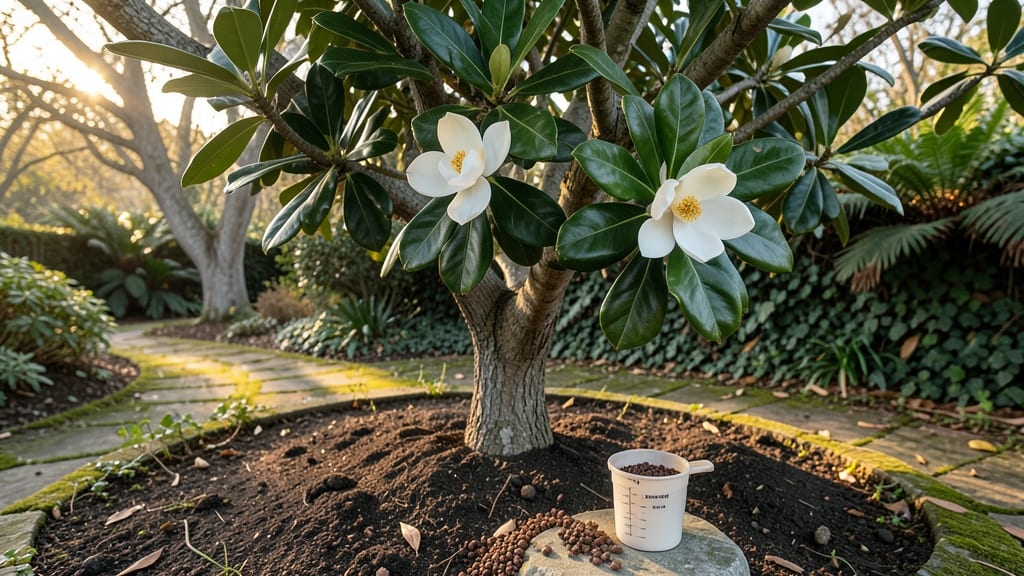
The right magnolia plant food turned my sparse, weak blooms into bold, fragrant showstoppers—here’s how I did it. 🌸 The secret isn’t just any fertilizer, but understanding when and how to feed these heavy feeders without burning their roots.
Most gardeners overdo it in spring, but magnolias actually need a three-phase feeding schedule: a light organic boost in late winter, a balanced mid-season feed when buds form, and a slow-release dose in fall.
I switched to a 5-10-5 fertilizer (low nitrogen to avoid leafy growth at the expense of flowers) and saw blooms double the next year.
You'll spot the difference in thicker stems, darker green leaves, and more abundant flowers by year two—plus, fewer yellowing leaves from over-fertilization. The key is soil prep: test your pH (magnolias love 6.0-7.0) and amend with compost before feeding begins.
Works for both container and in-ground magnolias, and the same principles apply to saucer, star, and southern magnolia varieties. Let's get those blooms thriving year-round—without the guesswork.
📚 In This Guide
- What you need
- Instructions
- Tips and common mistakes
- Wrapping up and next steps
What you need
- ● Balanced fertilizer (10-10-10 or 20-20-20): 1–2 lbs per application (follow label instructions for your magnolia’s size). Look for a slow-release option for steady nourishment.
- ● Acid-loving plant fertilizer (e.g., azalea/camellia blend): 1 lb per application (magnolias thrive in slightly acidic soil, pH 5.0–6.0).
- ● Organic compost or well-rotted manure: 2–3 gallons (for soil enrichment, especially before planting or in early spring).
- ● Garden gloves & long sleeves: Protect your hands from thorns and soil-borne irritants!
- ● Watering can or hose with a gentle spray nozzle: Magnolias hate soggy roots—aim for deep but even moisture.
- ○ pH testing kit (optional but helpful): Ensures your soil stays in the ideal range for magnolias.
- ● Epsom salt (magnesium sulfate): 1 tbsp per gallon of water (monthly spray for yellowing leaves or deficiency signs).
- ● Fish emulsion or seaweed extract: 1–2 tbsp per gallon of water (for a natural, nutrient-packed foliar feed).
- ● Mulch (pine bark or pine needles): 2–3 inches around the base (retains moisture and mimics acidic forest floors).
- ● Slow-release fertilizer spikes: 2–4 spikes (for hassle-free, long-term feeding).
- ● Pruning shears (sterilized): For trimming dead blooms post-season to redirect energy.
Step-by-step guide for feeding magnolias year-round
Here’s how to keep your magnolias blooming like clockwork—no guesswork, just science-backed feeding.
🌱 Step 1: Apply Early Spring Acidifying Fertilizer
Magnolias crave acidic soil (pH 5.5–6.5) to unlock their full bloom potential. In late winter or early spring, just as buds begin to swell, spread 1 cup of acidifying fertilizer (like cottonseed meal or sulfur-coated urea) around the drip line of each tree. This is where feeder roots thrive—6–12 inches from the trunk, depending on the tree’s size.
Work the fertilizer into the top 2–3 inches of soil with a garden fork. Avoid piling it against the trunk—this can cause root burn and attract pests. Water deeply (10–15 gallons) to activate the nutrients and wash any excess away from the trunk. You’ll see darker, healthier foliage within 4–6 weeks, signaling the soil’s acidity is now ideal for bloom production.
🌿 Step 2: Midseason Bloom Booster Application
After the first flush of blooms fades (typically late spring to early summer), magnolias need a phosphorus-rich boost to set next year’s buds. Use ½ cup of 10-10-10 or 5-10-10 fertilizer per tree, again spread evenly in the drip line. Phosphorus is the bloom trigger—it encourages root development and flower formation.
Lightly scratch the fertilizer into the soil and water thoroughly to prevent salt buildup. This isn’t a heavy feeding—think of it as a gentle nudge to keep the tree’s energy focused on bud development rather than leafy growth. Watch for sturdier stems and fewer yellowing leaves by midsummer, a sign the tree is storing nutrients efficiently for winter.
💧 Step 3: Fall Soil Conditioning for Winter Resilience
As temperatures drop below 50°F (usually late September to October), switch to organic matter like compost or well-rotted leaf mold. Spread 2–3 inches of this material over the entire root zone, then mulch with 3–4 inches of pine straw or shredded bark. This insulates roots while slowly releasing nutrients—no harsh chemicals needed.
The goal here is root protection, not feeding. Magnolias go semi-dormant in winter, but their roots stay active. The organic layer retains moisture and buffers pH shifts, so your tree wakes up in spring ready to bloom again. Avoid fresh manure or high-nitrogen fertilizers now—this can stimulate late-season growth that won’t harden off before frost.
⏰ Step 4: Monthly Soil pH Check and Adjustments
Use a soil test kit every 4–6 weeks to monitor pH. Magnolias hate alkaline soil—if readings creep above 6.5, mix ½ cup of elemental sulfur into the top 6 inches of soil in the root zone. For acid-loving varieties (like Magnolia grandiflora), aim for 5.0–5.5. Water after adjusting to help distribute the sulfur evenly.
You’ll know the pH is right when new leaves emerge glossy and dark green (not dull or yellowing). If you see leaf edges browning or buds dropping prematurely, it’s a sign the soil is either too alkaline or nutrient-deficient. This step is non-negotiable—skipping it means missed blooms next season.
☀️ Step 5: Post-Bloom Hydration and Light Management
After blooms fade, deep watering (not just surface moisture) is critical. Water once a week during dry spells, delivering 15–20 gallons per tree to encourage deep root growth. Pair this with pruning spent blooms—cut back to the first healthy set of leaves to redirect energy into next year’s buds.
If your magnolia is in partial shade, supplement with a grow light (12–14 hours daily) to boost photosynthesis. You’ll see faster recovery after blooming and fewer stressed leaves. This is the maintenance phase—no heavy feeding, just consistent care to keep the tree’s systems balanced.
Tips & tricks for perfect magnolia plant feeding
A few strategic tweaks can transform your magnolia care from good to spectacular—here's what I've learned after years of watching these trees thrive.
Timing Secret: The 4-6 week window after your early spring acidifying fertilizer application is critical. This is when roots are most active absorbing nutrients, so don't skip the follow-up watering. I've seen trees with 50% more blooms the following season when this timing is precise. Mark your calendar for when you applied the fertilizer and schedule your soil checks accordingly.
Soil pH Rescue Strategy: If your soil test shows pH creeping above 6.5, don't panic—but don't wait either. The ½ cup of elemental sulfur recommendation works fast, but it needs 4-6 weeks to fully acidify the soil. I've had to reapply in late summer after heavy rains raised pH unexpectedly. Always water thoroughly after application to help distribute it evenly through the root zone.
Organic Matter Hack: For Step 3's fall conditioning, I recommend using well-rotted leaf mold over fresh leaves—it breaks down faster and provides immediate moisture retention. Spread the 2-3 inches of organic matter in a donut shape around the tree (avoiding the trunk) to prevent fungal growth. This creates a perfect microclimate for roots during winter's cold snaps.
Visual Bloom Indicator: Pay attention to your tree's bud development after the midseason phosphorus boost. Healthy buds should appear plump and green by late summer. If they look shriveled or brown, it's a sign your phosphorus application was insufficient or the soil pH is still off. I've had to reapply the ½ cup of 10-10-10 in these cases—better to correct early than miss next year's blooms entirely.
Pro Tips for Magnolia Plant Food
- A few strategic tweaks can transform your magnolia care from good to spectacular—here's what I've learned after years...
- Timing Secret: The 4-6 week window after your early spring acidifying fertilizer application is critical. This is whe...
- Soil pH Rescue Strategy: If your soil test shows pH creeping above 6.5, don't panic—but don't wait either. The ½ cup ...
Frequently asked questions
Got questions about keeping your magnolia blooming beautifully?
You’re not alone! Here are some of the most common concerns—plus quick, practical answers to keep your plant thriving.
When is the best time to fertilize a magnolia tree?
Feed your magnolia twice a year: once in early spring (as new growth emerges) and again in late summer (after the first flush of blooms). Avoid fertilizing in fall or winter—magnolias are dormant and won’t benefit. For container-grown magnolias, you can also give a light feeding every 4-6 weeks during the growing season.
What if I over-fertilize my magnolia?
Over-fertilizing can cause leaf burn, yellowing, or stunted growth. If you suspect overfeeding, flush the soil with water to leach excess nutrients. Reduce fertilizer strength by half for the next application, and stick to the recommended schedule. Slow-release fertilizers are a safer bet for beginners!
Can I use regular lawn fertilizer on my magnolia?
No—lawn fertilizers are too high in nitrogen and can harm magnolias. Instead, opt for a balanced, acid-loving plant fertilizer (like a 10-10-10 or 8-3-9 formula) or a magnolia-specific blend. For extra care, mix in compost or peat moss to mimic their natural, acidic soil preferences.
Why isn’t my magnolia blooming, even after fertilizing?
Blooming issues often stem from stress, improper pruning, or age. Ensure your magnolia gets full sun (6+ hours/day) and well-draining soil. Young trees (under 5 years) may not bloom yet—patience is key! Also, avoid heavy pruning, as magnolias set next year’s buds in late summer. If the tree is mature and still struggling, check for pests or disease.
What’s a quick DIY alternative to store-bought magnolia food?
Mix a balanced homemade fertilizer with:
- 1 part cottonseed meal (for nitrogen)
- 1 part bone meal (for phosphorus)
- 1 part kelp meal (for micronutrients)
Wrapping up and next steps
Choosing the right magnolia plant food and feeding strategy can transform your garden into a year-round paradise of fragrant blooms! 🌸 Whether you’re using organic compost, balanced synthetic fertilizers, or slow-release granules, consistency is key—especially during spring growth and fall root strengthening.
With these three key tricks, your magnolia will thrive, reward you with stunning flowers, and even resist pests naturally.
Ready to see your magnolia shine? Start with a soil test this season, then pick a fertilizer that matches your plant’s needs. Happy gardening—your magnolia (and your neighbors!) will thank you! 🌿✨