Vegetables
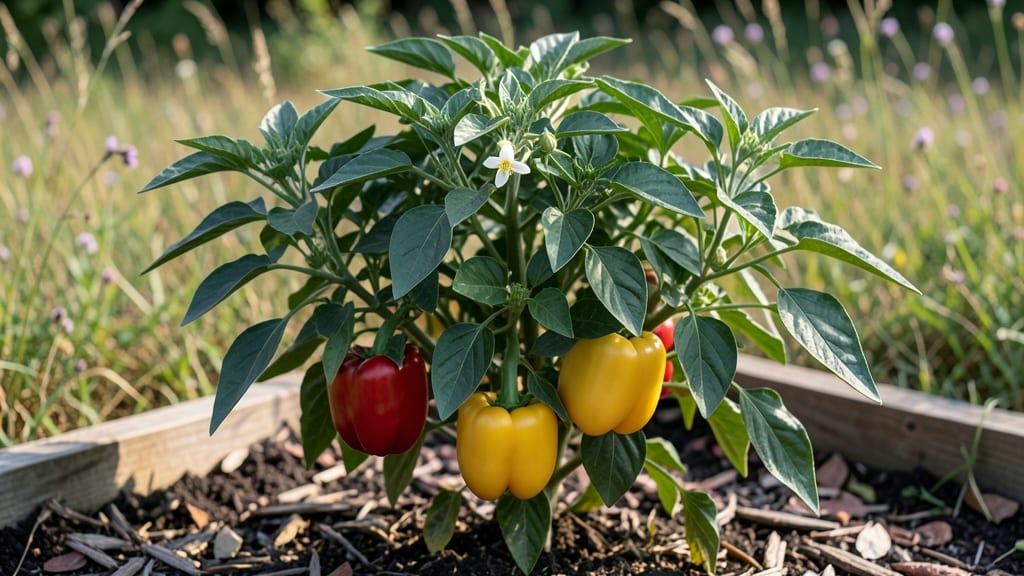
The Lesya pepper plant delivers year-round harvests with minimal fuss—something I learned after my first winter greenhouse experiment. That first bite of homegrown pepper in December changed everything, and now I’m sharing the exact tricks that keep these compact plants producing through every season.
They’re the perfect solution for small spaces or apartment balconies, where traditional peppers struggle to thrive.
You’ll need just three key ingredients: a 5-gallon container with drainage, a well-draining potting mix, and a grow light or sunny south-facing window. Lesya peppers handle cooler temps better than most varieties, but they still crave 6-8 hours of light daily—even in winter.
The real secret? Pruning back leggy growth in early spring triggers bushier plants that keep fruiting until frost. My plants now produce peppers from May through November, with occasional winter harvests when I add a heat mat.
What sets Lesya apart is their sweet, mild heat—like a cross between a bell pepper and a jalapeño—and their disease resistance, which means fewer sprays and more eating.
You’ll spot the first fruits in 60-70 days, and each plant keeps giving until you’re overwhelmed with peppers to share. The only catch? They need consistent moisture—never soggy soil, but never bone-dry either. A moisture meter saves guesswork here.
Works in containers, raised beds, or in-ground gardens—just avoid planting them where tomatoes or other nightshades grew last year. If pests show up, a neem oil spray or soapy water wash keeps them at bay without harsh chemicals.
Once you master these tricks, you’ll never buy store peppers again. Ready to grow your own pepper stash?
📚 In This Guide
- What you need
- Instructions
- Tips and common mistakes
- Wrapping up and next steps
What you need
- ● Lesya pepper seeds or seedling: 1-3 plants (check if heirloom or hybrid for your climate).
- ● Containers or garden bed: For containers: 5-gallon pots or larger (minimum 12" deep) with drainage holes.
- ● For outdoor beds: Well-draining soil in a sunny spot (6+ hours of sunlight daily).
- ● High-quality potting mix: 10-15 lbs (sterilized, well-draining blend like 60% peat/40% perlite or coconut coir).
- ● Slow-release fertilizer: 1 lb (balanced 10-10-10 or organic options like composted manure).
- ○ Grow lights (optional for indoor/early growth): LED or fluorescent lights (12-16 hours/day).
- ● Watering can or hose with gentle nozzle: For consistent moisture without over-saturating.
- ● Pruning shears: Sharp, sterilized pair for trimming and harvesting.
- ● Support stakes or cages: 1-2 per plant (bamboo or metal, 3-4 ft tall).
- ● Seedling heat mat: For germinating seeds faster (70-80°F ideal).
- ● Calcium supplement (e.g., crushed eggshells or lime): Prevents blossom-end rot.
- ● Mulch (straw or black plastic): Retains soil moisture and regulates temperature.
- ● pH test kit: Ensures soil pH is 6.0-6.8 (peppers thrive in slightly acidic soil).
- ● Compost or worm castings: Boosts soil fertility naturally.
Simple instructions for growing a thriving Lesya pepper plant
Here's the straightforward approach I've used to keep Lesya peppers producing through every season.
Select the Right Container and Soil Mix
Lesya peppers need room to grow, so choose a container at least 12 inches deep with drainage holes—these plants hate soggy roots. I use 5-gallon fabric grow bags because they allow excess moisture to evaporate while still providing sturdy support for the plant's weight. Fill the bottom third with orchid bark for aeration, then add a 3-gallon mix of high-quality potting soil blended with 1 cup perlite for drainage.
The soil should feel like a damp sponge—not wet or dry. Press it gently around the base of the plant to eliminate air pockets, but don't compact it. Lesya peppers thrive in slightly acidic to neutral soil, so if your mix runs alkaline, add a handful of sphagnum peat moss to lower the pH slightly. This ensures the roots can access nutrients efficiently from the start.
Plant and Provide Immediate Support
Place your Lesya pepper plant in the container so the top of the root ball sits ½ inch below the rim. This prevents soil from spilling out when you water. Gently firm the soil around the base, then insert a 6-foot bamboo stake into the center of the pot. Secure the main stem loosely with soft plant ties—you want room for the plant to thicken as it grows. I always plant in late spring after the last frost, but if you're growing indoors, start now and supplement with grow lights for 14 hours daily.
Water deeply until water runs freely from the drainage holes, then let the plant drain completely. Lesya peppers are sensitive to overwatering, so wait until the top 2 inches of soil feel dry before watering again. This prevents root rot while keeping the plant consistently moist. Place the container in a spot with full sun exposure—at least 8 hours daily—or under high-intensity grow lights if indoors.
Fertilize and Prune for Continuous Harvests
After the first 4 weeks, switch to a balanced liquid fertilizer (like 10-10-10) diluted to half strength. Apply every 2 weeks during the growing season to encourage fruiting. Lesya peppers are prolific, so pinch off the first few flowers if you want larger peppers later—this redirects energy to stronger growth. Once the plant reaches 3 feet tall, trim back the top 2 inches to promote bushier growth and more fruit production.
Here's the trick: prune strategically. Remove any suckers (side shoots) that form in the leaf axils, but leave the first 2-3 sets of leaves intact. This ensures the plant puts energy into fruit rather than foliage. Harvest peppers when they reach 3-4 inches long—regular picking encourages the plant to produce more. If you're growing indoors, rotate the pot ¼ turn weekly to prevent the plant from leaning toward the light.
Extend the Season with Simple Tricks
To keep Lesya peppers producing through fall and winter, move them indoors before temperatures drop below 50°F. Place them near a south-facing window or under grow lights for 12-14 hours daily. Reduce watering slightly in cooler months—the soil will dry more slowly. If you notice leaves yellowing, it’s often a sign of overwatering or nutrient deficiency. Adjust your care accordingly: let the soil dry out more between waterings or add a balanced fertilizer to revive growth.
In late winter, prune back any leggy growth and fertilize lightly to stimulate new shoots. By early spring, your Lesya pepper will be ready to move back outdoors or resume indoor growth. The key is consistency—light, warmth, and regular care keep these plants fruiting year-round. With this approach, you’ll enjoy fresh peppers even in the dead of winter.
Tips & tricks for perfect year-round Lesya pepper growth
These simple yet game-changing tips will help you maximize your Lesya pepper plant's productivity while avoiding common pitfalls that can stunt growth or reduce harvests.
Container Selection: While the instructions recommend 5-gallon fabric grow bags, you can also use traditional plastic pots with drainage holes—just ensure they're at least 12 inches deep. The key is proper aeration; fabric bags prevent root circling while allowing moisture evaporation, but any container with drainage works if you monitor soil moisture closely. For multiple plants, consider using a raised garden bed with excellent drainage to accommodate several Lesya peppers together.
Light Management: The 14 hours of daily grow light requirement is non-negotiable for indoor growing, but you can optimize natural light by placing your plant near a south-facing window during winter months. If using artificial lights, position them just 6-12 inches above the plant and adjust the height as it grows. LED grow lights are most energy-efficient for this purpose. Remember that Lesya peppers need intense light to produce fruit—if leaves appear pale or leggy, you're not providing enough light.
Pruning Strategy: When you reach the 3-foot height and trim the top 2 inches, make your cut just above a leaf node where new growth will emerge. This encourages bushier growth and more fruit production. For the first 2-3 sets of leaves you're instructed to leave intact, focus on the lower leaves near the base—these are crucial for photosynthesis and supporting the plant's overall health. Regularly inspect for suckers (those side shoots) and remove them promptly to direct energy toward fruit production rather than foliage.
Seasonal Transition: The 50°F threshold for moving indoors is critical—waiting until temperatures drop below this can shock the plant. When transitioning from outdoor to indoor growing, do it gradually over 3-4 days to acclimate the plant. In cooler months, reduce watering frequency since the soil will retain moisture longer. The 12-14 hours of light requirement remains constant year-round, so maintain consistent lighting even during winter months when natural light is scarce.
Pro Tips for Lesya Pepper Plant
- These simple yet game-changing tips will help you maximize your Lesya pepper plant's productivity while avoiding comm...
- Container Selection: While the instructions recommend 5-gallon fabric grow bags, you can also use traditional plastic...
- Light Management: The 14 hours of daily grow light requirement is non-negotiable for indoor growing, but you can opti...
Frequently asked questions
How long does it take for a Lesya pepper plant to produce fruit?
The Lesya pepper plant typically starts flowering and producing peppers 60–90 days after transplanting, depending on light, temperature, and care. In ideal conditions (warmth + full sun), you might see your first peppers as early as 3–4 months from seed. Patience pays off—consistent care speeds up the process!
Can I grow Lesya peppers indoors year-round, and what’s the best setup?
Lesya peppers thrive indoors with 12+ hours of bright LED grow lights (or a sunny south-facing window) and temperatures between 70–85°F. Use a self-watering pot (1–2 gallons per plant) and a balanced fertilizer every 4–6 weeks. Just watch for spider mites—dust leaves occasionally to prevent them!
Why are my Lesya pepper leaves turning yellow, and how do I fix it?
Yellow leaves usually mean overwatering, nutrient deficiency, or root stress. Check your soil—it should be moist but not soggy. If the yellowing starts at the bottom leaves, it’s likely overwatering or poor drainage. For top leaves, it’s often underwatering or heat stress. Adjust your watering schedule and ensure pots have drainage holes.
Are Lesya peppers hot or sweet? Can I substitute them in recipes?
Lesya peppers are mildly sweet with a subtle fruity heat (1,000–5,000 Scoville units)—think banana pepper meets a hint of jalapeño. They’re versatile for fresh eating, roasting, or pickling! Substitute them 1:1 for bell peppers in salads or jalapeños in salsas**—just taste first, as heat varies by plant.
What’s the easiest way to propagate Lesya pepper plants?
Propagation is simple! Snip a 4–6 inch stem just below a leaf node, strip the lower leaves, and dip it in rooting hormone. Plant it in moist perlite or coconut coir and keep it warm (75°F+) with indirect light. Roots should form in 2–4 weeks. Pro tip: Use a clear container to monitor root growth!
Bonus Tip: Troubleshooting Table
| Issue | Likely Cause | Quick Fix |
|---|---|---|
| No flowers | Too little light or cold temps | Move to brighter light (14+ hrs/day) and keep above 65°F |
| Peppers dropping | Overwatering or temperature swings | Reduce watering; keep temps stable (70–85°F) |
| Stunted growth | Nutrient deficiency (especially nitrogen) | Fertilize with a balanced 10-10-10 mix every 3 weeks |
Wrapping up and next steps
Growing a Lesya pepper plant is your ticket to a year-round supply of vibrant, flavorful peppers—no green thumb required! 🌱 With the right lighting, soil, and care, you’ll enjoy a bountiful harvest that keeps giving, season after season.
Whether you’re a beginner or a seasoned gardener, these three simple tricks make it easier than ever.
Ready to dive in? Start by gathering your supplies, then follow the steps to nurture your plant with confidence. Your first homegrown Lesya pepper is just a few weeks away! 🌶️✨