Companion Plants
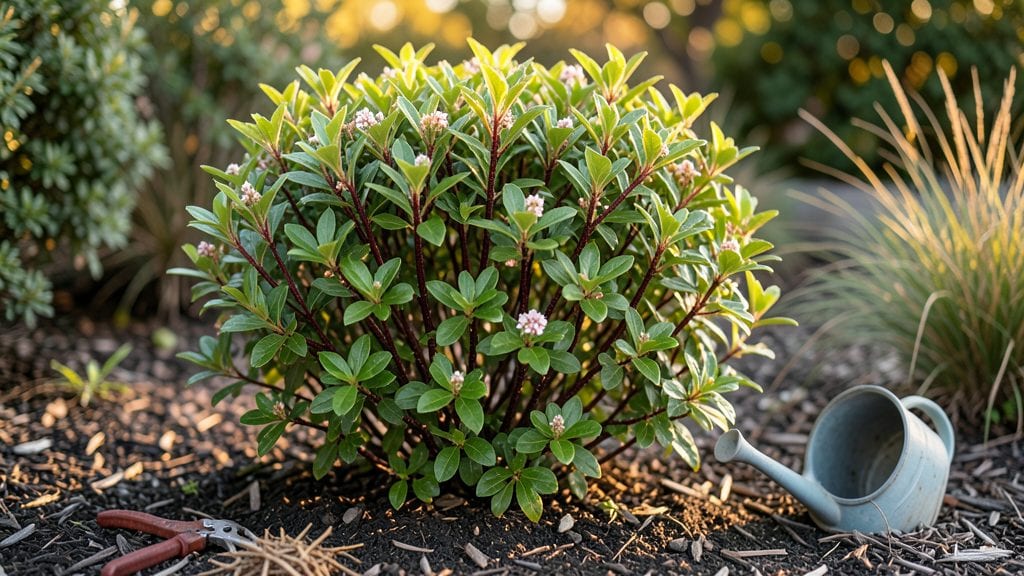
Fall faux plants bring autumnal drama to your garden without the fuss of dying back real foliage. 🌿 I’ve used them to create instant seasonal texture—think velvety burgundy ornamental grasses, frosty white berries, and deep bronze leaves—that stays perfect all season long.
The best part? No wilting, no browning, and no last-minute panic when frost hits.
You’ll want a mix of realistic faux plants (look for lifelike stems and natural fiber textures) and lightweight materials (polyester or silk blends) that won’t snap in wind or rain.
Start with 3-5 focal pieces—like a faux hydrangea bush or a cluster of faux sunflowers—to anchor your design before layering in smaller accents. Color-wise, pair rich autumn tones (burnt orange, deep red) with natural neutrals (beige, gray, moss green) for a balanced look.
The magic happens when you place faux plants strategically: tuck them behind real perennials to fill gaps, use them as container fillers for empty pots, or create a low-maintenance border along walkways.
They’ll also extend your seasonal interest—think evergreen faux boxwoods peeking through golden fall leaves or faux pumpkins blending into a harvest-themed bed. The result? A garden that looks intentional, not neglected.
Pro tip: Mix faux with real—place faux plants near benches, patios, or entryways where they’ll be seen daily, while keeping real plants in high-traffic growing areas.
And don’t forget: faux plants are pet- and kid-friendly, too. Once you try them, you’ll wonder how you ever struggled with seasonal transitions before.
📚 In This Guide
- What you need
- Instructions
- Tips and common mistakes
- Wrapping up and next steps
What you need
- ● Artificial fall foliage: 1–2 bunches of faux leaves (maple, oak, or birch) in autumn hues—orange, red, gold, or burgundy. Opt for realistic, textured varieties (e.g., silk or polyester).
- ● Base structure: 1–2 wire or foam plant stands (for height, ~18–24" tall).
- ● OR a wooden or ceramic vase (for a rustic look).
- ● Floral wire or hot glue gun (for securing leaves).
- ● Scissors or pruning shears (for trimming stems/leaves).
- ● Twine or burlap ribbon (to tie stems or add texture).
- ● Dried flowers or berries (e.g., dried pampas grass, cranberries, or acorns) for natural accents.
- ● Spray paint (matte finish) to distress faux leaves or bases for a vintage vibe.
- ● Small LED fairy lights (battery-operated) for a magical glow.
- ● Fake moss or lichen to add texture to the base.
- ● 🔍 Check leaf density: Thicker foliage = more realistic but may need light trimming.
- ● 🌡️ Work in a well-ventilated area if using hot glue (fumes can be strong!).
- ● ✨ Mix textures: Combine matte and glossy faux leaves for dimension.
Instructions for crafting fall faux plants with seasonal flourish
Transform your space with autumnal elegance—no gardening skills required. These faux plants bring rich texture and seasonal charm while demanding zero maintenance.
🪴 Step 1: Gather Materials for Realistic Construction
Start with 4 wire plant frames—they’ll form the skeleton of your faux plants. Choose frames that match the shapes of your target plants: tall and slender for grasses, rounded for shrubs, and bushy for trees. I like to bend the wire slightly at the base to mimic natural root flare, giving that "just-planted" realism.
Next, select 4 ounces of faux moss and 12 inches of twine for each plant. The moss will create that lush, ground-cover texture perfect for autumnal bases. Fluff the moss with your fingers to separate the fibers—this makes it easier to shape around the wire later. Keep it slightly damp (not wet) to help it hold its form as you work.
🌿 Step 2: Wrap and Shape the Wire Frame
Begin by wrapping the twine tightly around the wire frame, starting at the base and working upward. Leave about 2 inches of bare wire at the top—this will anchor your foliage later. I like to make the twine wraps slightly uneven, mimicking natural branch growth where some areas are denser than others.
For texture, gently bend the wire at random intervals to create "branches." Focus on the upper 60% of the frame, leaving the bottom 40% relatively smooth to resemble a trunk or main stem. If you’re crafting a bushy plant, add smaller wire branches radiating outward—think of how a real shrub fills out over time.
💧 Step 3: Attach Faux Foliage for Autumnal Realism
Now, select 12 inches of faux leaves (preferably in fall colors like burnt orange, deep red, or golden yellow). Start at the top of the frame and work downward, securing leaves with hot glue at the base of each branch. Space them 1-2 inches apart—closer together for dense foliage, wider for a more airy look.
For extra depth, tuck 2 ounces of faux berries or pinecones into the branches. These add seasonal interest without overwhelming the design. If you’re crafting a grass-like plant, wrap 4 inches of faux grass strands around the lower half of the frame, securing with twine. Fluff the grass upward to mimic natural movement in the breeze.
✂️ Step 4: Add Finishing Touches for Seasonal Texture
Sprinkle 1 ounce of faux acorns or seed pods around the base of each plant to enhance that autumnal forest floor effect. Press them lightly into the moss so they look like they’ve naturally fallen. For a final touch, lightly dust the foliage with fall-colored spray paint (use a light mist to avoid clumping).
Let the paint dry completely before arranging your faux plants. Here’s the thing—realism comes from asymmetry. Don’t make all the branches identical; vary their lengths and leaf density slightly. This mimics how real plants grow organically, not uniformly.
☀️ Step 5: Display and Maintain for Long-Lasting Beauty
Place your faux plants in indirect light to preserve their colors. Direct sunlight can fade artificial foliage over time, so avoid windowsills or outdoor exposure during peak sun hours. If you’re using them outdoors, store them in a dry, shaded area when not in use to prevent UV damage.
Dust them occasionally with a soft brush or compressed air to keep them looking fresh. Unlike real plants, these require zero watering, pruning, or pest control. Just enjoy the seasonal texture year after year—no upkeep, all impact.
Tips & tricks for perfect fall faux plants
A few strategic moves will transform your faux plants from crafty to completely convincing. The secret lies in attention to detail that mimics nature's imperfections.
Wire Frame Realism: In Step 1, when bending your wire frames, create subtle imperfections—no plant grows perfectly straight! Gently twist sections at random angles to mimic natural growth patterns. For tree-like plants, leave the bottom 40% smooth while adding irregular branches in the top 60%. This creates that organic, lived-in look that makes faux plants believable.
Moss Texture Technique: The 4 ounces of faux moss you use should be fluffed thoroughly before application. Work it into the base in small clumps rather than spreading it evenly—real moss grows in dense patches, not uniform coverage. Lightly mist it with water before pressing into place to help it hold its shape and create that freshly-planted appearance.
Foliage Placement Strategy: When attaching the 12 inches of faux leaves in Step 3, overlap some leaves slightly at the edges to create depth. Place the largest leaves toward the outer edges of branches, gradually reducing size toward the center. This mimics how sunlight reaches different parts of a plant, creating that natural gradient of leaf sizes. The 1-2 inch spacing guideline works best when you vary it—some branches should be denser than others.
Seasonal Color Enhancement: That final spray paint touch in Step 4 deserves special attention. Use a light misting motion to avoid pooling, and apply in circular patterns to mimic natural light reflection. For extra realism, let the paint dry completely before arranging—this prevents smudging when you position your plants. If you're short on time, focus on the most visible branches first, as they'll make the biggest visual impact.
Pro Tips for Fall Faux Plants
- A few strategic moves will transform your faux plants from crafty to completely convincing. The secret lies in attent...
- Wire Frame Realism: In Step 1, when bending your wire frames, create subtle imperfections—no plant grows perfectly st...
- Moss Texture Technique: The 4 ounces of faux moss you use should be fluffed thoroughly before application. Work it in...
Frequently asked questions
Got questions about fall faux plants?
You’re not alone! Here are answers to the most common queries to help you create stunning seasonal displays with minimal fuss.
What’s the difference between faux plants and real fall foliage?
Faux plants are artificial—made from durable materials like silk, polyester, or plastic—and won’t wilt, shed, or require watering. Real fall foliage offers natural colors but demands pruning, pest control, and seasonal replacement. Faux plants win for low-maintenance elegance!
When is the best time to add faux plants to my decor?
Anytime! Unlike real plants, faux foliage doesn’t have a “planting season.” Add them before fall (August–September) for instant seasonal impact, or swap them out after the holidays for year-round versatility. Pro tip: Pair them with fake acorns, pumpkins, or burlap for extra coziness.
Are faux plants worth the investment compared to real ones?
While faux plants cost more upfront ($20–$100+ per piece), they save time, money, and stress long-term. No fertilizers, no deadheading, and no replacing them yearly. For high-traffic areas (like porches or patios), they’re a smart, reusable choice.
How do I keep faux plants looking fresh in rain or wind?
Most faux plants are weather-resistant, but heavy rain or strong winds can flatten them. Store them under a covered porch or garage during storms, and shake off debris gently. For outdoor use, opt for UV-resistant materials to prevent fading. Bonus: A quick wipe with a damp cloth keeps them dust-free!
Can I mix faux plants with real ones for a hybrid look?
Yes! Combine faux plants with low-maintenance real greenery (like boxwoods or ornamental grasses) for texture. Use faux foliage in high-traffic spots (like table centers) and real plants in garden beds. Just avoid pairing real leaf-droppers (like maples) with faux ones—messy cleanup ahead!
Wrapping up and next steps
Fall faux plants are the perfect way to embrace seasonal charm without the fuss of real foliage—ideal for busy gardeners or renters craving that cozy autumn vibe. 🍂 From durable silk leaves to lightweight foam options, these decor pieces bring warmth and texture to your space with zero maintenance.
Whether you’re dressing up a porch, patio, or indoor nook, faux plants let you enjoy the season’s beauty effortlessly.
Ready to transform your space? Start small—pick one statement piece or a cluster of faux plants to test your newfound love for low-maintenance decor. With endless styles and colors, the possibilities are as endless as your creativity! 🌿✨