Container Gardens
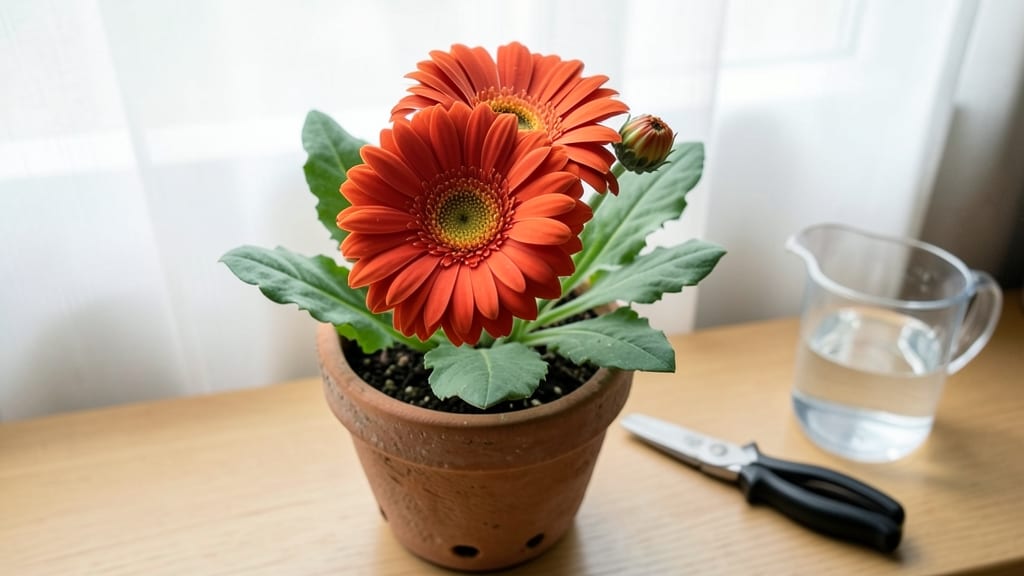
Growing a daisy indoor plant like the cheerful Gerbera Daisy 🌼 lets you enjoy vibrant blooms year-round without a garden.
Imagine waking up to a burst of cheerful blooms every morning—without stepping outside. These low-maintenance beauties thrive in pots, turning any windowsill into a sunlit garden. Whether you’re a beginner or a seasoned plant parent, they’re the perfect way to bring nature indoors.
With the right light, soil, and care, your Gerbera Daisy can flourish for months, rewarding you with bold colors and happy faces. Let’s dive into the simple steps to keep yours blooming like a pro.
You’ll learn how to pick the perfect spot, water just enough, and avoid common mistakes that kill indoor daisies. By the end, your home will feel like a blooming oasis—no green thumb required!


Best daisy varieties for indoor growing and their care requirements
Indoor daisies can transform your living space with their vibrant blooms, but not all varieties thrive indoors. The Gerbera Daisy and African Daisy are my top picks for indoor growing—they’re cheerful, low-maintenance, and perfect for brightening up small spaces.
Each variety has unique light, water, and temperature needs, so choosing the right one depends on your home’s conditions.
If you’re new to indoor gardening, start with Gerbera daisies—they’re the most forgiving and bloom prolifically with the right care. For a more compact option, the African Daisy (Osteospermum) offers long-lasting flowers and drought tolerance.
Below, I’ve broken down their care requirements to help you pick the perfect daisy for your indoor garden.
summary-table
| Variety | Light Needs | Water Needs | Temperature | Mature Height | Bloom Season |
|---|---|---|---|---|---|
| Gerbera Daisy | Bright indirect, 4-6 hrs/day | Keep soil lightly moist | 60-75°F (15-24°C) | 12-18 inches | Spring-Fall |
| African Daisy (Osteospermum) | Bright indirect, 6+ hrs/day | Let soil dry slightly between watering | 65-75°F (18-24°C) | 6-12 inches | Year-round (with proper light) |
| Mini Shasta Daisy | Bright indirect, 5-6 hrs/day | Moderate, avoid soggy soil | 60-70°F (15-21°C) | 8-12 inches | Summer-Fall |
For Gerbera daisies, prioritize bright indirect light—they’ll wilt if placed in harsh direct sunlight, but they need plenty of light to bloom. Position them near an east-facing window or use a grow light for 6-8 hours daily if natural light is limited.
These daisies thrive in 60-75°F (15-24°C) temperatures, so avoid drafty areas like near AC vents or heaters.
Watering Gerbera daisies requires balance: keep the soil lightly moist but never soggy. Stick your finger an inch into the soil—if it’s dry, it’s time to water.
Overwatering leads to root rot, a common killer of indoor daisies. Use a pot with drainage holes and a well-draining potting mix to prevent waterlogging.
The African Daisy is more drought-tolerant, making it ideal for forgetful gardeners. Let the top inch of soil dry out between waterings, and reduce watering in winter months when growth slows. This variety loves warmer temperatures (65-75°F) and can handle slightly lower humidity, which is great for dry indoor environments.
If you love the classic look of Shasta daisies, opt for the Mini Shasta Daisy variety—it’s compact enough for indoor growing. Place it in bright indirect light and maintain moderate moisture in the soil.
Unlike its outdoor counterparts, this variety blooms best with consistent 5-6 hours of light daily, so supplement with a grow bulb in winter if needed.
All indoor daisies benefit from humidity levels around 50%. If your home is dry, especially in winter, use a pebble tray or humidifier nearby to keep leaves from browning.
Mist the foliage lightly in the morning, but avoid wetting the flower heads—this can cause rot and shorten bloom time.
Fertilizing is key to encouraging continuous blooms. Use a balanced liquid fertilizer (10-10-10) every 4-6 weeks during the growing season (spring and summer). In fall and winter, reduce feeding to every 8-10 weeks or skip it entirely if the plant looks dormant.
Always water your daisy before fertilizing to prevent root burn.
Pruning spent blooms is a game-changer for indoor daisies. Deadhead wilting flowers regularly to encourage new growth and prevent the plant from putting energy into seed production. Use clean,
Step-by-step guide to growing daisy plants indoors from seeds or cuttings
Growing daisies indoors is simpler than you think! Whether you start with daisy seeds or stem cuttings, these cheerful blooms thrive in containers with the right care. I’ve grown Gerbera daisies indoors for years, and the key is replicating their natural light and soil conditions.
Let’s break down the process so you can enjoy vibrant blooms year-round.
Indoor daisies need well-draining soil and bright indirect light to flourish. Unlike outdoor varieties, they can’t handle direct sun, which can scorch their delicate petals. Choose a 6-inch pot with drainage holes to prevent root rot—a common issue with indoor plants.
Now, let’s dive into the step-by-step process tailored for your home setup.
How to Grow Daisy Plants Indoors
-
Step 1: Choose Your Propagation Method
Start with fresh daisy seeds or healthy stem cuttings (4-6 inches long). For seeds, select a compact variety like Gerbera or African Daisy, which adapt well indoors.
-
Step 2: Prepare the Soil Mix
Use a lightweight potting mix blended with perlite or sand (20% ratio) to ensure drainage. Daisy roots hate soggy soil, so avoid heavy garden soil.
-
Step 3: Plant Seeds or Cuttings
For seeds: Sow ¼-inch deep in moist soil, spacing them 1 inch apart. Cover with a plastic dome or wrap to retain humidity. For cuttings: Dip stems in rooting hormone, then plant in moist soil, burying 2 inches of the stem.
-
Step 4: Provide Ideal Light Conditions
Place your pot near an east or west-facing window for 4-6 hours of indirect light daily. If natural light is limited, supplement with a grow light 12 inches away for 6 hours.
-
Step 5: Water Gently and Consistently
Water when the top inch of soil feels dry. Use room-temperature water and avoid wetting the leaves to prevent fungal diseases. Empty the saucer after 10 minutes to stop waterlogging.
-
Step 6: Fertilize for Blooms
Feed with a balanced liquid fertilizer (10-10-10) every 4-6 weeks during spring and summer. Reduce feeding in fall and winter to encourage dormancy.
-
Step 7: Transplant When Needed
Repot every 2 years or when roots crowd the container. Choose a pot just 1-2 inches larger in diameter to avoid shocking the plant.
Once your daisies establish roots (usually 6-8 weeks for seeds, 3-4 weeks for cuttings), you’ll notice new growth signaling success. Prune spent blooms to encourage more flowers, and rotate the pot weekly for even light exposure. With these steps, your indoor daisies will reward you with continuous blooms all year!
Pro tip: Group your daisies with other low-light-tolerant plants like snake plants or pothos to create a thriving indoor garden corner. Just remember, daisies are finicky about humidity—place a tray of water nearby to mimic their outdoor environment.
🌼