
Vegetables
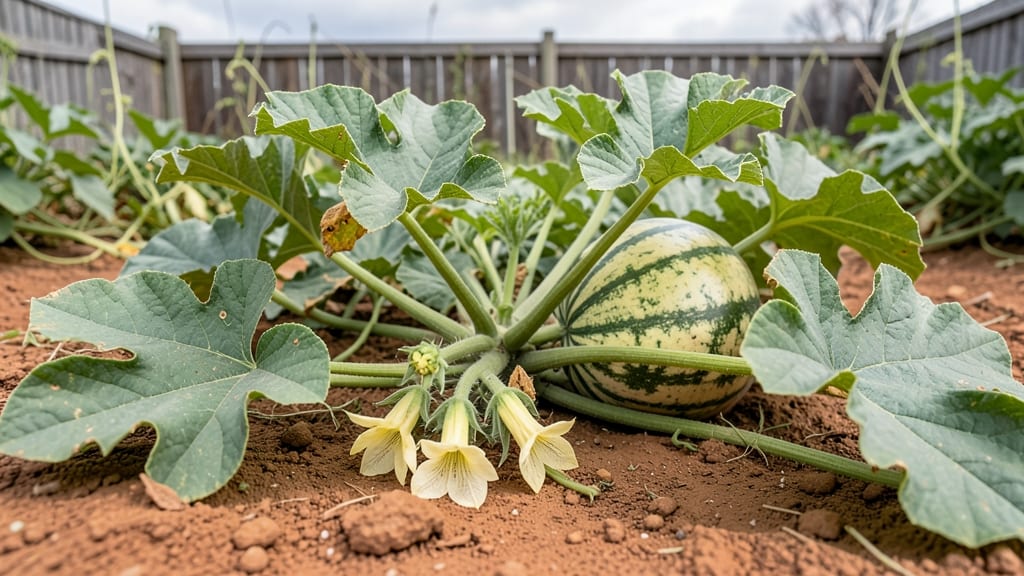
Growing a crimson watermelon plant from seed to table in just three months feels like cheating—until you've actually done it. The first time I sliced into that deep red, sweet flesh after 90 days of watching vines sprawl, I knew I'd never buy store-bought again.
That's the magic of Crimson watermelons: they're bred for speed and flavor, turning a patch of sun into a harvest faster than you'd expect.
Here's the thing—these plants aren't fussy, but they do demand a few key things to deliver that juicy payoff. Start with warm soil (at least 70°F) and give them room to stretch—those vines can grow 6 feet long, so plan for trellises or lots of space.
The secret sauce? Consistent watering and a soil mix rich in compost. My first attempt failed because I underestimating how thirsty they get during fruit development. Now I keep a soaker hose nearby and check soil moisture every other day.
By mid-summer, you'll be harvesting melons that weigh 10-15 pounds each, their rinds thick and their flesh shockingly sweet. The real reward comes when neighbors ask where you got them—because Crimson watermelons taste nothing like the bland store varieties.
They're the kind of plant that turns casual gardeners into watermelon addicts overnight. Let's get those seeds planted so you can experience it for yourself.
This works in zones 4-10, though cooler climates need a longer growing season or greenhouse setup. The key is patience—those first few weeks of slow growth can feel discouraging, but stick with it.
Once the vines take off, you'll wonder why you didn't start sooner. Here's how to make it happen without the growing pains.
📚 In This Guide
- What you need
- Instructions
- Tips and common mistakes
- Wrapping up and next steps
What you need
- ● Crimson watermelon seeds – 3–5 seeds (or 1–2 seedlings if transplanting). Look for Citrullus lanatus varieties labeled "Crimson Sweet" or similar.
- ● Large containers or garden bed – At least 10–12 inches deep and 12–18 inches wide per plant (or a 5-gallon pot if growing in containers). Crimson watermelons need space to spread!
- ● High-quality potting mix or garden soil – Well-draining, enriched with compost or aged manure (avoid fresh manure—it can burn roots!).
- ● Organic fertilizer – A balanced 10-10-10 or 5-5-5 formula (or compost tea for organic growers). Start with 1–2 tablespoons per plant at planting.
- ● Mulch (straw or black plastic) – Helps retain moisture and suppress weeds. Use 2–3 inches of mulch once vines start spreading.
- ● Drip irrigation or soaker hose – Watermelons need 1–2 inches of water per week, especially during flowering and fruiting.
- ● Garden trowel or transplanting spade – For digging holes and planting.
- ● Hand pruners or scissors – To trim excess vines or dead leaves.
- ● Garden gloves – Protects hands from thorns and rough vines.
- ○ Support trellis or cage (optional) – Crimson watermelons can sprawl 6–10 feet, so a 5–6 ft tall trellis or wire cage saves space.
- ○ pH testing kit (optional) – Ideal soil pH for watermelons is 6.0–6.8. Adjust with lime (to raise pH) or sulfur (to lower it) if needed.
- ● Sunlight – Full sun (6–8+ hours daily). Partial shade can reduce fruit quality.
- ● Warmth – Crimson watermelons thrive in 70–90°F (21–32°C) temperatures. Start seeds indoors 2–3 weeks before last frost or direct-sow after soil reaches 70°F (21°C).
- ● Warm soil – Seeds won’t germinate well in cold soil. Use black plastic mulch or a seedling heat mat if needed.
- ● Space – Plants need 3–4 feet between vines (or 1 vine per 10 sq ft in beds).
Step-by-Step instructions for growing Crimson watermelon plants
Here's how to coax bold vines and sweet, juicy fruit from your Crimson watermelon seeds in just three months.
Prepare the Planting Site After Last Frost
Watermelons thrive in warm soil, so wait until the ground reaches at least 60°F before planting. Crimson watermelons need full sun—choose a spot that gets 8+ hours of direct sunlight daily. If your area has cool nights, consider using black plastic mulch to warm the soil faster and retain moisture.
Loosen the soil to a depth of 12 inches, removing any rocks or debris. Work in 2-3 inches of compost to enrich the soil with nutrients. Crimson watermelons are vigorous growers, so they'll need plenty of space—plant each seed 6 feet apart in all directions to give the vines room to sprawl.
Sow Seeds at the Right Depth and Spacing
Plant 2-3 seeds per mound about 1 inch deep, spacing mounds 6 feet apart. Watermelon seeds germinate best in warm soil (70-90°F), so if your spring is chilly, use a seedling heat mat or wait until the soil warms naturally. Cover the seeds lightly with soil and water gently to settle the earth around them.
Once seedlings emerge—usually in 7-10 days—thin them to one strong plant per mound. Remove weaker seedlings at the base to avoid disturbing the roots of the remaining plant. If you're in a short-season area, you can also start seeds indoors 4-6 weeks before the last frost and transplant seedlings after the soil warms.
Provide Consistent Water and Support for Vines
Watermelons need deep, consistent watering—about 1-2 inches per week, especially during flowering and fruiting. Water at the base of the plant in the morning to reduce evaporation and fungal risks. Avoid wetting the leaves, as this can promote powdery mildew. Mulch around the base with 2-3 inches of straw to retain moisture and keep soil temperatures stable.
Crimson watermelons produce bold vines that can spread 10+ feet, so provide trellis support or let them sprawl in a designated area. If trellising, use heavy-duty netting or stakes to support the weight of the fruit. Prune side vines to focus energy on one main vine per plant, which improves fruit size and quality.
Fertilize and Monitor for Pests
Feed your Crimson watermelon plants with a balanced fertilizer (10-10-10) at planting, then again when vines start to run. Switch to a low-nitrogen, high-phosphorus fertilizer (5-10-10) when flowers appear to encourage fruiting. Avoid over-fertilizing, as this can lead to excessive vine growth at the expense of fruit development.
Watch for common pests like cucumber beetles, aphids, and squash bugs, which can damage leaves and fruit. Handpick beetles in the morning or use row covers early in the season to protect young plants. If you spot signs of disease like powdery mildew or wilt, remove affected leaves immediately and improve airflow around the plant.
Harvest at Peak Ripeness for Maximum Juiciness
Crimson watermelons typically mature in 75-90 days, depending on your climate. To check ripeness, look for a creamy yellow spot where the fruit rests on the ground and listen for a hollow sound when tapped with your knuckles. The tendril nearest the fruit should also turn brown and dry.
Use a sharp knife to cut the fruit from the vine, leaving 1-2 inches of stem attached. Harvest in the morning when temperatures are cooler to preserve sweetness. Store whole watermelons in a cool, dry place (50-55°F) for up to 2 weeks, or refrigerate cut fruit for 5-7 days. Enjoy the juicy, bold flavor you’ve worked so hard to grow!
Tips & tricks for growing Crimson watermelon plants
A few simple strategies can make all the difference between average vines and thriving, juicy Crimson watermelons.
Soil Temperature Matters: The 60°F minimum soil temperature is critical for germination—colder soil can delay or prevent seeds from sprouting. If your spring is chilly, use a seedling heat mat to maintain that 70-90°F range for seeds. I've seen seeds take twice as long to germinate when soil stays below 60°F, so don't rush planting just because your last frost date has passed.
Thinning Technique: When thinning seedlings in Step 2, wait until they're at least 2 inches tall before removing weaker plants. This gives roots time to establish before disturbance. I learned this the hard way—thinning too early can shock the remaining plants and stunt their growth. Use small scissors to cut seedlings at the base rather than pulling them, which helps prevent soil disturbance.
Watering Wisdom: The 1-2 inches per week guideline is perfect, but timing matters just as much. Always water in the morning so leaves have time to dry before evening. I've noticed that afternoon watering often leads to powdery mildew because wet foliage stays damp overnight. Consider using a soaker hose to deliver water directly to the soil without wetting leaves.
Harvesting Cues: That creamy yellow spot and hollow sound in Step 5 are your best indicators, but don't ignore the tendril test. A fully brown, dry tendril near the fruit means it's ready to harvest. I've found that Crimson watermelons often ripen unevenly on the vine—check several fruits daily during the last week of their 75-90 day growing window to catch them at peak sweetness.
Pro Tips for Crimson Watermelon Plant
- A few simple strategies can make all the difference between average vines and thriving, juicy Crimson watermelons.
- Soil Temperature Matters: The 60°F minimum soil temperature is critical for germination—colder soil can delay or prevent seeds from sprouting.
- Thinning Technique: When thinning seedlings in Step 2, wait until they're at least 2 inches tall before removing weaker plants.
Frequently asked questions
Got questions about growing your own crimson watermelon plant? You’re not alone! Here are answers to the most common queries—from timing to troubleshooting—to help you grow bold, juicy fruit like a pro.
How long does it take for a crimson watermelon plant to produce fruit?
A crimson watermelon plant typically matures in 70–90 days from seed to harvest, depending on your climate and growing conditions. With warm soil (70°F+) and full sun, you can expect vines to sprawl, flowers to bloom, and fruit to ripen in about 3 months. Patience pays off—these beauties are worth the wait!
Can I grow crimson watermelons in cooler climates?
Crimson watermelons thrive in warm weather (75–95°F), but you can still grow them in cooler zones! Start seeds indoors 2–3 weeks before the last frost and transplant after soil warms. Use black plastic mulch or row covers to boost heat retention. For short seasons, opt for smaller varieties like 'Crimson Sweet' or grow in containers near a sunny wall.
How often should I water a crimson watermelon plant?
Watermelons need deep, consistent watering—about 1–2 inches per week, especially during flowering and fruiting. Let soil dry slightly between waterings to prevent disease, but avoid drought stress. Drip irrigation is ideal to keep leaves dry and roots hydrated. Overwatering? Yellow leaves or mold? Cut back and improve drainage.
What pests or diseases should I watch for in crimson watermelons?
Keep an eye out for cucumber beetles (they spread disease), aphids, and powdery mildew. Use row covers early to deter pests, and rotate crops yearly to prevent soil-borne issues. For mildew, improve airflow and spray with neem oil. Healthy vines = happy fruit!
Are crimson watermelons sweeter than regular watermelons?
Crimson watermelons are sweeter and more flavorful than standard varieties, thanks to their higher sugar content and thick, juicy red flesh. Their deep crimson hue is a sign of rich, berry-like sweetness. For the best taste, let them fully ripen on the vine—yellow undersides and a hollow sound when tapped mean it’s ready!
Wrapping up and next steps
Growing a crimson watermelon plant is a rewarding journey that delivers sweet, vibrant fruit in just three months—perfect for gardeners of all levels!
With the right soil, sunlight, and care, you’ll enjoy bold vines and juicy rewards that taste like summer in every bite. Now’s your chance to turn a patch of earth into a harvest of happiness!
Ready to dive in? Start by gathering your supplies, then plant those seeds and watch your garden transform. Soon, you’ll be slicing into your own homegrown watermelons—what’s next? Share your progress with fellow gardeners or experiment with new varieties! 🌱🍉