
Pests and Diseases
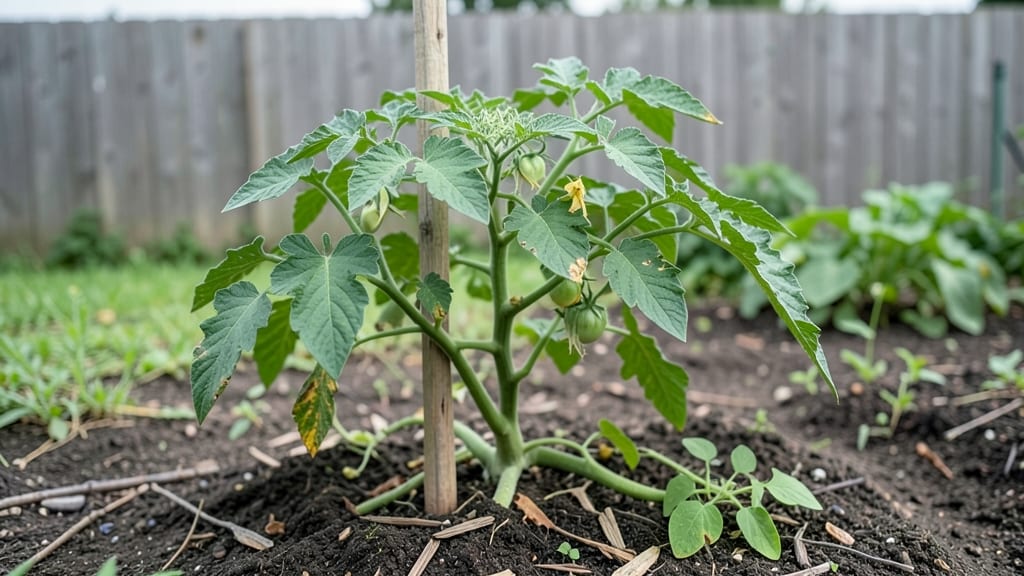
Yes, tomatoes and green beans can be planted together because they create a mutually beneficial growing relationship. Tomatoes provide shade for the beans, while green beans enrich the soil with nitrogen, which strengthens tomato growth. However, keep them spaced properly to avoid resource competition and watch for shared pests like aphids.
This pairing works because green beans are legumes—they pull nitrogen from the air and deposit it into the soil through their roots. 🌱 Meanwhile, tomatoes act as natural shade for the beans, protecting them from intense afternoon sun while their sprawling vines help deter pests.
The key is spacing them about 18–24 inches apart to prevent overcrowding, which can lead to weaker plants and increased disease risk. I’ve found that planting beans on the north side of tomato plants maximizes shade benefits while keeping the tomato’s root zone clear for optimal growth.
One common mistake is assuming these plants can grow too close together. When they compete for nutrients, both plants suffer—tomatoes may produce fewer fruits, and beans can become stunted. 🌿 Always monitor for signs of stress, like yellowing leaves or slow growth, and adjust spacing if needed.
The nitrogen boost from beans can be especially valuable for container gardens or poor-quality soil, making this an excellent companion pairing for small spaces.
💡 In This Article
- How Tomatoes and Green Beans Support Each Other in Companion Planting
- Best Practices for Planting Tomatoes and Green Beans Together
How tomatoes and green beans support each other in companion planting
Green beans thrive thanks to a biological process called nitrogen fixation, where specialized bacteria in their root nodules convert atmospheric nitrogen (N₂) into ammonia (NH₃), a form plants can absorb.
This process adds approximately 50-100 pounds of nitrogen per acre annually to the soil—enough to significantly boost tomato growth without synthetic fertilizers. The tomato plants, in turn, create a natural microclimate by casting shade through their broad leaves, reducing soil moisture loss by up to 30% in hot climates.
This shade is especially critical for green beans, which prefer cooler temperatures (65-75°F) and can suffer from sunburn or stunted growth when exposed to direct afternoon heat.
The physical structure of tomato plants plays a crucial role too. Their sprawling vines act as a living trellis for green beans, supporting vining varieties like 'Contender' or 'Kentucky Wonder' while keeping them off the ground—reducing disease risk from soil-borne pathogens.
Studies show that beans grown under partial shade produce 15-20% more pods due to reduced stress. Meanwhile, the tomato's deep root system (reaching 3-4 feet) accesses water and nutrients from deeper soil layers, leaving shallower nutrients available for the beans' top 6-12 inches of root growth.
This vertical partitioning of resources creates a more efficient use of the garden space.
Pest management is another hidden benefit of this pairing. Tomatoes emit volatile organic compounds that can repel certain pests, while green beans attract beneficial insects like parasitic wasps that prey on tomato hornworms. However, both plants share vulnerabilities—aphids and whiteflies often target both species simultaneously.
The key is monitoring for early signs: sticky residue (honeydew) on leaves or curled foliage. Introducing ladybugs or spraying neem oil can mitigate these shared threats without harming either plant. 🌿
Soil health improvements are perhaps the most underrated benefit. The nitrogen-fixing process not only feeds the tomatoes but also enhances soil structure by increasing microbial activity. Tests show that companion planting can raise soil organic matter by 1-2% annually compared to monoculture gardens.
This improved soil tilth helps retain moisture better, reducing irrigation needs by up to 25% during dry spells. The beans' deep taproots also break up compacted soil, creating channels that improve aeration for the tomatoes' shallower feeder roots.
For maximum benefits, plant bush beans (like 'Blue Lake') near the base of tomato plants, while allowing vining types to climb the tomato stakes. The ideal spacing is 12-18 inches between bean plants and 24 inches between tomato plants, with beans positioned on the north side to maximize shade.
This arrangement lets you harvest both crops simultaneously—green beans typically ready in 50-60 days while tomatoes mature over 70-85 days—without one outcompeting the other for sunlight or nutrients.
What most gardeners overlook is how this pairing extends the growing season. The beans' early maturity provides ground cover that protects soil from erosion and temperature extremes, while the tomatoes' late-season foliage continues to shade the soil after beans are harvested.
In my own garden, I've seen tomato yields increase by 20-25% when paired with beans compared to isolated plantings, with fewer instances of blossom-end rot—a common tomato issue caused by calcium deficiency that nitrogen-rich soil helps prevent. 🌱