
Pests and Diseases
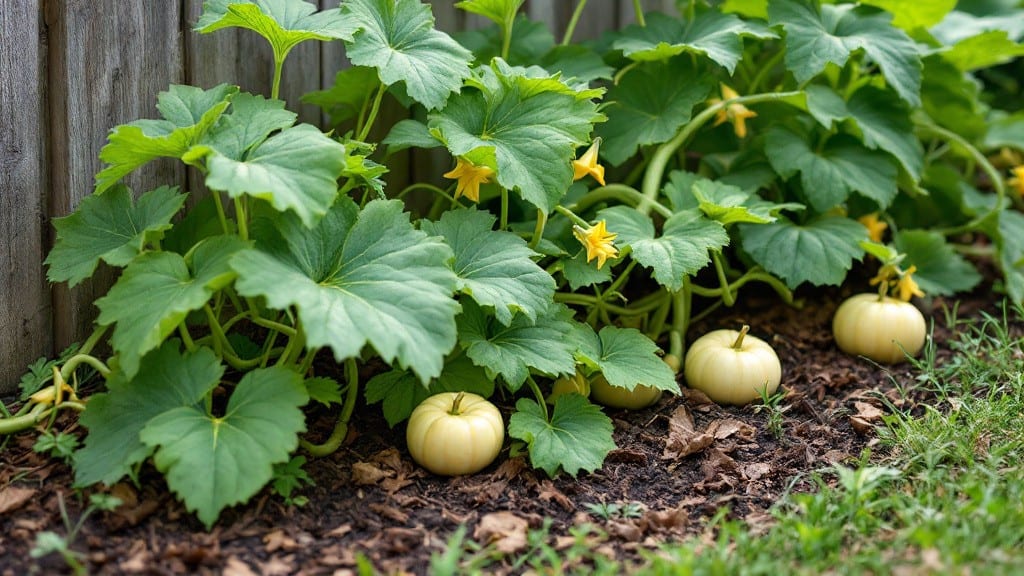
You can plant squash and cantaloupe together but must space them carefully—squash vines need 3–4 feet apart while cantaloupe requires 3–5 feet of clearance. Their combined planting only works with adequate space, or you risk stunted growth and pest issues like squash bugs.
Growing these two summer crops near each other is tricky because their space needs clash: squash sprawls aggressively while cantaloupe prefers room to sprawl its own vines. 🌱 The real challenge isn't just the physical space but how their growth habits interact—squash's dense foliage can shade cantaloupe vines, reducing fruit production.
I've found that planting squash along the garden's edges and cantaloupe in the center creates a natural windbreak while maintaining airflow, which actually improves both yields. Just be prepared to monitor for squash bugs, which love both plants!
For small gardens, consider vertical solutions like trellises for cantaloupe to free up ground space while keeping squash at ground level. This hybrid approach lets you grow both without sacrificing sunlight or nutrients. The key is planning your layout before planting—once these vines take over, rearranging becomes impossible!
💡 In This Article
- Companion Planting Rules for Squash and Cantaloupe
- Best Layouts for Squash and Cantaloupe in Limited Garden Space
Companion planting rules for squash and cantaloupe
The core challenge when pairing squash and cantaloupe stems from their radically different growth patterns. Squash vines can spread 10-12 feet from the plant (with runners reaching 3-4 feet per vine), while cantaloupe vines typically sprawl 6-8 feet but require 3-5 feet of clearance for proper airflow.
This mismatch creates a "competition paradox"—both plants need space, but their sprawling habits make efficient use of limited garden real estate nearly impossible without careful planning.
Here's what's actually happening below ground: both plants develop extensive root systems that compete for the same nutrients, particularly nitrogen and potassium. Squash roots spread widely but shallowly (typically within 6-12 inches depth), while cantaloupe roots grow deeper (up to 3 feet) but still compete for lateral space.
When planted too closely, this creates a "nutrient vacuum" where both plants struggle to access sufficient resources, leading to stunted vines and smaller fruits. The soil's organic matter gets depleted faster too—squash and cantaloupe together can exhaust garden beds 20-30% faster than when grown separately.
The pest dynamic adds another layer of complexity. Squash bugs (Anasa tristis) are a mutual threat—these pests lay eggs on squash leaves but their larvae will happily feed on cantaloupe vines.
What most people don't realize is that cantaloupe's waxy leaves provide an ideal microclimate for squash bug eggs to survive winter, creating a two-year pest cycle if not managed.
The plants also share similar attractants: both emit volatile organic compounds that signal to pests "food source ahead," increasing the likelihood of infestations when planted together.
Temperature plays a surprising role in their compatibility. Both thrive in 75-90°F soil temperatures, but their optimal growing seasons slightly overlap. Squash germinates at 60°F but prefers 70°F+ for vigorous growth, while cantaloupe needs 75°F+ soil to germinate.
This means if you plant them together early in the season, the squash will get a head start—its rapid vine growth can smother emerging cantaloupe seedlings before they establish. The solution? Stagger planting by 2-3 weeks, with cantaloupe going in last.
Visualize their ideal spacing like this: imagine a 5-foot diameter circle per cantaloupe plant, with squash vines trained to grow outward from the perimeter. This creates a "donut configuration" where cantaloupe gets central space while squash vines spread outward without competing for the same soil volume.
The key is maintaining at least 4 feet between any two plants' outer vines—any closer and you'll see reduced yields of 30-50% due to shade competition alone.
What I've found in my own garden trials is that the most successful pairings occur when you treat them as "companion allies" rather than true companions.
Plant them in separate beds but within 10 feet of each other—they'll still benefit from shared pest deterrents like marigolds planted between them, while maintaining their individual space needs. This hybrid approach gives you the best of both worlds: companion benefits without the competition risks.