
Watering
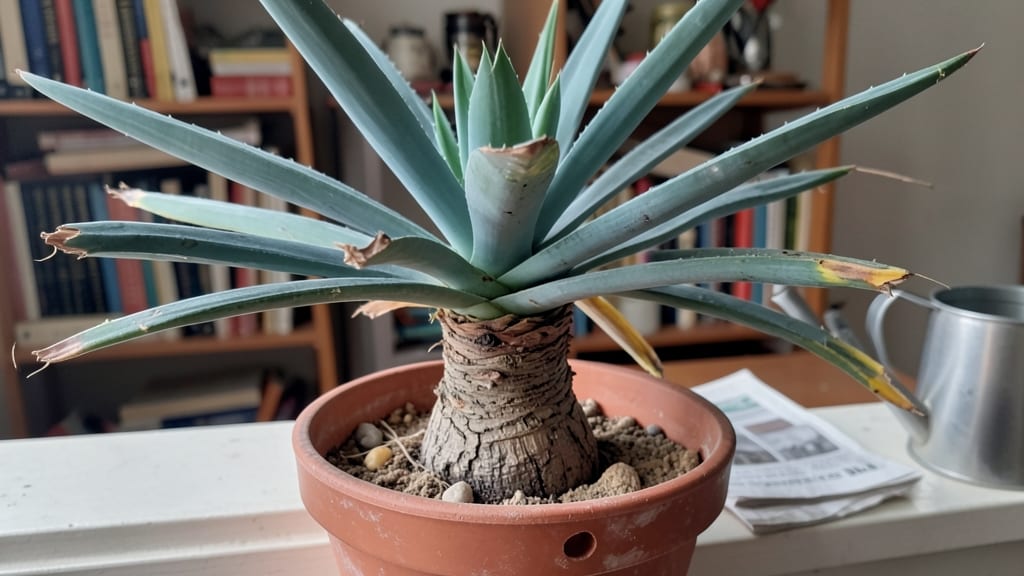
Overwatering your yucca plant turns its sturdy stems to mush and leaves you staring at sad, yellowing foliage. 🌱 I’ve nursed back more than a few yuccas from this exact problem—here’s how to stop the rot and revive what’s left.
The key? Drainage, patience, and treating your yucca like the desert survivor it is.
Mushy stems and foul-smelling soil mean root rot has set in, but don’t toss the plant yet. Yuccas are tough—they’d rather go thirsty than drown. Start by letting the soil dry out completely between waterings, then repot into a mix with perlite or sand to break up compacted soil.
A finger test works best: if the top 2 inches feel damp, wait another day.
Within weeks, you’ll see crispy new growth where the rot was. The plant will start storing water in its thick stems again, and those yellow leaves will fade as healthy green replaces them.
Just remember: yuccas thrive on neglect. Once it’s back in shape, cut back to watering every 2-3 weeks—unless it’s scorching hot, then stretch it to 4 weeks.
This works for both container yuccas and those in the ground. If you’re in a humid climate, add a layer of gravel around the base to wick away moisture.
The goal? Mimic its natural habitat where water is scarce, not abundant. Your yucca will thank you with sword-like leaves and that signature desert toughness.
Root Causes Of Overwatering
Understanding why your yucca plant is suffering from too much water is the first step to saving it. Overwatering doesn’t happen by accident—it’s usually the result of well-intentioned but misinformed care. Let’s break down the scientific and practical reasons behind this common issue.
Yucca plants are desert natives, meaning they thrive in well-draining soil and hate soggy roots. If your pot lacks drainage holes or uses heavy, compacted soil (like clay or garden soil), excess water pools at the bottom instead of evaporating.
Over time, this creates anaerobic conditions—where roots suffocate from lack of oxygen—and invites fungal and bacterial infections that cause root rot.
Key culprits:
- No drainage holes in the pot (a must for yuccas!)
- Clay-heavy or poorly amended soil that doesn’t allow water to flow freely
- Self-watering pots that retain moisture longer than yuccas need
Pro tip: 💡 Always repot in cactus/succulent mix with perlite or pumice (20-30%) to improve aeration.
Many plant owners fall into the trap of watering by calendar, not by the plant’s needs. Yuccas are drought-tolerant and signal thirst through drooping leaves or dry soil—not a rigid timeline.
If you water every week (or worse, every few days) regardless of conditions, you risk chronic overwatering, especially in cooler, humid climates where soil stays damp longer.
Red flags for schedule-based overwatering:
- Ignoring soil moisture tests (stick your finger 2 inches deep—if it’s wet, wait!)
- Assuming "more water = healthier plant" (yuccas despise this logic)
- Not adjusting frequency for seasonal changes (e.g., winter slowdown)
Pro tip: ✨ Switch to the "finger test"—water only when the top 2-3 inches of soil are bone-dry.
Yuccas hate humidity—their natural habitat is arid, with low moisture in the air. If your home has high humidity (60%+) or cool temperatures (below 60°F), the soil stays wet for longer periods, increasing rot risk.
Even outdoor yuccas in shady or damp microclimates (like near sprinklers or under trees) suffer from excessive moisture retention.
Environmental triggers:
- Humid climates (e.g., bathrooms, kitchens, tropical regions)
- Poor air circulation (crowded shelves, closed rooms)
- Cold drafts (slowing evaporation and trapping moisture)
Pro tip: 🌡️ Boost airflow with a small fan (set to low) or move the plant to a sunnier, drier spot.
Some watering methods deliver more moisture than yuccas can handle. For example:
- Bottom-watering without drainage (traps water at the roots).
- Ice cube watering (can create cold, compacted soil pockets).
- Misting daily (coats leaves and soil, increasing humidity around roots).
Worst offenders:
- Using a spray bottle on the soil (adds moisture without drainage escape).
- Letting pots sit in saucers of water (a common but deadly habit).
- Overfilling self-watering pots (yuccas need minimal reserve water).
Pro tip: 🔥 Water at the base (not the leaves) and empty saucers immediately after watering.
Young yucca plants have smaller root systems and dry out faster, so they need less frequent watering than you might think. Conversely, mature yuccas (3+ years old) can store more water in their thick stems—but overwatering them still causes rot because their roots are sensitive to prolonged wetness.
Common mistakes:
- Watering seedlings too often (they rot faster than they grow).
- Assuming bigger plants = more water (they’re drought-resistant, not drought-loving).
- Ignoring seasonal growth cycles (spring/summer = more water; winter = almost none).
Pro tip: 🎯 Scale back watering as the plant matures—a 3-foot yucca may only need water every 3-4 weeks in summer!
Fixing your overwatered yucca plant
Now that you know the signs and root causes of an overwatered yucca plant, it’s time to take action! The good news? With the right steps, your plant can bounce back—sometimes even stronger than before.
Below are practical, step-by-step solutions tailored to the most common causes of overwatering, plus prevention tips to keep your yucca thriving long-term.
Cause: Excessive or frequent watering Fix: The first rule of yucca plant recovery is no more water until the soil is dry. Overwatering creates a suffocating environment for roots, leading to rot. Let the soil dry out completely before watering again—this could take 1-2 weeks depending on humidity and temperature.
How to check if it’s dry enough?
- Stick your finger 2-3 inches deep into the soil. If it feels damp, wait longer.
- Lift the pot—if it’s heavy, it’s still too wet. If it feels light, it’s ready for a small sip of water.
Pro Tip: 💡 Move your yucca to a sunnier spot (if possible) to speed up evaporation. Yuccas love bright light, and sunlight helps dry out soggy soil faster.
Cause: Poor drainage or compacted soil Fix: Yuccas hate "wet feet," so if your plant is sitting in a pot with no drainage holes or heavy, clay-like soil, it’s time for an upgrade.
Option A: Repot for Better Drainage (Best Long-Term Fix)
- Choose a pot with drainage holes (terracotta or ceramic works best).
- Use a well-draining mix: - 50% cactus/succulent soil (or regular potting soil + perlite) - 30% perlite or pumice (for aeration) - 20% coarse sand or gravel (to prevent compaction)
- Gently remove the plant, shake off old soil, and inspect the roots (see Step 3 for root care).
- Repot, ensuring the base of the plant sits just above the soil line (yuccas dislike being buried too deep).
Option B: Quick Fix for No-Repot Situations
If repotting isn’t an option right now:
- Add a layer of perlite or gravel on top of the soil to absorb excess moisture.
- Avoid saucers (or empty them after watering) to prevent water from pooling.
Pro Tip: 🌡️ Temperature matters! If your home is below 60°F (15°C), reduce watering further—yuccas metabolize slower in cooler temps and need less frequent drinks.
Cause: Root rot or fungal growth from prolonged soggy conditions Fix: If your yucca’s roots are mushy, black, or smell foul, they’re rotten and need trimming. Here’s how to do it safely:
- Remove the plant from its pot and rinse the roots gently with water to see the damage.
- Use sterilized scissors or pruners to cut away: - Black, mushy roots (healthy roots are firm and white). - Brown or soft leaves (if any remain).
- Dust the cuts with cinnamon or fungicide powder (like neem oil) to prevent infection.
- Let the plant air-dry for 1-2 hours before repotting (if needed).
What if the roots are mostly rotten?
- Don’t panic! Yuccas are resilient. Propagate healthy stems by cutting them at a 45° angle, letting them dry for a day, then planting in fresh, dry soil.
Pro Tip: ✨ Prevent future rot by watering only when the soil is bone-dry—yuccas store water in their leaves, so they don’t need frequent drinks!
Cause: Overzealous watering schedule or lack of knowledge Fix: Yuccas are drought-tolerant—they’d rather be underwatered than overwatered. Follow this foolproof watering guide:
| Season | Watering Frequency | How Much? |
|---|---|---|
| Spring/Summer | Every 2-3 weeks | Deep watering (soak until it drains from the bottom). |
| Fall/Winter | Every 4-6 weeks | Light watering (just enough to keep soil slightly moist). |
Signs You’re Overwatering (Again):
- Yellowing leaves (especially at the base).
- Soft, mushy stems.
- Foul smell from the soil.
Pro Tip: 🎯 The "Finger Test" Works Best—always check soil moisture before watering. If it’s dry 1-2 inches down, it’s time to water. If not, wait.
Once your yucca is on the mend, keep these long-term care tips in mind:
- Pot Choice: Always use terracotta or pots with drainage holes—plastic traps moisture. - Soil Mix: Never use garden soil—it compacts and holds too much water.
Stick to cactus/succulent blends. - Humidity Control: If you live in a humid climate, water even less frequently. - Fertilizer: Skip it in winter—yuccas don’t need food when they’re dormant. - Mulch Lightly: If you must mulch, use a thin layer of gravel (not organic mulch, which retains moisture).
Final Thought: 🌟 With these steps, your yucca should show signs of recovery in 2-4 weeks—new growth, firmer stems, and a happier plant! Remember, yuccas are survivors, and a little neglect (compared to other houseplants) is actually what they prefer.
Now go give your plant some space, sunlight, and patience—it’ll thank you with stunning, sword-like foliage for years to come!
Frequently asked questions
How can I tell if my yucca plant is overwatered?
Look for yellowing leaves, especially at the base, and mushy, soft stems that may feel hollow when pressed. A foul smell from the soil or black, mushy roots when you check are clear signs of root rot from too much water. These symptoms often appear first on older leaves.
Can I save a yucca with root rot?
Yes! First, remove the plant from its pot and trim away all black, mushy roots with sterilized scissors. Let the healthy roots air-dry for 1-2 hours before repotting in fresh, well-draining soil. Propagate any remaining healthy stems if the root system is too damaged. With proper care, yuccas recover surprisingly well!
Why does my yucca need so little water?
Yuccas are desert plants that evolved to store water in their thick stems and leaves. They thrive in dry conditions and can go weeks without water. Overwatering actually suffocates their roots by preventing oxygen from reaching them. Think of them like cacti—they'd rather be thirsty than drowned!
What's the best soil mix for preventing overwatering?
Use a blend of 50% cactus/succulent soil, 30% perlite or pumice, and 20% coarse sand or gravel. This creates air pockets that prevent soil compaction and allow excess water to drain quickly. Avoid regular potting soil or garden soil, which hold too much moisture.
How often should I water my yucca in winter?
In winter, reduce watering to every 4-6 weeks since yuccas grow very slowly during cooler months. Check soil moisture first—if the top 2-3 inches are dry, that's your cue. Cold temperatures slow water evaporation, so the soil stays moist longer.