
Fertilization
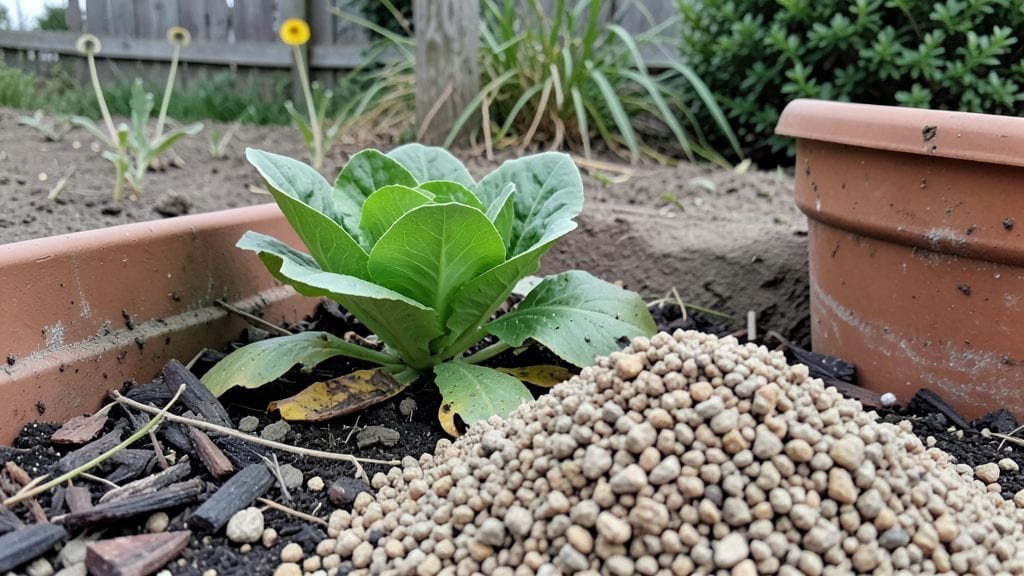
Understanding NPK plant food labels helps you optimize growth by matching nutrient ratios to your plants' needs. These numbers—nitrogen, phosphorus, and potassium—directly influence leaf production, flowering, and root strength.
NPK ratios aren't just random numbers—they're a roadmap for your plants' development stages. 🌱 Nitrogen (the first number) is the growth engine, pushing out lush green foliage, while phosphorus (second number) fuels blooms and fruiting. Potassium (third number) acts like a bodyguard, helping plants withstand stress and disease.
For example, a 10-10-10 blend is a safe all-purpose choice, but tomatoes thrive with a 5-10-10 ratio to prioritize fruiting over leaves. The key is matching the fertilizer to your plants' current needs rather than guessing.
Most gardeners make the mistake of over-relying on one type of fertilizer. Organic options like bone meal (high in phosphorus) or composted manure (balanced NPK) work differently than synthetic granules.
For instance, slow-release fertilizers feed plants steadily over months, while fast-acting ones give an immediate boost but require more frequent applications. Always check your soil's current nutrient levels first—too much nitrogen can lead to weak stems, while too little phosphorus might leave your flowers struggling to develop.
💡 In This Article
- How NPK Ratios Directly Affect Plant Growth Stages
- Choosing the Right NPK Fertilizer for Your Garden Plants
How NPK ratios directly affect plant growth stages
Nitrogen is the growth hormone of your garden, directly fueling chlorophyll production—the green pigment that drives photosynthesis. When plants get enough nitrogen, they develop broad, vibrant leaves that capture maximum sunlight.
Think of it like giving your plants a protein shake: more nitrogen means faster leaf expansion and thicker stems. 🌿 For example, lawns need high-nitrogen fertilizers (like 30-0-5) to maintain that lush green carpet, while vegetables like lettuce and spinach thrive with 20-10-10 ratios during their leafy growth phases.
Phosphorus takes over when plants need to reproduce, directing energy toward flowers, fruits, and seeds. This nutrient strengthens cell walls and speeds up energy transfer within plants—critical for developing roots, blooms, and harvestable produce. The classic deficiency sign?
Dark green leaves with purple stems or undersides, which happens when phosphorus is lacking. Tomatoes, peppers, and roses demand phosphorus-heavy blends (like 5-10-10 or 10-20-10) during their flowering stages.
What's fascinating is how phosphorus also triggers the formation of mycorrhizal fungi in roots, creating a symbiotic network that improves water and nutrient uptake.
Potassium acts as the plant's stress manager, regulating water balance and disease resistance. It helps plants withstand temperature extremes, drought, and even pest attacks by strengthening cell membranes. The difference between a wilted tomato plant and a resilient one often comes down to potassium levels.
Ornamental plants and fruit trees benefit most from potassium-rich fertilizers (like 12-6-18), while vegetables like potatoes and corn need balanced ratios (10-10-20) to prevent blossom-end rot—a calcium deficiency that's actually worsened by potassium excess.
Here's where imbalances become visible: Too much nitrogen without phosphorus leads to weak stems and poor flowering (common in over-fertilized roses), while too little potassium causes yellowing leaf edges—even when other nutrients are abundant. The science behind this is fascinating: Each nutrient triggers specific gene expressions in plants.
Nitrogen activates genes for leaf expansion, phosphorus enhances root and flower development, and potassium regulates stress-response proteins. This is why a 10-10-10 blend works for general gardening—it provides a balanced foundation, but targeted ratios become essential when you're growing specific crops.
For vegetables, the focus shifts to fruiting stages where phosphorus becomes dominant. A 5-10-10 ratio for tomatoes prioritizes fruit development over leafy growth, while ornamentals often need higher potassium (12-6-18) to maintain vibrant colors and disease resistance.
The key insight is that NPK ratios aren't static—they should change as your plants mature. What works for seedlings (higher nitrogen) won't suit flowering plants (higher phosphorus), and mature plants need potassium to store nutrients for winter.
What most gardeners don't realize is how soil pH affects NPK availability. Nitrogen is most available at pH 6.0-7.0, phosphorus at 6.0-7.5, and potassium at 5.5-7.0. Testing your soil's pH before applying fertilizer can prevent deficiencies by ensuring the nutrients are actually accessible to plant roots.
This is why organic fertilizers like bone meal (high in phosphorus) work differently than synthetic blends—they release nutrients at different rates and interact with soil microbes in complex ways.