
Plants
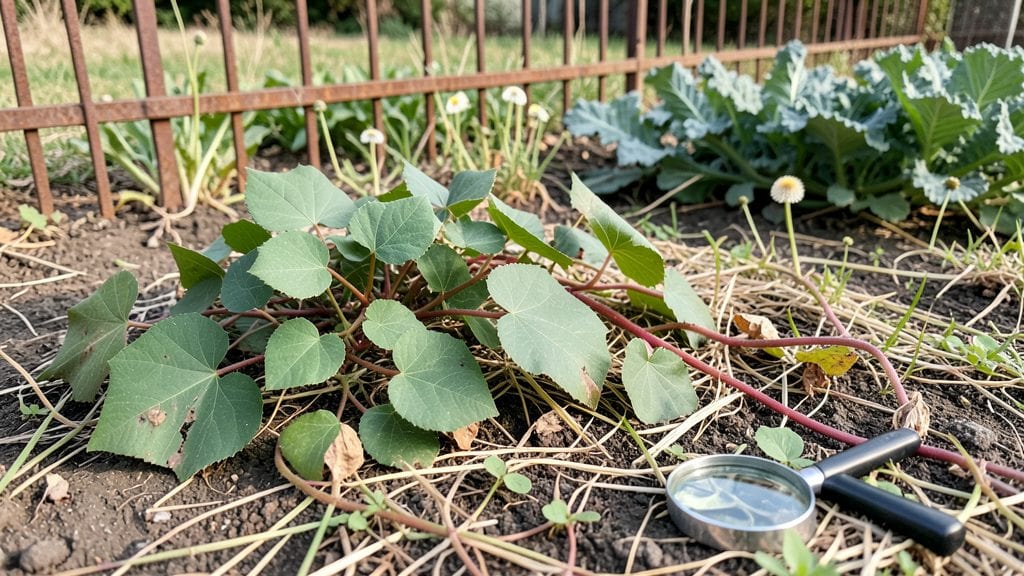
That itchy rash after gardening isn’t just bad luck—it’s often plant skin allergy from common offenders like poison ivy, stinging nettles, or even citrus leaves. 🌿 I’ve learned the hard way that ignoring it just makes it worse, but knowing the signs and quick fixes can turn a miserable afternoon into a manageable one.
The culprits hide in plain sight: poison ivy’s shiny leaves, nettles that sting on touch, or even your favorite lemon tree’s sap. Symptoms show up within hours—red bumps, blisters, or relentless itching—but the good news is prevention works.
A simple barrier cream or long sleeves can keep you safe while working in the garden, and most reactions fade in days with the right care.
When the rash hits, cold compresses and over-the-counter antihistamines are your first line of defense. For stubborn cases, I’ve found that calamine lotion or even a baking soda paste (yes, really) soothes the irritation fast. The key is acting before scratching turns a small patch into a full-blown battle.
This works for gardeners, landscapers, or anyone who’s ever brushed against the wrong plant. Here’s how to spot trouble, stop it before it starts, and get relief when it does—without missing a beat in your gardening season.
What Triggers Plant Skin Reactions
When your skin reacts to plants, it’s usually because your immune system is overreacting to certain natural compounds. These reactions can range from mild irritation to severe rashes, depending on the plant and your sensitivity. Let’s break down the most common causes—so you can recognize them and avoid them better.
Many plants produce chemicals as a defense mechanism against pests, fungi, or even animals. Unfortunately, these same compounds can trigger allergic reactions in humans. Here are the top culprits:
- Sap and Resins: Plants like poison ivy, poison oak, and poison sumac contain urushiol oil, a sticky resin that binds to your skin and causes an allergic reaction. Even tiny amounts can lead to blisters and itching.
- Latex Proteins: Some plants, like figs, rubber trees, and certain flowers, contain proteins similar to natural rubber latex. If you’re allergic to latex, these plants can trigger cross-reactions.
- Essential Oils: Plants like citrus (lemons, oranges), eucalyptus, and mint release volatile oils that can irritate skin, especially if you have sensitive skin or eczema.
- Alkaloids: Found in plants like Dieffenbachia (dumb cane) and Philodendron, alkaloids can cause burning, swelling, and even temporary numbness upon contact.
💡 Pro Tip: If you’re unsure whether a plant is harmful, avoid touching it—especially if it has milky sap, thorns, or a strong scent.
Not all plant reactions are true allergies—some are irritant contact dermatitis (direct skin irritation) or allergic contact dermatitis (immune-mediated). Here’s how it works:
- First Exposure: Your skin absorbs plant compounds without issue, and your immune system may not react.
- Sensitization: Over time, your immune system recognizes these compounds as "foreign invaders" and produces antibodies.
- Second Exposure: When you encounter the plant again, your immune system overreacts, releasing histamine and other inflammatory chemicals, leading to redness, swelling, and itching.
This is why some people develop reactions only after repeated exposure—like gardeners who suddenly break out after years of handling plants.
Even if a plant isn’t inherently harmful, certain conditions can make reactions worse:
| Factor | How It Helps Reactions Spread |
|---|---|
| ✅ Sweat | Sweat opens pores, allowing plant oils to penetrate deeper into the skin, increasing irritation. |
| ✅ Heat & Humidity | Warmer weather speeds up the release of plant irritants (like urushiol) and makes skin more prone to rashes. |
| ✅ Scratching | Breaks the skin barrier, letting allergens enter more easily and worsening inflammation. |
| ✅ Sun Exposure | UV rays can weaken skin and make it more sensitive to plant allergens (a condition called phytophotodermatitis). |
⚠️ Warning: If you’ve been exposed to a plant and then spent time in the sun, your reaction may appear only in sun-exposed areas.
Some reactions happen not from direct contact but from indirect exposure:
- Houseplants: Dust or sap from indoor plants (like aloe or snake plants) can linger on surfaces and trigger reactions when touched.
- Essential Oils: Diffusing oils like tea tree or peppermint can cause respiratory or skin irritation in sensitive individuals.
- Wood & Paper Products: Some woods (like cedar or teak) and even printed papers contain plant-based dyes or finishes that may irritate skin.
- Pet Fur: If your pet brings in pollen or plant residue from outdoors, it can settle on their fur and transfer to your skin.
🔍 Action Step: If you suspect a hidden allergen, wash your hands after handling plants and avoid touching your face until you’ve cleaned up.
Quick Fixes for Plant-Related Skin Reactions
If you’ve spotted redness, itching, or bumps after touching plants, don’t panic—these reactions are usually temporary and manageable. The key is to act fast and address the root cause.
Below, we’ve mapped out practical solutions for the most common triggers, from household plants to outdoor greenery, plus prevention tips to keep your skin happy long-term.
Cause: Urushiol oil (found in toxic plants) binds to your skin and triggers an allergic reaction. Fix:
- 🚿 Rinse Immediately – Wash the affected area with cold water and soap (like Dawn or Tecnu) within 10–30 minutes to remove the oil. Pro tip: Use a loofah or washcloth—scrubbing helps lift stubborn residue.
- 🧴 Cool Compress – Apply a wet, cold cloth for 10–15 minutes to reduce swelling and itching.
- 💊 Over-the-Counter Relief – Use hydrocortisone cream (1%) or calamine lotion to soothe irritation. For severe itching, try an antihistamine like Benadryl (check with a doctor first).
- 🚫 Avoid Scratching – Scratching spreads urushiol and increases infection risk. Trim nails short and wear cotton gloves at night if needed.
Prevention: ✔ Wear long sleeves and pants when gardening or hiking. ✔ Learn the "Leaves of Three, Let It Be" rule—avoid touching plants with clustered leaflets. ✔ Keep petroleum jelly (like Vaseline) on your skin as a barrier before outdoor exposure.
Cause: Dust mites, plant sap (e.g., from aloe or cacti), or fragrance oils can irritate sensitive skin. Fix:
- 🧼 Gentle Cleansing – Wash hands and skin with fragrance-free soap (like Cetaphil) and lukewarm water.
- 🌬️ Air Purification – Dust plants weekly with a damp microfiber cloth to trap allergens. Place a HEPA air purifier near your workspace.
- 🛡️ Barrier Creams – Apply zinc oxide or dimethicone-based creams (like Desitin) before handling plants to block irritants.
- 🌿 Rotate Plants – If you suspect a specific plant (e.g., snake plant, rubber plant), remove it temporarily to see if symptoms improve.
Prevention: ✔ Opt for low-allergen plants like spider plants, Boston ferns, or peace lilies. ✔ Wear nitrile gloves when repotting or pruning. ✔ Keep humidity low (below 50%) to discourage dust mites.
Cause: Touching certain plants (e.g., poison ivy) can trigger reactions if you’re also allergic to similar foods (like mangoes, cashews, or potatoes). Fix:
- 🍎 Avoid High-Risk Foods – If you react to plants, test foods like tomatoes, peppers, or melons cautiously. Cooking may reduce some reactions.
- 💊 Oral Antihistamines – Take loratadine (Claritin) or cetirizine (Zyrtec) 30 minutes before eating to minimize symptoms.
- 🚑 Seek Allergy Testing – If reactions are severe, visit an allergist for skin prick or blood tests to identify food-plant cross-reactivities.
Prevention: ✔ Wash hands thoroughly before eating. ✔ Peel fruits/veggies when possible (e.g., mangoes, potatoes). ✔ Carry an epinephrine auto-injector if you have severe allergies.
If you experience:
- Swelling beyond the touch site (e.g., face, throat)
- Blistering or oozing
- Fever or chills (signs of infection)
- Trouble breathing
🚨 Act Fast: Visit a doctor or urgent care for prescription steroids (e.g., prednisone) or immunotherapy if reactions are frequent.
While not a substitute for medical care, these can complement your treatment:
- 🌿 Aloe Vera Gel – Soothes minor irritation (use pure gel, not store-bought products with additives).
- 🍯 Honey or Oatmeal Paste – Apply a mix of raw honey + oatmeal to calm itchy skin.
- 🍃 Chamomile Tea Compress – Brew tea, cool, and apply to redness for anti-inflammatory relief.
Remember: Most plant skin reactions fade within 1–2 weeks with proper care. Stay vigilant, keep your skin clean, and listen to your body—it’s your best early-warning system! 🌱💚
Frequently asked questions
What are the most common plants that cause skin allergies?
Poison ivy, poison oak, and stinging nettles are the top offenders, but even citrus leaves, aloe vera, and houseplants like Dieffenbachia can trigger reactions. The key is recognizing plants with milky sap, thorns, or strong scents—these often contain irritating compounds.
How long does it take for plant allergy symptoms to appear?
Most reactions show up within 12–48 hours, though some people develop rashes immediately. Urushiol oil (from poison ivy) can even cause delayed reactions up to 1–2 weeks after exposure. The longer you wait to wash off the plant oils, the worse the reaction may be.
Can I wash off plant allergens after they’ve dried on my skin?
Yes, but it’s less effective. Urushiol oil binds to skin even when dry, so wash with cold water and soap immediately. If you’ve already washed after exposure, re-wash with Tecnu or dish soap—these break down the oils better than regular soap.
Are there natural remedies that actually work for plant rashes?
Cold compresses, aloe vera gel, and oatmeal pastes can soothe mild irritation, but they won’t stop the allergic reaction itself. For relief, combine these with hydrocortisone cream (1%) or antihistamines. Severe cases need medical attention.
Why do some people react to plants but others don’t?
It’s all about your immune system. Only about 15–30% of people react to urushiol (poison ivy’s oil), but repeated exposure increases sensitivity. Genetics, skin barrier health, and even how much sweat you produce can also play a role. If you’ve never reacted before, you might not be sensitized yet.