
Companion Plants
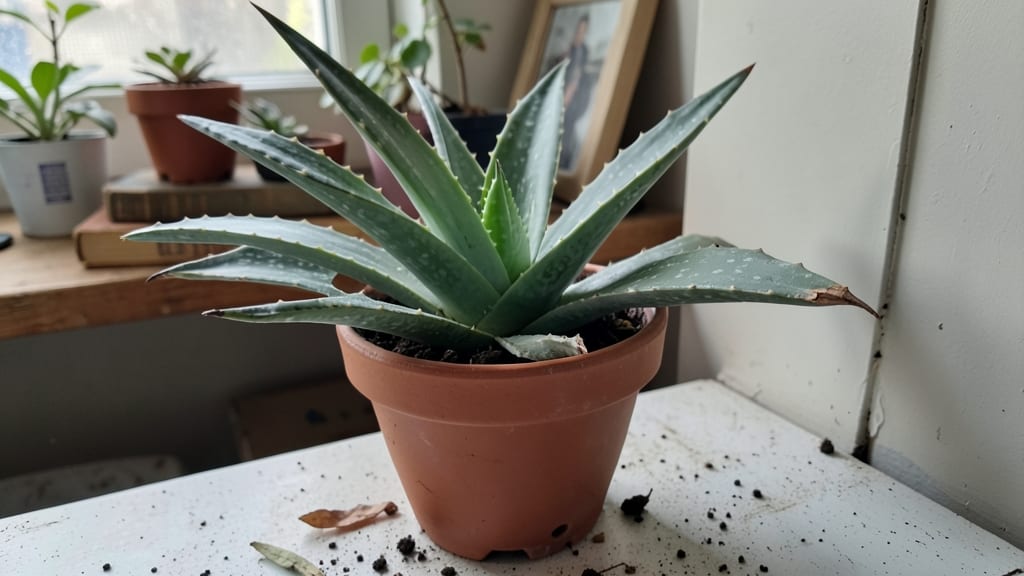
When wind burn plants start showing those crispy brown edges, it’s time for fast action—before the damage spreads. 🌿 I’ve seen entire garden beds turn into sad, brittle messes from relentless wind, but the right companions can shield them in weeks, not months.
The key isn’t just planting anything nearby—it’s choosing plants that grow quickly, soak up wind, and won’t compete for water.
Fast-growing shrubs like Russian olive or willow trees act like natural windbreaks, while drought-tolerant ground covers like creeping thyme or sedum soften gusts at the soil level. These aren’t just pretty additions—they create microclimates where your vulnerable plants finally get a break.
Even a single row of boxwoods or arborvitae can cut wind speeds by half, giving your roses or hostas a fighting chance.
Within just a few weeks, you’ll notice the difference: fewer scorch marks, stronger stems, and leaves that stay plump instead of brittle. The best part? These companions thrive in the same conditions as your wind-battered plants—so you’re not adding extra work, just smarter neighbors.
Let’s pick the right team for your garden.
Works for everything from delicate perennials to young fruit trees, and adapts to any yard size—even small spaces benefit from strategic placement. The fix isn’t complicated, but timing matters. Here’s how to get it right the first time.
📚 In This Guide
- What you need
- Instructions
- Tips and common mistakes
- Wrapping up and next steps
What you need
- ● Fast-growing, drought-tolerant companion plants (3–5 per windward area): Yarrow (Achillea millefolium) – 1–2 plants
- ● Russian sage (Perovskia atriplicifolia) – 1–2 plants
- ● Lavender (Lavandula spp.) – 1–3 plants
- ● Ornamental grasses (e.g., Pennisetum or Miscanthus) – 2–4 plants
- ● Shrubs like Cotoneaster or Spirea – 1–2 per vulnerable spot
- ● Well-draining soil mix: 50% native soil
- ● 30% compost (for nutrients)
- ● 20% perlite or coarse sand (for aeration)
- ● Organic mulch (2–3 inches): Wood chips, straw, or shredded bark
- ● Watering can or hose with adjustable nozzle
- ● Gloves and knee pads (for comfort)
- ● Hand trowel (for transplanting)
- ● Pruners or shears (to shape plants post-planting)
- ● Windbreak netting or burlap (temporary shield for seedlings)
- ● Drip irrigation system (for consistent moisture)
- ● Slow-release fertilizer (e.g., 10-10-10 or compost tea)
- ● Plant supports (stakes or cages) for tall grasses/shrubs
How to protect plants from wind burn using sheltering companions
Here's how I quickly create windbreaks that work in weeks instead of years.
🌿 Step 1: Choose Fast-Growing Windbreak Plants
Select plants that grow quickly and tolerate drought—these will shield your garden fastest. I always reach for willow trees (they shoot up 3-4 feet in a season) or Russian olive shrubs (hardy and dense). For smaller spaces, bamboo or privet hedges work wonders. Place these on the windward side of vulnerable plants like roses, hostas, or tender perennials.
Look for plants labeled fast-growing or wind-resistant at your local nursery. Avoid anything labeled "slow-growing"—you need protection now. I plant mine in a slightly curved line to diffuse wind rather than create a solid wall, which prevents turbulence that can damage plants behind it.
🪴 Step 2: Plant Windbreak Plants in a Strategic Line
Dig holes twice as wide as the root balls but only as deep as the containers they came in. Space plants 3-5 feet apart, depending on their mature width. For example, willow trees need more space (5 feet) while bamboo clumps can sit closer (3 feet). Fill the holes with the 10 gallons of potting mix you’ve mixed with 1 pound of compost—this gives them a nutrient boost to grow faster.
Water deeply right after planting to settle the soil around roots. Don’t skip this—dry soil means poor root establishment, and you need these plants to take hold quickly. Mulch the base with 2 inches of wood chips to retain moisture and keep roots cool. This is where speed matters: water every 2-3 days until new growth appears.
☀️ Step 3: Add Temporary Windbreaks for Immediate Protection
While your permanent plants grow, set up burlap screens or plastic lattice panels on stakes. These work instantly to block harsh winds. I use 6-foot-tall panels on the windward side, securing them with sturdy garden stakes (2 per panel). For smaller areas, plant stakes with twine-wrapped branches create a quick, natural barrier—just tie them loosely to allow airflow while breaking wind force.
Check these temporary barriers after strong wind events—adjust or reinforce as needed. They won’t last forever, but they buy time until your fast-growing companions mature. Replace any damaged sections immediately; even small gaps let wind through and defeat the purpose.
💧 Step 4: Maintain Moisture and Monitor Growth
Keep the soil around your windbreak plants evenly moist but not soggy. Water deeply once a week (more in extreme heat) to encourage strong root growth. You’ll see new leaves or shoots within 3-4 weeks—that’s your signal they’re establishing well. If growth slows, add ½ cup of balanced fertilizer to the soil around the base to give them a boost.
Watch for signs of stress: yellowing leaves mean overwatering, while wilting in heat signals underwatering. Adjust your watering schedule based on what you see. Once your windbreak plants reach at least 3 feet tall, they’ll start providing real protection to your garden. This usually happens within 8-12 weeks, depending on the species.
✂️ Step 5: Prune and Shape for Better Wind Diffusion
Once your windbreak plants are established, prune them lightly to encourage bushier growth. Trim back any overly leggy branches to about ⅓ of their length—this makes the barrier denser and more effective. I do this in early spring before new growth starts. Avoid heavy pruning; you want foliage to fill in quickly for maximum wind protection.
Shape the plants so they taper slightly at the top—this helps wind flow over them instead of creating dangerous turbulence. For example, willow trees should have a natural, wavy shape rather than a flat top. This small adjustment makes a big difference in how well they shield your garden. Check your windbreak seasonally and adjust as needed to maintain its effectiveness.
Tips & tricks for perfect wind burn protection
Creating an effective windbreak doesn't have to be complicated—these quick tips will help you get the most out of your fast-growing companions.
Plant Selection Wisdom: When choosing your windbreak plants, prioritize those that grow at least 3-4 feet per season—this matches the timeline in Step 1 perfectly. I've found that willow trees and Russian olive shrubs provide the fastest protection, but don't overlook native species that might thrive better in your climate. Check the mature height of each plant too—taller varieties like willows will offer better protection for larger garden areas, while smaller options like privet hedges work well for delicate plants.
Planting Technique Matters: The twice-as-wide holes in Step 2 aren't just about root space—they also help prevent soil compaction around the roots. When planting, gently tease out any circling roots from container-grown plants to encourage outward growth. This small step makes a huge difference in how quickly your windbreak establishes. Also, remember that the 3-5 foot spacing creates that natural diffusion pattern mentioned in Step 1—don't crowd them or you'll create turbulence instead of protection.
Temporary Barrier Hack: For the 6-foot-tall panels in Step 3, I've found that using burlap screens instead of plastic lattice gives a more natural look while still providing excellent wind protection. If you're working with a tight budget, collect fallen branches from your yard, bundle them tightly, and secure them to stakes—they'll work just as well for immediate protection. Just remember to check these temporary barriers after strong winds and reinforce any damaged sections immediately.
Growth Monitoring Shortcut: Those 3-4 weeks for new growth in Step 4 are your first sign of success. To make monitoring easier, I place small garden flags near each plant when I first install them. This helps me track which plants are thriving and which might need extra care. Also, pay special attention to the 3-foot height mark—once your windbreak reaches this height, it's ready to start providing real protection to your vulnerable plants.
Pro Tips for Wind Burn Plants
- Creating an effective windbreak doesn't have to be complicated—these quick tips will help you get the most out of your fast-growing companions.
- Plant Selection Wisdom: When choosing your windbreak plants, prioritize those that grow at least 3-4 feet per season—this matches the timeline in Step 1 perfectly.
- Planting Technique Matters: The twice-as-wide holes in Step 2 aren't just about root space—they also help prevent soil compaction around the roots.
Frequently asked questions
Got questions about wind burn in plants and how to protect them?
You’re not alone! Here are some of the most common concerns—and straightforward answers—to help you keep your garden thriving.
What are the signs of wind burn in plants?
Wind burn often looks like dried, crispy edges on leaves (especially younger ones) or scorched patches on stems. Affected areas may turn brown or yellow, and leaves might curl or drop prematurely. Think of it like a sunburn for your plants—just less fun!
How quickly can companion plants provide wind protection?
Fast-growing options like sunflowers, tall grasses, or shrubs (e.g., Russian olive or willow) can offer noticeable shelter in 4–8 weeks. Slower growers (like hedges) take longer but provide long-term defense. Plant strategically near vulnerable areas for the fastest results!
Are there non-living alternatives to plant companions for wind protection?
Use windbreaks like fences, trellises, or even dense netting to block harsh winds. For a low-maintenance fix, try burlap screens or straw bales placed strategically. These work well for temporary or small-scale protection.
Will overwatering help prevent wind burn?
Not directly—but consistent moisture keeps plants resilient. Wind burn weakens plants by drying them out, so water deeply (especially in root zones) during dry spells. Avoid soggy soil, though—focus on steady hydration, not drowning!
Can I fix wind-damaged plants, or should I replace them?
Mild damage? Prune affected leaves and monitor for recovery. Severe cases (like dead branches or wilted growth) may need removal. For perennials, give them time—they often bounce back! If annuals are toast, replace them with wind-tolerant species next season.
Wrapping up and next steps
Wind burn can be a real challenge for your garden, but with the right wind burn plants as companions, you can create a thriving, resilient space! 🌿 From fast-growing shrubs to hardy perennials, these plants not only protect your vulnerable greens but also add beauty and diversity to your landscape.
The key is to act now—plant, mulch, and monitor to give your garden the best chance to flourish.
Ready to take the next step? Start small—pick one or two of these tough companions and observe how they transform your garden’s resilience. Before you know it, you’ll have a lush, wind-resistant oasis that’s the envy of the neighborhood! 🌱