
Pests
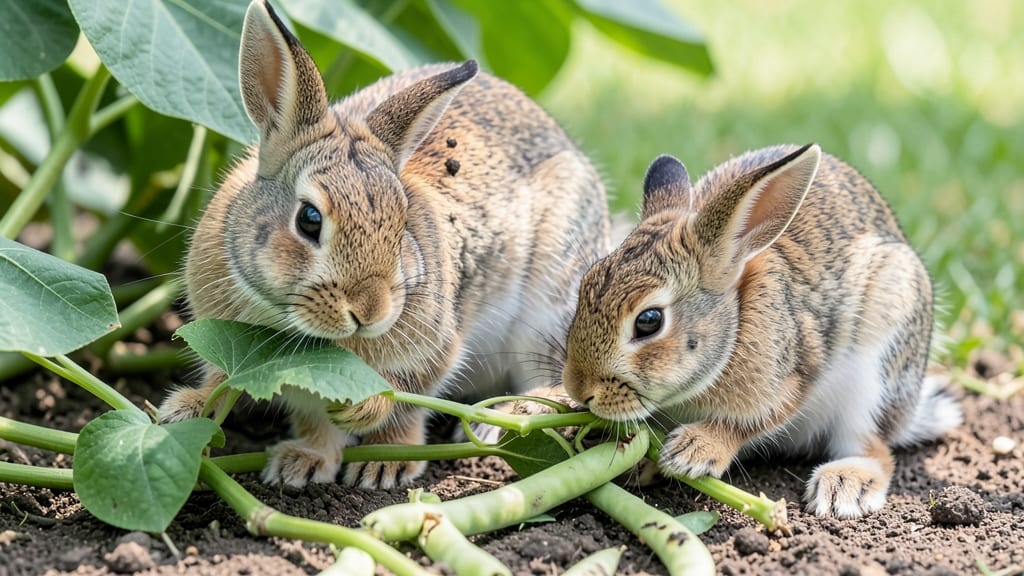
Rabbits do eat bean plants like green beans, kidney beans, and runner beans, but certain varieties—such as fava beans—can trigger stomach issues. Always test small portions first and watch for signs of discomfort like soft stools or lethargy.
Bean plants are a natural draw for rabbits because they're packed with protein and fiber, which are essential for their diet. 🌱 However, not all beans are safe—some, like fava beans, contain compounds that can upset a rabbit's digestive system.
The key is moderation and observation: introduce new plants slowly and keep an eye out for any unusual behavior. Rabbits with sensitive stomachs might also struggle with raw beans, so cooking them lightly can sometimes help.
If you're growing beans in your garden, consider varieties that are less appealing to rabbits, like pole beans with thorny supports. Planting strong-smelling companions like marigolds or garlic nearby can also deter them naturally. For extra protection, use lightweight netting or create a temporary barrier around your bean patch.
💡 In This Article
- Understanding Rabbit Diet and Bean Plant Toxicity
- Rabbit-Proofing Your Garden: Bean Plant Alternatives
Understanding rabbit diet and bean plant toxicity
Rabbits are drawn to bean plants primarily because they offer a concentrated source of protein (18-25% dry weight) and soluble fiber (15-20%), both critical for their digestive health. The high fiber content aids gut motility, while the protein supports muscle maintenance—especially important for growing young rabbits.
Green beans, for example, contain about 2.2 grams of protein per 100 grams, making them an appealing snack compared to grasses which typically provide only 5-10% protein. 🌱 This nutritional balance explains why rabbits will actively seek out bean plants in gardens.
The toxicity risks vary dramatically between bean types due to their chemical composition. Lima beans contain cyanogenic glycosides when raw, which break down into toxic cyanide compounds during digestion—though cooking neutralizes this risk.
Meanwhile, fava beans contain vicine and convicine, compounds that can trigger hemolytic anemia in sensitive rabbits, particularly those with glucose-6-phosphate dehydrogenase (G6PD) deficiency.
Even "safe" beans like kidney beans can cause digestive upset if introduced too quickly, as their oligosaccharides (complex sugars) ferment in a rabbit's gut, producing gas and diarrhea.
Here's what happens when rabbits eat beans improperly: their hindgut microbiome, which relies on a delicate balance of bacteria, becomes overwhelmed by the sudden fiber load. This triggers gut stasis—a dangerous condition where digestion slows or stops—marked by cessation of fecal pellets within 12-24 hours.
The high moisture content in beans (about 80-90%) also dilutes digestive enzymes, further disrupting nutrient absorption. In severe cases, rabbits may exhibit lethargy, loss of appetite, or bloating, requiring immediate veterinary attention.
Not all beans are created equal in terms of safety. Snap peas, while technically legumes, are far less risky due to their lower fiber content (5-7%) and absence of toxic compounds. Runner beans are generally safe when fed in moderation (1-2 tablespoons per 5 lbs of body weight), as their fiber is more digestible.
The key is preparation: always wash thoroughly to remove pesticide residues and lightly steam beans to break down antinutrients before offering them to rabbits. This mimics how wild rabbits would gradually introduce new foods into their diet.
What most people overlook is the seasonal availability of beans in a rabbit's natural diet. Wild rabbits primarily encounter beans during late summer and fall when they're most abundant—never as a staple.
This explains why garden-raised rabbits, suddenly exposed to a year-round buffet of bean plants, are more prone to digestive issues. The solution? Treat beans as an occasional treat (no more than 10% of their diet) and always pair them with hay to ensure proper fiber balance. 🐇
For gardeners, the challenge lies in distinguishing between rabbit-safe and risky bean varieties. A quick reference: green beans, kidney beans, and snap peas are generally safe in small amounts, while fava beans, broad beans, and raw lima beans should be avoided entirely.
The safest approach is to observe your rabbit's reaction for 24-48 hours after introducing any new bean type—any changes in stool consistency or energy levels are red flags that warrant removal from their diet.