Shrubs
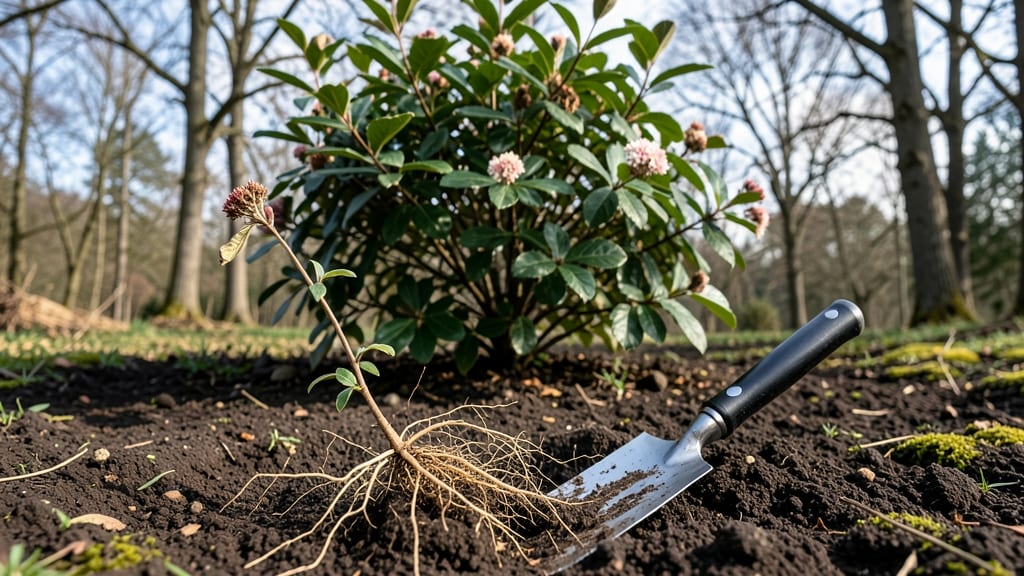
The correct viburnum planting distance—3 to 6 feet apart—is the golden rule for letting these shrubs flourish for decades. 🌿
Get this wrong, and you’ll end up with stunted growth, crowded branches, or worse—disease from poor airflow. I’ve seen gardeners cram them too close, only to watch their viburnums fight for sunlight and nutrients, leaving them weak and prone to pests.
But here’s the good news: spacing isn’t just about guesswork. It depends on the viburnum type—whether it’s a compact Viburnum plicatum or a sprawling Viburnum dentatum—and your garden’s conditions. Below, I’ll break down the exact distances for each, plus how to adjust for sun, soil, and even small yards.
You’ll learn how to space them for maximum beauty, avoid common mistakes, and even squeeze them into tight spaces without sacrificing health. Ready to plant with confidence?
Optimal Viburnum planting distance by species and variety
Viburnums are stunning shrubs that thrive when planted with the right spacing—too close, and you risk stunted growth or disease; too far, and your garden looks sparse. Each variety has unique mature size and root spread requirements, so let’s break down the science-backed distances for popular types.
Whether you’re planting Viburnum dentatum for its berries or Viburnum plicatum for its layered branches, spacing ensures healthy airflow and sunlight penetration.
Start by checking your viburnum’s label or nursery notes—most provide mature height and width estimates. For example, Viburnum opulus (cranberrybush) typically reaches 6–10 feet tall with a 5–8-foot spread, while dwarf varieties like Viburnum bodnantense stay compact at 3–5 feet.
Ignoring these guidelines can lead to overcrowding, which increases humidity and invites fungal issues like powdery mildew.
Here’s a critical rule: Always space viburnums at least 2–3 feet wider than their mature width. This accounts for root competition and future growth. For instance, a Viburnum plicatum (snowball bush) with a 10-foot spread needs 12–15 feet between plants.
Skimping on space might seem tempting in small gardens, but it’ll cost you in pruning and plant health down the line.
Now, let’s dive into the specifics. Below is a summary table of the most common viburnum varieties, including their mature size, optimal spacing, and root spread. Use this as your go-to reference before digging that first hole!
| Variety | Mature Height (ft) | Mature Width (ft) | Optimal Spacing (ft) | Root Spread (ft) | Notes |
|---|---|---|---|---|---|
| Viburnum dentatum (Arrowwood) | 6–10 | 5–8 | 8–12 | 4–6 | Great for hedges; prune annually. |
| Viburnum opulus (Cranberrybush) | 6–10 | 5–8 | 8–12 | 4–6 | Bright red berries; deer-resistant. |
| Viburnum plicatum (Japanese Snowball) | 10–15 | 10–15 | 12–18 | 6–8 | Stunning horizontal layers; needs space. |
| Viburnum bodnantense (Winter Sunshine) | 3–5 | 3–5 | 5–7 | 2–3 | Dwarf variety; great for small gardens. |
| Viburnum trilobum (American Cranberrybush) | 8–12 | 8–12 | 10–14 | 5–7 | Native; attracts birds; drought-tolerant. |
| Viburnum rhytidophyllum (Leatherleaf) | 10–15 |
How to adjust Viburnum spacing for sunlight, soil, and garden layoutViburnum shrubs thrive when given the right balance of space, sunlight, and soil conditions. Incorrect spacing can lead to crowded growth, poor airflow, and increased disease risk. Whether you're planting in full sun or partial shade, adjusting spacing ensures your viburnum reaches its full potential. Let’s break down how to tailor spacing for your specific garden setup. Soil type plays a crucial role in determining spacing needs. Clay-heavy soil requires wider spacing to prevent root competition, while well-draining soil allows for closer planting. Additionally, your garden’s layout—whether it’s a hedge row, privacy screen, or small garden—will dictate how you arrange your viburnums for both aesthetics and functionality. Sunlight exposure also impacts spacing decisions. Viburnums in full sun need more room to avoid overheating and leaf scorch, while those in partial shade can be planted slightly closer. Below, I’ve outlined practical adjustments for different conditions to help you visualize the best layout for your garden. For small gardens, consider using dwarf viburnum varieties like Viburnum burkwoodii, which mature at just 3–5 feet tall. Planting them 2–3 feet apart creates a lush, compact border without sacrificing airflow. If you’re aiming for a privacy screen, stagger plants in a staggered pattern to fill gaps as they grow. In clay soil, wider spacing is non-negotiable. Roots compete for nutrients, and overcrowding can lead to root rot. Amend the soil with compost to improve drainage, but still maintain 8–10 feet between plants. For well-draining soil, you can get creative with closer spacing, especially if you’re mixing viburnums with perennials like hostas or ferns. When planning a hedge row, aim for 3–4 feet between plants to encourage dense growth. Prune annually in late winter to maintain shape and prevent overcrowding. For full sun locations, space plants 6–8 feet apart to avoid leaf burn and ensure each shrub gets adequate airflow. Pro tip: Use a string line and stakes to mark spacing before planting. This ensures a uniform look and prevents accidental overcrowding as your viburnums mature. With the right adjustments, your viburnum garden will thrive for years to come! 🌿 |