
Pruning
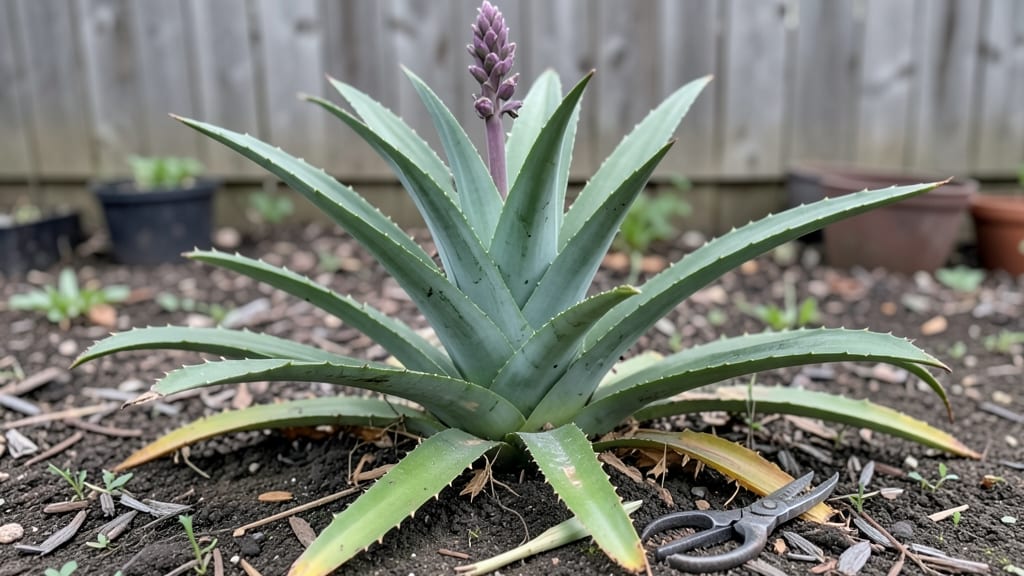
Trimming your pineapple plant isn't just about keeping it tidy—it’s how you unlock year-round fruit production from that single plant you’ve been nursing along. I’ve watched mine go from a scraggly specimen to a fruit-bearing powerhouse just by making three strategic cuts each year, and the best part?
You don’t need a green thumb to pull it off. The secret lies in understanding which leaves to remove, when to do it, and how to turn those cuttings into new plants. Most people overlook this step, but it’s what separates a one-time harvest from a garden that keeps giving.
The tools you’ll need are simpler than you’d think: sharp pruning shears, rubbing alcohol for sterilizing, and a small pot for rooting cuttings. My first attempt involved a butter knife and wishful thinking—don’t make that mistake. Clean cuts heal faster, and that means healthier regrowth.
You’ll also want a well-draining potting mix and patience, because pineapple plants reward consistency over speed. Think of it like giving your plant a haircut that actually works for its growth cycle, not just what looks good in a photo.
What you’ll end up with is a compact, bushy plant that produces multiple fruit stalks instead of just one. The first harvest might take a year, but after that, you’ll have a self-sustaining system where every trim becomes a potential new plant.
The smell of those sweet, tropical fruits in your kitchen—even in winter—is worth every snip. And once you master the technique, you’ll start seeing suckers (those little offshoots) everywhere, each one a chance to expand your pineapple empire without spending a dime.
Here’s the kicker: this method works just as well for container growers as it does for those with a sunny backyard. Whether you’re dealing with a single plant on your balcony or a full pineapple grove in Florida, the principles stay the same.
The only real mistake you can make is waiting too long to start—so grab those shears and let’s turn that lone pineapple into a fruit-producing machine.
📚 In This Guide
- What you need
- Instructions
- Tips and common mistakes
- Wrapping up and next steps
What you need
- ● Sharp pruning shears or garden scissors: Use sterilized, clean tools (preferably stainless steel) to avoid disease transmission. A pair with a 4-6 inch blade works best.
- ● Rubbing alcohol (70% isopropyl) or bleach solution: 1 part bleach to 9 parts water—sterilize tools before and after trimming.
- ○ Gloves (optional but recommended): Nitrile or latex gloves protect your hands from sap and sharp edges.
- ○ Horticultural oil or fungicide (optional): Apply to cuts if your plant shows signs of stress or disease (follow label instructions).
- ● Newspaper or plastic sheeting: Lay down a protective layer under the plant to catch debris.
- ● Rooting hormone: Boosts success when propagating slips (cuttings) from your pineapple.
- ● Small pots or trays: For repotting slips if you’re expanding your pineapple family!
- ● Pruning saw (for thick stems): If your pineapple plant has unusually thick growth, a small handsaw can help.
- ● Spray bottle with water: Keep cuts hydrated post-trimming to reduce shock.
Step-by-step instructions for trimming a pineapple plant
Here’s how to keep your pineapple plant healthy and productive with just three straightforward cuts.
Identify and Remove Dead or Yellow Leaves
Start by inspecting your pineapple plant for any leaves that have turned brown, yellow, or appear wilted. These are dead or dying and will only drain energy from the plant. Use clean, sharp pruning shears to snip them off at the base where they meet the stem. Avoid tearing the leaves—this can damage the plant and leave it vulnerable to pests or disease.
Focus on the outer leaves first, as these often show signs of aging before the inner ones. You’ll know you’ve done it right when the plant looks cleaner and more vibrant, with only healthy, green leaves remaining. This step is especially important after the plant has fruited, as it helps redirect nutrients toward new growth.
Trim the Old Fruit Stalk After Harvesting
Once your pineapple has fully ripened and you’ve harvested it, don’t leave the fruit stalk attached. Using your pruning shears, cut the stalk about 1 inch below the base of the fruit where it meets the plant. This prevents the plant from wasting energy trying to regrow the stalk and encourages the development of new pups (baby plants) around the base.
After cutting, you may notice a small scar where the stalk was removed. This is normal and will heal over time. If you see any remaining dried or dead tissue, trim it away as well. This keeps the plant tidy and reduces the risk of rot or fungal issues.
Prune Offside Pups to Encourage a Single Strong Plant
Pineapple plants produce small offshoots, or pups, around their base. While these can eventually be separated and grown into new plants, they weaken the mother plant if left attached. Use your pruning shears to carefully cut off any pups that are growing away from the main stem. Leave only the 1-2 largest, healthiest pups attached to the main plant to avoid overcrowding.
When removing pups, make sure to cut them at the base where they connect to the mother plant. Avoid pulling or twisting, as this can damage the roots. If you plan to propagate the pups later, allow them to develop their own roots before separating them completely. This step ensures your main plant stays strong and focused on producing fruit rather than supporting extra growth.
Sanitize Tools and Monitor for New Growth
After trimming, wipe down your pruning shears with rubbing alcohol to prevent the spread of bacteria or fungi. This simple step helps keep your plant healthy and reduces the risk of infections. Once your tools are clean, step back and admire your work—your pineapple plant should now look more organized and energetic.
Over the next few weeks, keep an eye on the plant for new growth. You’ll likely see fresh leaves emerging from the center or new pups forming at the base. This is a sign that your trimming was successful and the plant is redirecting its energy toward stronger, fruit-bearing growth. Water lightly after pruning to help the plant recover, but avoid overwatering, as pineapples prefer well-draining soil.
Tips & tricks for trimming a pineapple plant
Keeping your pineapple plant thriving after fruiting is easier than you think—these simple tricks will help you avoid common mistakes and maximize your plant's productivity.
Tool Preparation: Before you begin, make sure your pruning shears are clean and sharp. Dull blades can crush stems and tear leaves, causing damage that invites pests or disease. I always wipe mine down with rubbing alcohol before and after trimming—this simple step prevents cross-contamination between cuts and keeps your plant healthier. For stubborn cuts, a small dab of vegetable oil on the blades helps them glide through tough pineapple stems.
Visual Cues for Healthy Growth: In Step 1, when identifying dead leaves, look for a crisp, dry texture rather than relying solely on color. Some yellow leaves may still be alive, while others might feel slightly pliable. Gently tug on the leaf—if it comes away easily, it's dead. For the outer leaves, focus on the lower third first, as these often show signs of aging before the inner leaves. This gradual removal prevents shocking the plant and allows it to redirect energy more efficiently.
Pup Propagation Strategy: When you're ready to separate pups in Step 3, wait until they've developed at least 3-4 inches of stem and a small root system before fully detaching them. You can gently twist them to encourage root growth before completely removing them from the mother plant. This method increases your chances of successful propagation. Store the separated pups in a warm, humid environment until they're ready to be potted individually—this mimics their natural growing conditions and gives them a better start.
Post-Trimming Care: After completing all four steps, give your pineapple plant a light watering to help it recover from the trimming. Avoid heavy watering immediately after pruning, as this can lead to rot in any small wounds. Instead, water lightly at the base, allowing the soil to dry slightly between waterings. This encourages the plant to focus its energy on healing and producing new growth rather than managing excess moisture.
Pro Tips for Trimming Pineapple Plant
- Keeping your pineapple plant thriving after fruiting is easier than you think—these simple tricks will help you avoid common mistakes and maximize your plant's productivity.
- Tool Preparation: Before you begin, make sure your pruning shears are clean and sharp.
- Visual Cues for Healthy Growth: In Step 1, when identifying dead leaves, look for a crisp, dry texture rather than relying solely on color.
Frequently asked questions
Got questions about trimming your pineapple plant? You’re not alone! Here are some of the most common concerns—and straightforward answers—to keep your plant thriving and productive.
When is the best time to trim a pineapple plant?
Trim your pineapple plant after it produces its first fruit (about 12–18 months after planting). Cut the crown just above the base when the fruit is ripe but still firm. Avoid trimming during extreme heat or cold to reduce stress on the plant.
How do I know if I’m cutting at the right spot?
Look for the leaf rosette—the circular cluster of leaves at the plant’s base. Make your cut 1–2 inches above the soil line and below the lowest leaf. This encourages new growth while leaving enough foliage to support photosynthesis.
Can I reuse the trimmed-off parts of the pineapple plant?
The crown (top) and slips (side shoots) can both root and grow into new plants. Place them in water or moist soil, and keep them in bright, indirect light until they develop roots (usually 2–4 weeks).
What if my pineapple plant doesn’t regrow after trimming?
Don’t panic! Wait 4–6 weeks—new shoots may take time to emerge. If nothing grows, check for root rot (overwatering) or pests (like mealybugs). Ensure the plant gets 6+ hours of sunlight daily and well-draining soil.
Can I trim a pineapple plant indoors?
Yes, but with adjustments! Indoor pineapples need bright light (grow lights help) and humidity (mist leaves or use a pebble tray). Trim indoors the same way, but expect slower regrowth due to lower light. Keep temps between 60–85°F for best results.
Wrapping up and next steps
Trimming your pineapple plant isn’t just about keeping it tidy—it’s the secret to bountiful, year-round fruit! With just three simple cuts, you can encourage healthier growth, bigger harvests, and even propagate new plants.
Whether you’re a seasoned gardener or a beginner, these techniques make it easy to turn your pineapple plant into a fruit-bearing powerhouse.
Ready to see those sweet rewards? Grab your pruners and give it a try today—your future pineapple harvest will thank you! 🌱✨