Pruning
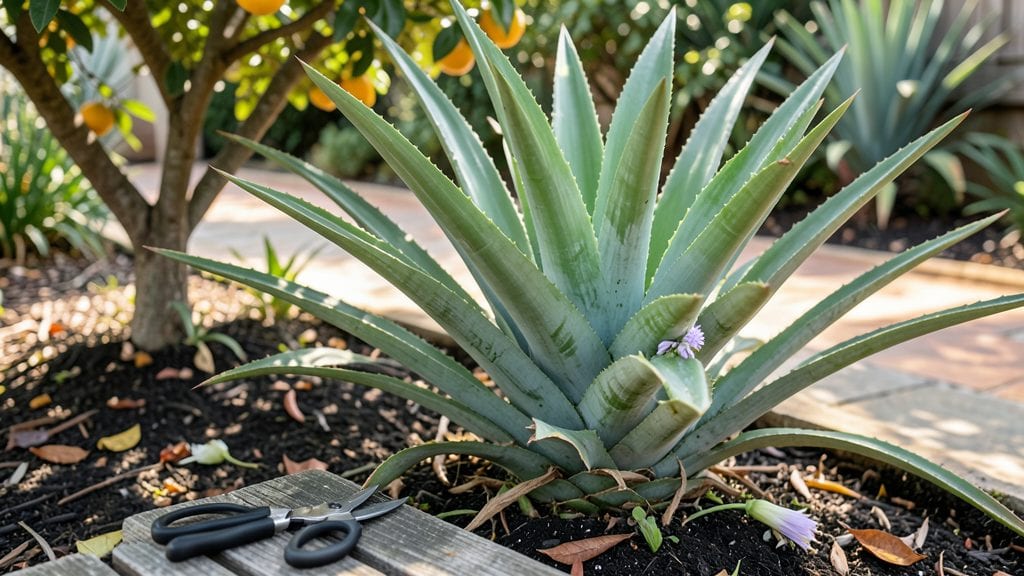
Pruning pineapple plants isn’t just about keeping them tidy—it’s the secret to unlocking year-round harvests and healthier growth. 🌱 I’ve learned that skipping this step means fewer fruits, weaker plants, and missed opportunities for propagation.
The right cuts at the right time can double your harvest and give you new plants for free.
You only need three things: clean pruners, a pair of gloves, and a sharp eye for the plant’s natural shape. The key is timing—prune after fruiting but before new growth slows, and always cut just above a healthy leaf base.
Sterilizing your tools between cuts prevents disease, and I’ve found that a quick dip in rubbing alcohol works perfectly.
Each trim serves a purpose: removing dead leaves clears energy for new growth, harvesting fruit encourages the plant to produce another, and cutting back old suckers prevents overcrowding. After pruning, keep the plant in bright, indirect light and water lightly until new shoots appear—usually within 2-4 weeks.
Here’s the best part: those cuttings you remove can root and grow into brand-new pineapple plants. I’ve propagated over a dozen this way, and it’s a game-changer for expanding your collection without spending a dime. Just place the cuttings in water or moist soil, and watch them take root.
📚 In This Guide
- What you need
- Instructions
- Tips and common mistakes
- Wrapping up and next steps
What you need
- ● Sharp pruning shears or bypass pruners – sterilized (70% isopropyl alcohol or bleach solution) to prevent disease. Size: 6–8 inches, with a bypass blade for clean cuts.
- ● Clean, sharp knife or razor blade – For precise cuts on smaller suckers or offsets. Use: Only on healthy tissue.
- ● Rubbing alcohol (70% isopropyl) or hydrogen peroxide (3%) – Quantity: Small bottle (8 oz) for sterilizing tools between cuts.
- ● Garden gloves – Type: Nitrile or latex-free (to avoid chemical reactions with sap). Why? Pineapple sap can irritate skin.
- ○ Pruning sealant (optional but recommended) – Type: Tree wound sealant (e.g., Tanglefoot Pruning Sealer) to prevent sap oozing and pests.
- ● Disposable containers or bags – Quantity: 2–3 (for collecting pruned suckers/offsets). Use: Sealable plastic bags or buckets with lids.
- ● Hose with spray nozzle or watering can – For rinsing tools and cleaning sap residue.
- ● Sunny, dry day – Avoid pruning after rain or in high humidity to reduce fungal risks.
- ● Weather forecast check – No rain predicted for 24–48 hours post-pruning.
- ○ Safety glasses (optional) – If working with large plants or using power tools (e.g., hedge trimmers for overgrown foliage).
- ● First-aid kit – Include antiseptic wipes and bandages (just in case of sap irritation).
- ● Compost bin or trash bag – For disposing of diseased or pest-infested plant parts.
- ● Wear long sleeves – Pineapple leaves have serrated edges that can scratch skin.
- ● Label pruned suckers – Use plant markers to track which offsets are ready for replanting.
- ● Disinfect tools between plants – Even if switching between healthy and sickly pineapples.
How to prune pineapple plants for continuous fruit production
Pineapple plants reward precise pruning with multiple harvests—here's how to keep yours thriving.
✂️ Step 1: Remove Old Fruit Stems After Harvest
After harvesting your pineapple, locate the long, dried stem where the fruit attached. Using clean, sharp pruning shears, cut this stem 1 inch above the plant’s crown—the circular base where leaves emerge. This prevents disease entry and redirects the plant’s energy toward new growth.
I always sterilize my shears with rubbing alcohol between cuts to avoid spreading pathogens. You’ll see fresh, vibrant leaves emerging from the center within 2-3 weeks—that’s your sign the plant is recovering well. Never cut into the crown itself; this is where new suckers (side shoots) will form.
🌿 Step 2: Prune Off Lower Leaves for Airflow
Once your pineapple plant reaches 18-24 inches tall, remove the bottom 4-6 leaves using your fingers or shears. These older leaves yellow and block airflow, creating ideal conditions for fungal diseases. Focus on leaves that are brown, brittle, or curling at the edges.
I like to pull leaves gently rather than cut them—this avoids damaging the plant’s stem. After trimming, you’ll notice the plant’s center looks more open and receives better sunlight. This step is especially critical in humid climates where stagnant air encourages rot. Repeat this every 3-4 months to maintain airflow.
🌱 Step 3: Harvest and Repurpose Suckers
Look for small shoots (suckers) growing from the base of the plant or along the stem. These are future pineapple plants! Use clean shears to cut suckers 1-2 inches below the base, ensuring each has a few leaves attached. The larger the sucker, the faster it’ll mature into a harvestable plant.
Here’s the thing—don’t rush to remove all suckers at once. Keeping 1-2 healthy suckers per plant ensures continuous fruit production while giving you new plants to propagate. Plant the cuttings in well-draining soil and keep them in bright, indirect light until roots form.
⏰ Step 4: Trim Flower Stems for Multiple Harvests
When your pineapple plant produces a flower spike, you have a choice: harvest it or prune it back. If you want multiple smaller fruits, cut the flower spike just above a leaf node—this encourages the plant to produce new spikes. If you prefer one large pineapple, leave it alone.
I’ve found that trimming flower spikes in early spring and late summer gives me 2-3 harvests per year instead of just one. Watch for new flower buds forming at the plant’s center—these are your clues to time the next trim. Always use sterilized tools to prevent infections during this process.
Tips & tricks for perfect pineapple pruning
These simple tricks will help you maximize your pineapple plant's potential and avoid common pruning mistakes that can stunt growth.
Tool Preparation: Sterilizing your pruning shears between cuts is absolutely critical—don't skip this! I use a 70% rubbing alcohol solution and wipe both blades thoroughly after each cut, especially when working with multiple plants. This prevents cross-contamination of diseases like bacterial leaf spot or fungal infections that can devastate your crop. For extra peace of mind, I keep a small bottle of alcohol right at my workstation while pruning.
Visual Growth Cues: In Step 1, when you see fresh leaves emerging from the center within 2-3 weeks after removing the old fruit stem, that's your plant's way of telling you it's happy and recovering well. Look for leaves that are vibrant green and stand upright—they should feel firm to the touch. If you notice yellowing or wilting, it might indicate stress from over-pruning or disease.
Seasonal Timing Strategy: The 3-4 month interval for leaf pruning in Step 2 works best when aligned with your plant's natural growth cycle. In warmer climates, aim for late spring and early fall when temperatures are moderate (65-85°F). In cooler regions, wait until after the last frost when new growth is most vigorous. I've found that plants pruned during these optimal windows recover faster and produce more suckers.
Sucker Selection: When harvesting suckers in Step 3, prioritize those growing from the base of the plant rather than along the stem. These basal suckers tend to mature faster and produce larger fruit. I look for suckers that are at least 4-6 inches tall with 3-4 healthy leaves—they'll establish roots more quickly in well-draining soil. Pro tip: Plant your cuttings in individual pots to monitor their progress before transplanting.
Pro Tips for Pruning Pineapple Plants
- These simple tricks will help you maximize your pineapple plant's potential and avoid common pruning mistakes that can stunt growth.
- Tool Preparation: Sterilizing your pruning shears between cuts is absolutely critical—don't skip this!
- Visual Growth Cues: In Step 1, when you see fresh leaves emerging from the center within 2-3 weeks after removing the old fruit stem, that's your plant's way of telling you it's happy and recovering well.
Frequently asked questions
Got questions about keeping your pineapple plants healthy and productive? Here are some of the most common concerns—and their answers—to help you prune like a pro!
When is the best time to prune pineapple plants?
The ideal time to prune pineapples is after they’ve fruited, typically 2–4 weeks post-harvest. This gives the plant energy to regrow. Avoid pruning during extreme heat or cold—aim for mild spring or fall weather for best results.
Do I need to sterilize my pruning tools?
Absolutely!
Sterilizing tools with rubbing alcohol or a 10% bleach solution prevents bacterial/fungal infections. Disinfect before and after pruning to keep your plants thriving and disease-free.
What if my pineapple plant doesn’t produce suckers?
Patience is key! Some varieties (like ‘Sugarloaf’) produce fewer suckers. Ensure your plant gets full sun (6+ hours/day), well-draining soil, and balanced fertilizer (10-10-10). If it’s still slow, check for pests or root rot.
Can I replant pineapple tops instead of pruning?
Yes! The crown (top) can be replanted to grow a new pineapple. Let it dry for 2–3 days, then plant in moist, well-draining soil. Prune the lower leaves to reduce rot risk—this method works but may take 18–24 months to fruit.
What do I do if my plant turns yellow after pruning?
Yellowing leaves often signal stress. Check for overwatering (pineapples hate soggy roots) or nutrient deficiency. Reduce watering, add a balanced fertilizer, and ensure airflow. If only a few leaves yellow, it’s usually normal regrowth!
Wrapping up and next steps
Pruning your pineapple plants isn’t just about keeping them tidy—it’s the secret to sweeter fruit, healthier growth, and year-round harvests! 🌱 By mastering the three key trims (removing dead leaves, suckers, and spent flower stalks), you’ll encourage stronger plants and bigger yields.
With the right tools and timing, you’re well on your way to a thriving pineapple patch.
Ready to level up your garden game? Start by applying these techniques to just one plant, observe the results, and gradually expand. Soon, you’ll be enjoying homegrown, tropical goodness—and maybe even sharing tips with fellow plant enthusiasts! 🌟