
Pruning
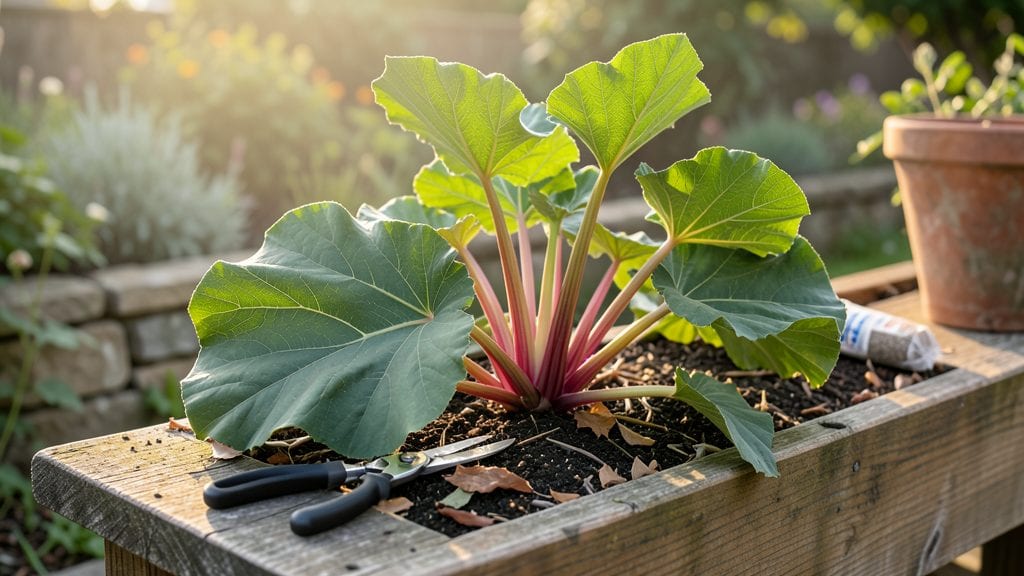
Trimming rhubarb plants in early spring isn’t just about tidying up—it’s the secret to bold, thick stalks and a harvest that lasts all season. 🌱 I’ve learned the hard way that skipping this step means smaller, tougher stalks and plants that struggle to recover.
The right cuts at the right time make all the difference between a handful of thin spears and a bushel of restaurant-quality stems.
You’ll need just three tools: sharp pruning shears, gloves (rhubarb leaves are toxic), and a bucket for the cut stalks. The key is patience—wait until the soil warms to 50°F and the stalks reach 12 inches tall before touching them.
Cut at a 45-degree angle, about an inch above the crown, and never take more than one-third of the stalks at once. This preserves the plant’s energy for bigger growth next time.
When done right, you’ll see thicker, sweeter stalks within weeks, and the plant will send out new growth faster than you can blink. The leaves stay lush, the roots stay strong, and you avoid the dreaded "rhubarb fatigue" that turns your garden into a tangled mess.
Plus, proper trimming keeps diseases like crown rot from creeping in—because nobody wants a plant that looks great but won’t produce.
This method works for perennial rhubarb in zones 3-8, whether you’re growing in full sun or partial shade. The only real mistake? Waiting too long or cutting too aggressively.
Stick to the one-third rule, and you’ll have rhubarb for pies, compotes, and jams for years to come. Let’s get those shears sharp and those stalks growing!
📚 In This Guide
- What you need
- Instructions
- Tips and common mistakes
- Wrapping up and next steps
What you need
- ● Pruning shears or secateurs: Sharp, bypass-style shears (4–6 inches long) for clean cuts. Disinfect with rubbing alcohol before and after use to prevent disease spread. 🔪
- ○ Gloves: Heavy-duty gardening gloves (waterproof, long-cuffed) to protect hands from thorns and sap. Optional: Nitrile gloves if you’re sensitive to rhubarb sap.
- ● Garden twine or plant ties: (5–10 feet) to secure stems if needed during regrowth.
- ● Compost or mulch: A 2–3 inch layer of well-aged compost or straw to replenish soil nutrients post-trimming.
- ● Watering can or hose: With a gentle spray nozzle to hydrate plants after pruning.
- ○ Notebook & pen: (Optional but helpful!) To track trimming dates and plant progress.
- ● Pruning saw: For stubborn, thick stems (rare in rhubarb but useful for older plants).
- ● Plant food (balanced fertilizer): 10-10-10 or organic options like fish emulsion to boost post-pruning growth.
- ● Knee pad or stool: For comfort if your rhubarb patch is sprawling!
- ● Disposable bags: To collect trimmed stems for composting or disposal.
Instructions for trimming rhubarb plants
Reviving your rhubarb patch takes just minutes—here’s how to cut back for bigger, healthier stems.
✂️ Step 1: Wait for the Right Time to Trim
Never cut rhubarb in fall or early spring—wait until late April or early May, when new shoots emerge but before the stalks start thickening. You’ll see fresh, vibrant green growth at the plant’s center; that’s your cue. If you trim too early, you risk damaging dormant buds.
Use clean, sharp pruners or shears to avoid crushing stems. I like to sterilize my tools with rubbing alcohol first—this prevents spreading crown rot or fungal diseases between plants. If you notice any blackened or mushy stems, remove those immediately and discard them far from the patch.
✂️ Step 2: Cut Back the Previous Year’s Growth
Slice through the old stalks at the base, leaving 1-2 inches of stubble above the soil line. This prevents rot while keeping the crown healthy. Avoid cutting too close to the ground—you’ll expose the crown to sunlight, which can scorch it. I always make a clean cut at a slight angle to reduce water pooling.
Remove all the cut stalks and compost them (unless diseased). Don’t leave old growth lying around—they’ll compete with new shoots for nutrients. After trimming, give the bed a light raking to clear debris and improve airflow. This step alone cuts down on slugs and mildew in my garden.
🌱 Step 3: Encourage New Growth with Fertilizer
Spread the 5-10-10 fertilizer evenly over the soil surface, focusing on the outer edges of the plant where new shoots will emerge. Lightly scratch it into the top ½ inch of soil with a rake. Rhubarb thrives in slightly acidic soil, so if your area has heavy clay, add a handful of peat moss to improve drainage.
Water deeply right after fertilizing—this helps the nutrients penetrate the soil. You’ll see new shoots appear within 2-3 weeks, and they’ll be thicker and more vibrant than before. Avoid overwatering now; rhubarb roots need time to establish after the trim. A good rule is to water only when the soil feels dry 2-3 inches down.
⏰ Step 4: Monitor and Protect Through Summer
Once new growth reaches 12-18 inches tall, you can start harvesting the thickest stalks. Always cut stems at the base, leaving the leaves intact—they feed the plant. Never remove more than ⅓ of the stalks at once, or you’ll stunt next year’s harvest.
Watch for Japanese beetles or aphids—they love rhubarb leaves. If you spot them, spray with soapy water (1 tablespoon mild dish soap per gallon of water). Mulch the bed with 2-3 inches of straw to retain moisture and suppress weeds. By late summer, your plants will be lush and ready for another season of harvests.
Tips & tricks for perfect rhubarb plant revival
Here's what I've learned from years of gardening—these tricks make all the difference for your rhubarb patch.
The Timing Secret: Late April or early May is your window because that's when rhubarb's dormant buds are waking up but haven't yet committed to rapid growth. I check for three things: fresh green shoots at the center, stalks that are still thin, and no sign of flowering stalks. If you see flower stalks, you've waited too long—they'll steal energy from your harvest. Confession: I skipped this step for years and wondered why my plants never recovered properly.
Cutting Technique: That 1-2 inch stubble left after cutting is crucial—it protects the crown from rot while allowing new growth to emerge. I make my cuts at a slight angle to prevent water from pooling at the base, which can cause rot. Don't use dull tools either; clean, sharp pruners make quick work and prevent crushing stems that can invite disease. Between us, I've ruined plants using dull shears that mashed the stems.
Fertilizer Focus: When you spread that 5-10-10 fertilizer, concentrate it on the outer edges where new shoots will emerge. I like to lightly scratch it into just the top ½ inch of soil—any deeper and it won't reach the roots where they need it most. Real talk: I've over-fertilized before, burning the roots and stunting growth for months.
Harvesting Wisdom: That ⅓ rule for harvesting is non-negotiable—if you take more than that, you'll weaken the plant for next year. I always harvest the thickest, most mature stalks first and leave the thinner ones to grow. You'll notice the remaining stalks get thicker and more productive over time if you follow this rule.
Pro Tips for Trim Rhubarb Plants
- Here's what I've learned from years of gardening—these tricks make all the difference for your rhubarb patch.
- The Timing Secret: Late April or early May is your window because that's when rhubarb's dormant buds are waking up but haven't yet committed to rapid growth.
- Cutting Technique: That 1-2 inch stubble left after cutting is crucial—it protects the crown from rot while allowing new growth to emerge.
Frequently asked questions
Got questions about trimming rhubarb plants? You’re not alone!
Whether you’re a first-time gardener or a seasoned green thumb, these answers will help you keep your rhubarb thriving. Let’s dive in!
When is the best time to trim rhubarb plants?
Trim rhubarb after the last frost in early spring (March–April in most zones) once new growth appears. Avoid cutting in fall or winter—this can stress the plant. For established plants, you can also trim lightly in late summer to encourage regrowth before dormancy.
How much of the rhubarb stalk can I cut?
Cut stalks 1–2 inches above the ground, leaving the crown intact. Never remove more than one-third of the stalks at a time. Over-trimming weakens the plant and reduces next year’s harvest. Think of it like a haircut—leave enough for regrowth!
What if my rhubarb plant looks sad after trimming?
If your rhubarb looks wilted or weak after trimming, it might need more nutrients or water. Apply a balanced fertilizer (like 10-10-10) and keep soil moist but not soggy. Yellow leaves? Check for overwatering or nutrient deficiency. Most plants bounce back in 2–3 weeks!
Can I use rhubarb leaves after trimming?
No—never eat rhubarb leaves!
They contain oxalic acid, which is toxic. Compost them instead. Stick to the stalks (the edible part) for pies, jams, or savory dishes. Pro tip: Freeze excess stalks for later use!
How long does it take for rhubarb to regrow after trimming?
With proper care, rhubarb regrows 4–6 weeks after trimming. New stalks will emerge from the center of the plant. If growth is slow, ensure it gets 6+ hours of sunlight daily and well-draining soil. Patience pays off—healthy plants reward you with bigger harvests!
Wrapping up and next steps
Trimming your rhubarb plants in spring isn’t just about tidying up—it’s the secret to bigger, healthier harvests and stronger growth for years to come! 🌱 By following these simple 3 steps, you’ll encourage vibrant stalks, prevent disease, and give your garden a head start for the season.
Now that you’re armed with the know-how, there’s no better time to roll up your sleeves and give your rhubarb the care it deserves.
Ready to transform your patch? Grab your pruners, mark your calendar for next spring, and enjoy the sweet rewards of your hard work. Happy gardening! 🌿