
Companion Plants
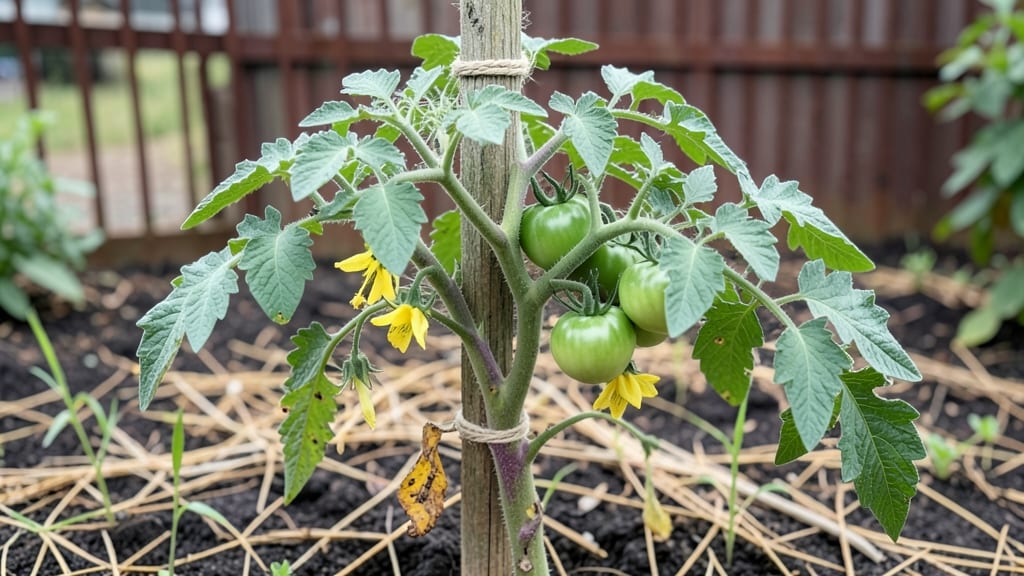
Training tomato plants is the secret to turning spindly vines into robust, fruit-laden powerhouses that make your neighbors jealous. 🌱 I spent years watching my tomatoes sprawl helplessly across the garden bed, until I discovered how a few strategic cuts and supports could transform their growth—doubling my harvest in just one season.
The key lies in understanding your tomato type: indeterminate varieties climb like vines and need regular pruning to focus energy on fruit, while determinate bushes stay compact and require less work.
You’ll need basic tools—a sharp pair of pruners, sturdy stakes or cages, and some twine—and about 20 minutes once a week during peak growth to keep things on track.
What you’ll end up with is plants that look like they belong in a botanical garden, not your backyard—thick stems, lush foliage, and clusters of sun-ripened fruit that practically beg to be picked.
The best part? You’ll avoid common pitfalls like blight-prone lower leaves and tangled vines that make harvesting a chore.
Works for both backyard gardeners and container growers—just adjust the support system to your space. Let’s get those vines trained like pros!
📚 In This Guide
- What you need
- Instructions
- Tips and common mistakes
- Wrapping up and next steps
What you need
- ● Tomato plants: 1–6 plants (depending on space; determinate or indeterminate varieties work best).
- ● Pruning shears: 1 pair (sterilized with rubbing alcohol to prevent disease).
- ● Garden twine or soft plant ties: 1–2 rolls (3–5mm width, biodegradable preferred).
- ● Stakes or cages: For indeterminate tomatoes: 5–6 ft wooden or metal stakes (1 per plant).
- ● For determinate tomatoes: 3–4 ft tomato cages (1–2 per plant).
- ● Gloves: 1 pair (nitrile or leather to protect from thorns and sap).
- ● Balanced fertilizer: 10-10-10 or organic option (e.g., compost or worm castings).
- ● Mulch: Straw, grass clippings, or shredded leaves (2–3 inches thick).
- ● Plant clips or twist ties: For securing vines without damaging stems.
- ● Growth regulator (e.g., B9 or seaweed extract): To encourage bushier growth (follow label instructions!).
- ● Reflective mulch: To deter pests and retain heat in cooler climates.
- ● Notebook or app: To track pruning dates and plant progress (e.g., Gardenize or PlantNet).
Step-by-Step guide to training tomato plants for maximum yield
Here’s how to coax those lanky vines into sturdy, productive bushes—no guesswork, just proven techniques.
🌱 Step 1: Identify Your Tomato Type and Set Up Support
Determine whether you’re growing indeterminate (vining, continuous producers) or determinate (bush, set-and-forget) varieties. Indeterminate tomatoes need cages, stakes, or trellises—I prefer 5-foot bamboo stakes for their strength and flexibility. Drive the stake 6 inches deep into the soil beside each plant, then loosely tie the main stem with soft plant ties (never wire—it cuts stems).
For determinate varieties, skip the stakes and let them grow naturally in 4-foot cages—their compact shape handles the weight. The key here is early support: wait until the plant reaches 12 inches tall before securing it, or you’ll risk snapping stems when winds hit.
✂️ Step 2: Prune for Airflow and Fruit Production
Start pruning when the plant hits 2-3 feet tall. Remove suckers—those tiny shoots growing in the V-shaped junction between the main stem and branches—using clean pruning shears. Leave only 1-2 suckers per plant if you’re growing for heirloom varieties (they benefit from bushier growth), but pinch all suckers for commercial slicers to focus energy on fruit. I prune on dry mornings to reduce disease risk from open wounds.
Next, trim any branches growing downward or inward. These steal energy and block sunlight. Aim for a balanced canopy—think of it like sculpting a tree. You’ll know you’re doing it right when the plant’s central stem remains thick and leaves are evenly spaced along branches.
☀️ Step 3: Train Vines Upward for Optimal Sun Exposure
As indeterminate vines grow, weave them gently through the cage or stake, securing them with soft ties every 12 inches. This prevents breakage and ensures even light distribution. Avoid wrapping ties too tightly—they’ll girdle the stem as it thickens. I check ties weekly and adjust as the plant grows, using finger pressure to test for snugness.
For staked tomatoes, let the main stem grow vertically until it reaches the top of the stake, then pinch the growing tip to encourage lateral branching. This creates a bushier frame that supports more fruit clusters. Watch for yellowing leaves at the bottom—this signals the plant is ready for a light pruning to redirect energy upward.
💧 Step 4: Balance Watering and Pruning for Stress-Free Growth
Water deeply at the base every 2-3 days during fruiting, but reduce frequency if you notice blossom end rot (crater-like indentations on fruit). Prune aggressively 2 weeks before harvest to let remaining fruit ripen without competition. I always mulch with 2 inches of straw to retain moisture and deter weeds—this keeps roots cool and reduces the need for frequent watering.
Stop pruning 4-6 weeks before your first frost. At this point, the plant’s energy shifts to ripening existing fruit, and new growth won’t mature in time. You’ll know you’ve timed it right when green tomatoes turn pink and the plant’s leaves start yellowing naturally from the bottom up.
⏰ Step 5: Harvest and Prepare for Next Season
Pick tomatoes when they’re fully colored (red, yellow, or whatever your variety’s mature hue) and slightly soft to the touch. Twist gently to avoid damaging the stem. For heirloom varieties, I leave a few overripe tomatoes on the vine—they’ll sweeten further and attract pollinators. After harvest, prune the entire plant to 6 inches tall, compost the healthy stems, and sterilize your tools with rubbing alcohol for next year.
This is the moment that matters: save seeds from your best-performing plants. Slice open a ripe tomato, scoop out the gel with seeds, and ferment it in a jar for 3-5 days to separate viable seeds. Rinse, dry, and store in an envelope labeled with the variety and harvest date. You’ll thank yourself next spring when you’re growing true-to-type plants from your own seed stock.
Tips & tricks for training tomato plants like a pro
These battle-tested techniques will transform your tomato plants from rambling vines into productive powerhouses—without sacrificing flavor or yield.
Support System Secrets: In Step 1, the 6-inch depth for stakes is non-negotiable—shallow stakes wobble in wind and snap when vines get heavy. I've seen indeterminate plants topple when stakes were only 3 inches deep. For extra stability, especially in windy areas, add a second stake at a 45-degree angle from the first. This creates a triangle support that handles 10-pound tomato clusters without bending.
Pruning Precision: When you reach Step 2 and start removing suckers, focus on the angle of the shoot—anything growing at a 45-degree angle or steeper from the main stem is a sucker. I use my thumbnail to gently nudge the shoot downward before pinching; this prevents tearing the stem. For heirloom varieties, leave those 1-2 suckers on the lower third of the plant only—they'll create a bushier base without stealing energy from fruit production.
Tie-Tight Technique: The 12-inch spacing for ties in Step 3 might seem arbitrary, but it's based on vine growth patterns. Ties should be snug enough to prevent flopping (test with finger pressure—you should feel slight resistance), but loose enough to allow the stem to thicken over time. I use old T-shirts cut into strips—they stretch as the plant grows without cutting into the stem. Replace ties every 2-3 weeks as the plant outgrows them.
Frost Timing: That 4-6 week window before frost in Step 4 is your final chance to redirect energy. I've learned the hard way that continuing to prune after the first frost can actually reduce yield—new growth won't mature before cold sets in. Look for the "two-thirds rule": when two-thirds of your plant's leaves have turned yellow from the bottom up, it's time to stop pruning entirely and let all energy go into ripening fruit.
Pro Tips for Training Tomato Plants
- These battle-tested techniques will transform your tomato plants from rambling vines into productive powerhouses—without sacrificing flavor or yield.
- Support System Secrets: In Step 1, the 6-inch depth for stakes is non-negotiable—shallow stakes wobble in wind and snap when vines get heavy.
- Pruning Precision: When you reach Step 2 and start removing suckers, focus on the angle of the shoot—anything growing at a 45-degree angle or steeper from the main stem is a sucker.
Frequently asked questions
Got questions about training your tomato plants? You’re not alone—gardeners often wonder about the best techniques, timing, and how to troubleshoot common issues. Here are answers to the most to help you grow thriving, productive tomato vines!
When is the best time to start pruning tomato plants?
Prune your tomato plants after they’ve established 3–4 main stems (about 12–18 inches tall). For indeterminate varieties, prune regularly throughout the growing season to encourage airflow and fruit production. For determinate (bush) tomatoes, minimal pruning is needed—just remove suckers if desired. Pro tip: Avoid heavy pruning too early, as young plants need all their energy to grow!
How do I know if I’m pruning correctly?
Correct pruning removes suckers (the small shoots that grow between the main stem and branches) but leaves the first leaf cluster intact. Focus on keeping 3–5 main stems for indeterminate tomatoes, and avoid cutting into the main stem. If you see yellowing leaves or stunted growth, you may be over-pruning—stop and let the plant recover!
Will pruning tomato plants reduce my yield?
Not if done right! Pruning actually boosts yield by directing energy to fewer, stronger stems and fruit clusters. However, over-pruning (especially on determinate varieties) can stress the plant and reduce production. Key rule: Never remove more than 1/3 of the plant’s foliage at once, and always leave enough leaves to photosynthesize.
Can I prune tomato plants in hot or cold weather?
Avoid pruning during extreme heat (above 90°F) or cold snaps (below 50°F), as it stresses the plant. Best times: Early morning or late afternoon on mild days (60–75°F). If you must prune in heat, do it gradually to prevent shock. In cold climates, wait until nighttime temps stay above 55°F for a few days first.
What if my tomato plant looks sad after pruning?
Don’t panic! A little wilting or slow growth is normal. To help your plant recover:
- Water deeply but avoid overwatering.
- Fertilize lightly with a balanced fertilizer (10-10-10).
- Provide shade for a day or two if it’s hot.
- Monitor for pests, which may take advantage of stressed plants.
Wrapping up and next steps
Training your tomato plants is a rewarding way to boost yields and keep your garden thriving! 🌱 By mastering pruning techniques, staking, and trellising, you’ll encourage healthier vines and juicier fruit—all while saving time and effort.
Whether you’re a seasoned gardener or just starting, every snip and tie brings you closer to a bountiful harvest.
Ready to put your new skills to work? Start with just one plant this season—experiment with different methods, observe what works best, and soon you’ll be a tomato-training pro! Happy gardening! 🌿